Shop horse girths at iRide EQ. Featuring anatomical dressage girths, stud guards, and fleece-lined girths from Equifit, Belle Equestrian, Jump'In, and Toptac International Ltd, our collection distributes girth pressure evenly while maximizing shoulder freedom across Australian arenas.
Quick Answer: Choosing the right girth is essential for saddle security, ribcage expansion, and elbow freedom. Explore short dressage girths, anatomical jumping girths, and belly-shield stud girths engineered with shock-absorbing foam and double-elastic roller buckles with fast local shipping across Australia.
Anatomical Dressage Girths, Stud Guards, and Elastic Jumping Girths
A girth is far more than a strap holding your saddle in place; it directly influences your horse's breathing efficiency, stride length, and shoulder rotation. Standard narrow girths exert peak pressure over a small area directly behind the elbow joint, causing muscle soreness, girthed-up tension, and gait restriction. Anatomically shaped girths cut back behind the elbows and widened across the sternum distribute pressure evenly over the broad pectoral muscles, allowing full lung expansion and smooth front-leg extension.
iRide EQ offers an extensive selection of girths from premier equestrian manufacturers including Equifit, Belle Equestrian, Jump'In, and Toptac International Ltd. Combining Italian leathercraft, memory foam padding, and durable stainless steel roller buckles, our range covers short dressage girths, long jump girths, stud guards, and detachable sheepskin linings suited to Australian competition standards.
Quick Facts
Best ForPressure relief, elbow clearance, saddle stability, sensitive skin
TypesShort dressage, long jump, stud guard, fleece-lined, synthetic
Featured BrandsEquifit, Belle Equestrian, Jump'In, Toptac
DispatchFast Australian local shipping
Comparing Girth Styles, Materials, and Discipline Applications
Selecting the right girth requires matching girth length to your saddle's billet style and considering material breathability, padding density, and discipline requirements. The table below breaks down short vs long girths across leather, synthetic, and fleece-lined options.
Dressage Girths vs Jumping Girths: Understanding the Differences
Short Dressage Girths and Long Billet Positioning
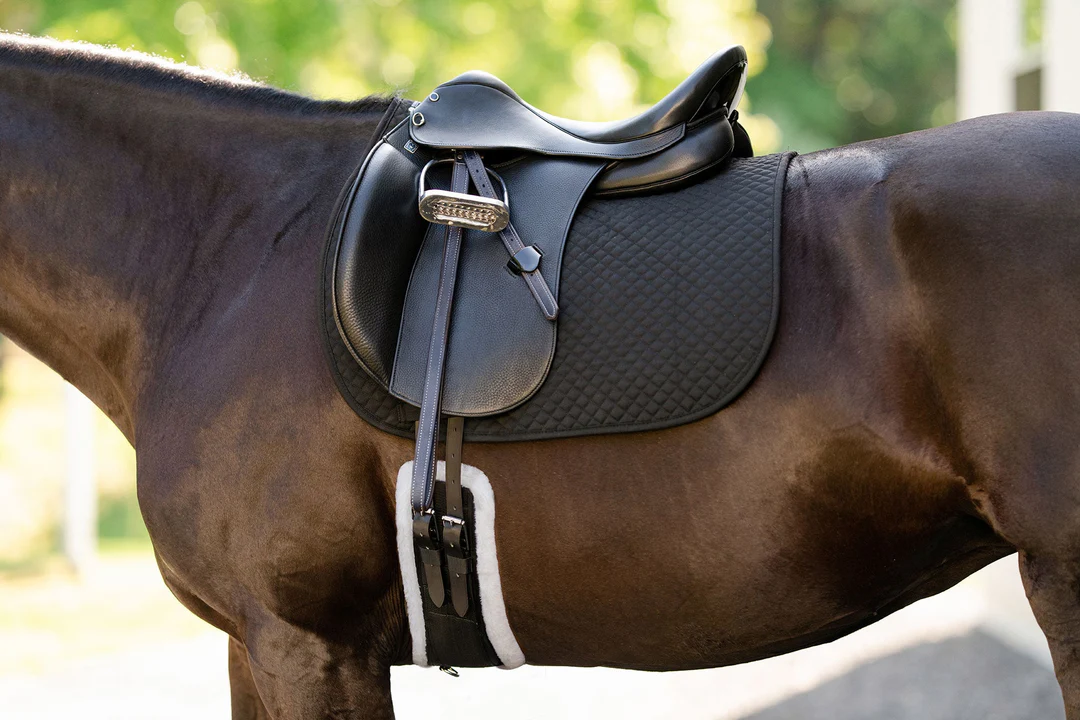
Dressage saddles feature long girth billets that extend down past the bottom edge of the saddle flaps. This design requires a short girth (typically 20" to 32") so the metal girth buckles sit well below the rider's leg, eliminating bulk under the thigh. A properly fitted dressage girth should buckle high enough on the billets to clear the movement of the horse's elbow while keeping buckles clear of the lower flap edge.
Long Jumping Girths and Stud Shield Protection
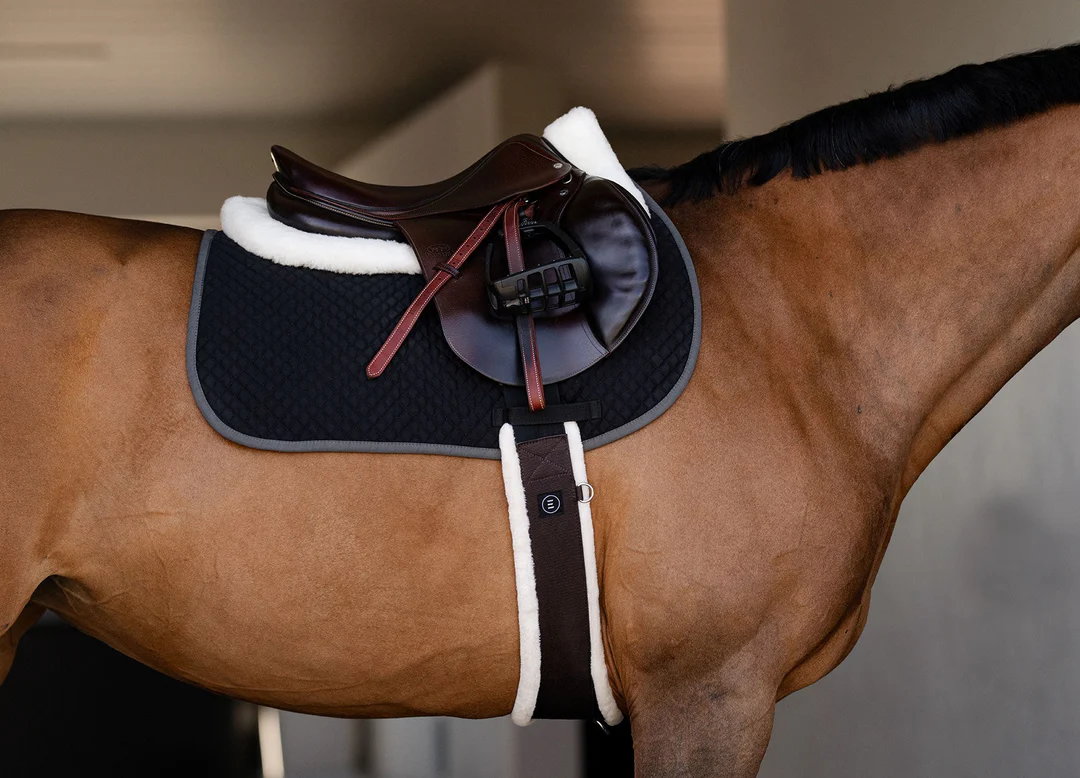
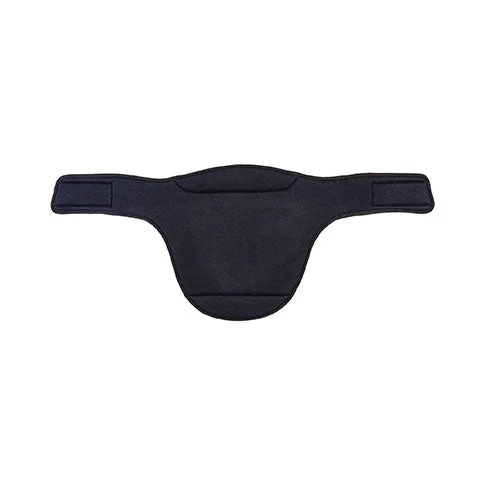
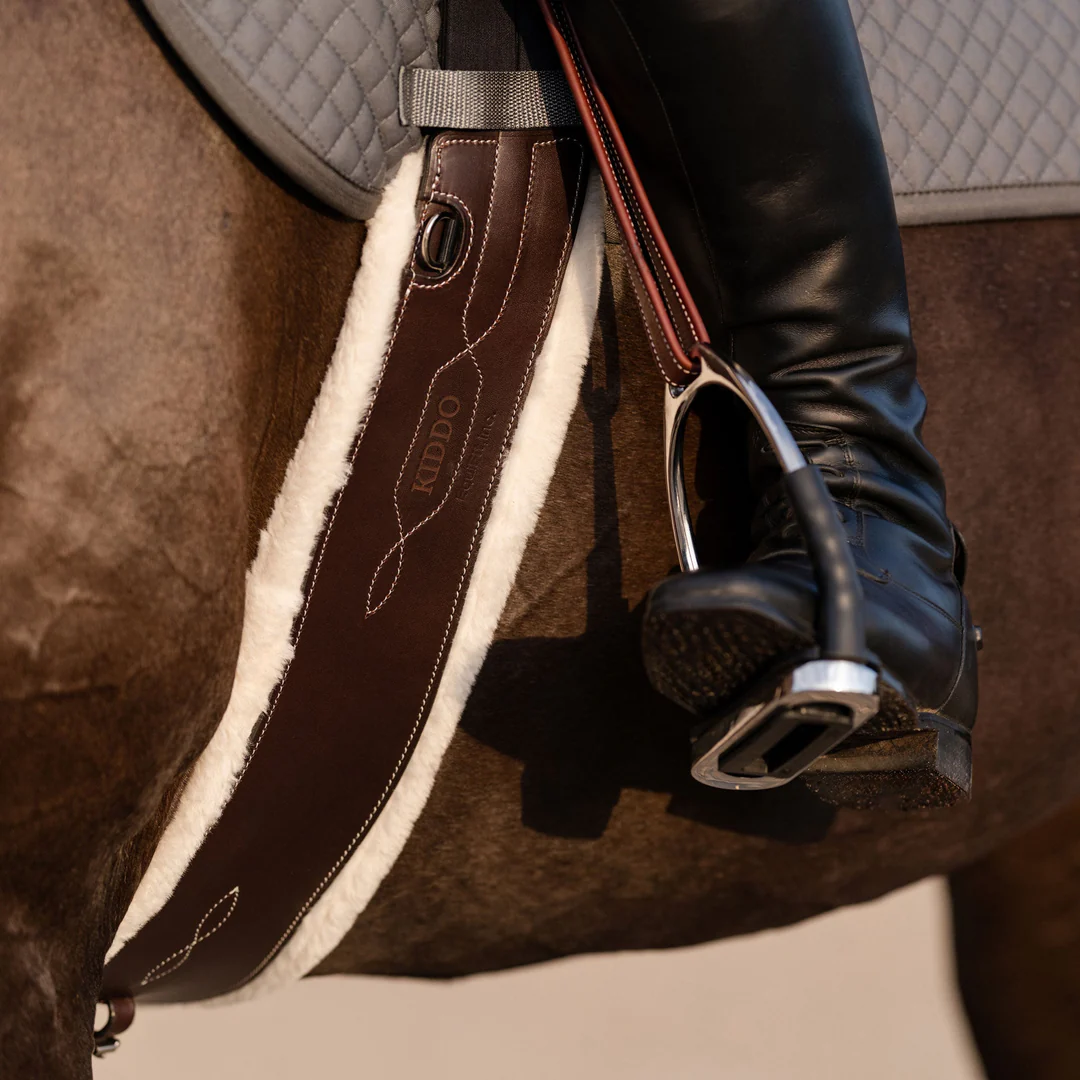
Jumping saddles feature short billets located under the saddle flap, requiring a long girth (typically 44" to 56"). In show jumping and cross-country eventing, horses snap their front legs high toward their chest over large fences, creating a risk that horseshoe studs could strike the belly. Stud guard (apron) girths feature a wide leather belly shield that absorbs these impacts, protecting sensitive skin from injury.
Material Considerations: Leather, Synthetic, and Fleece-Lined
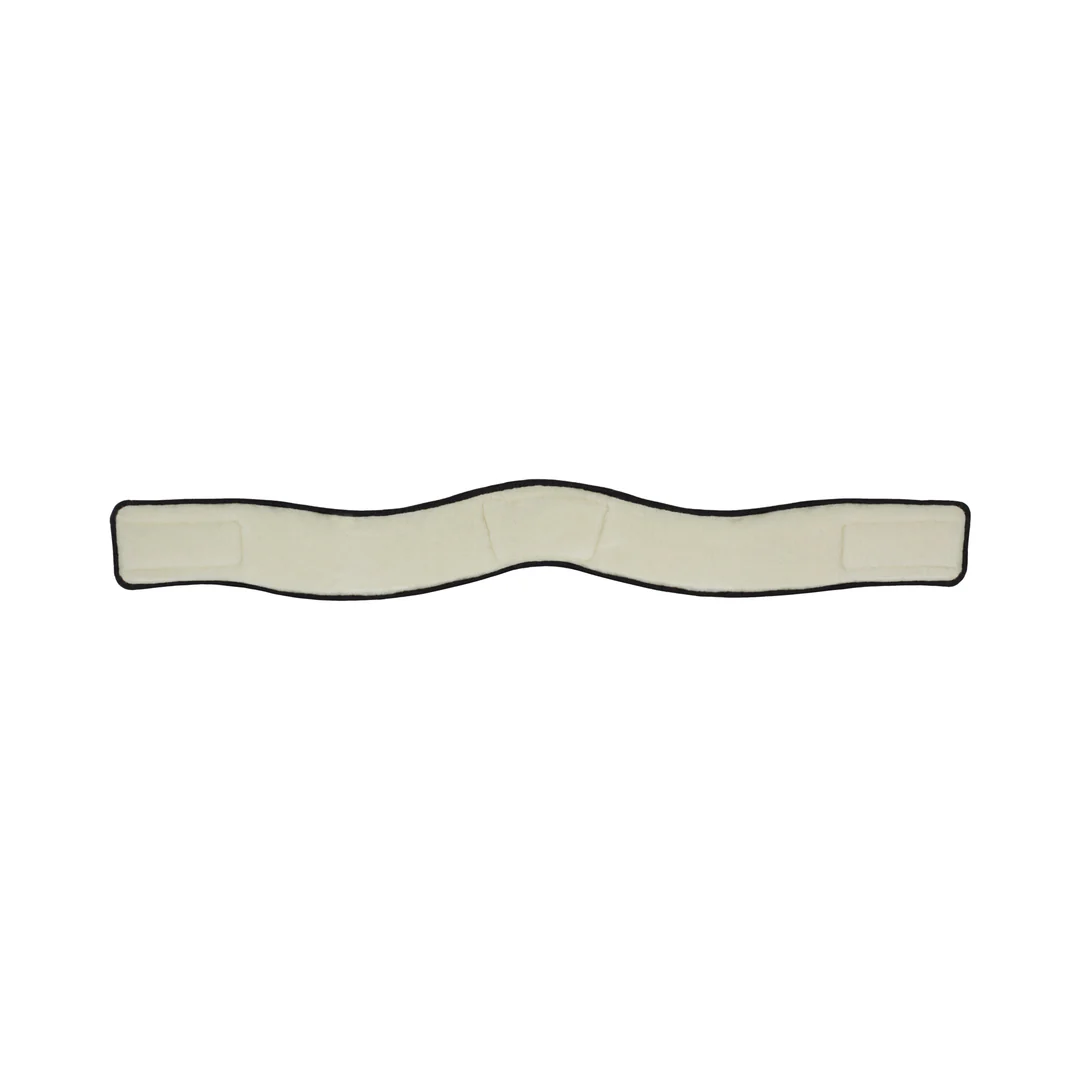
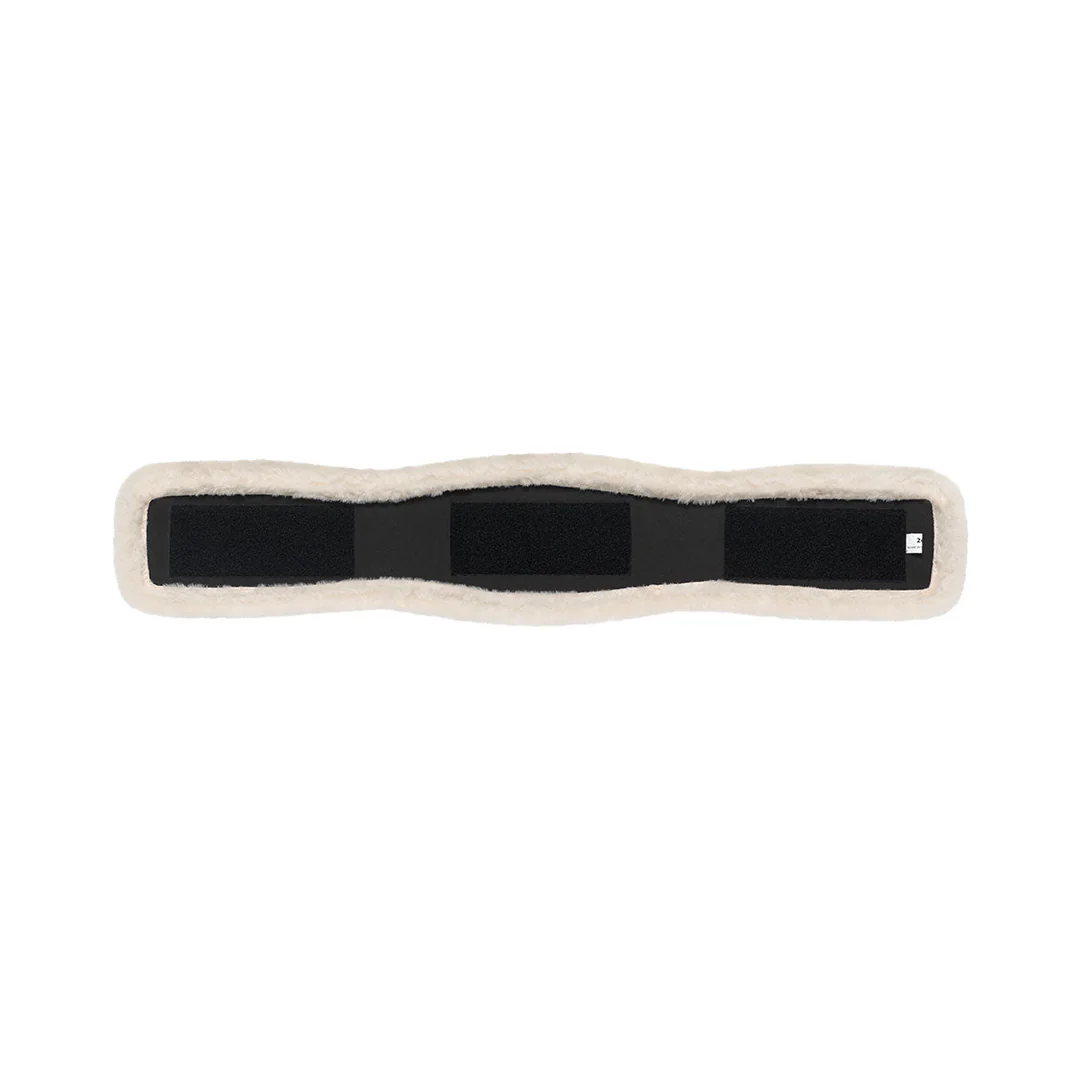
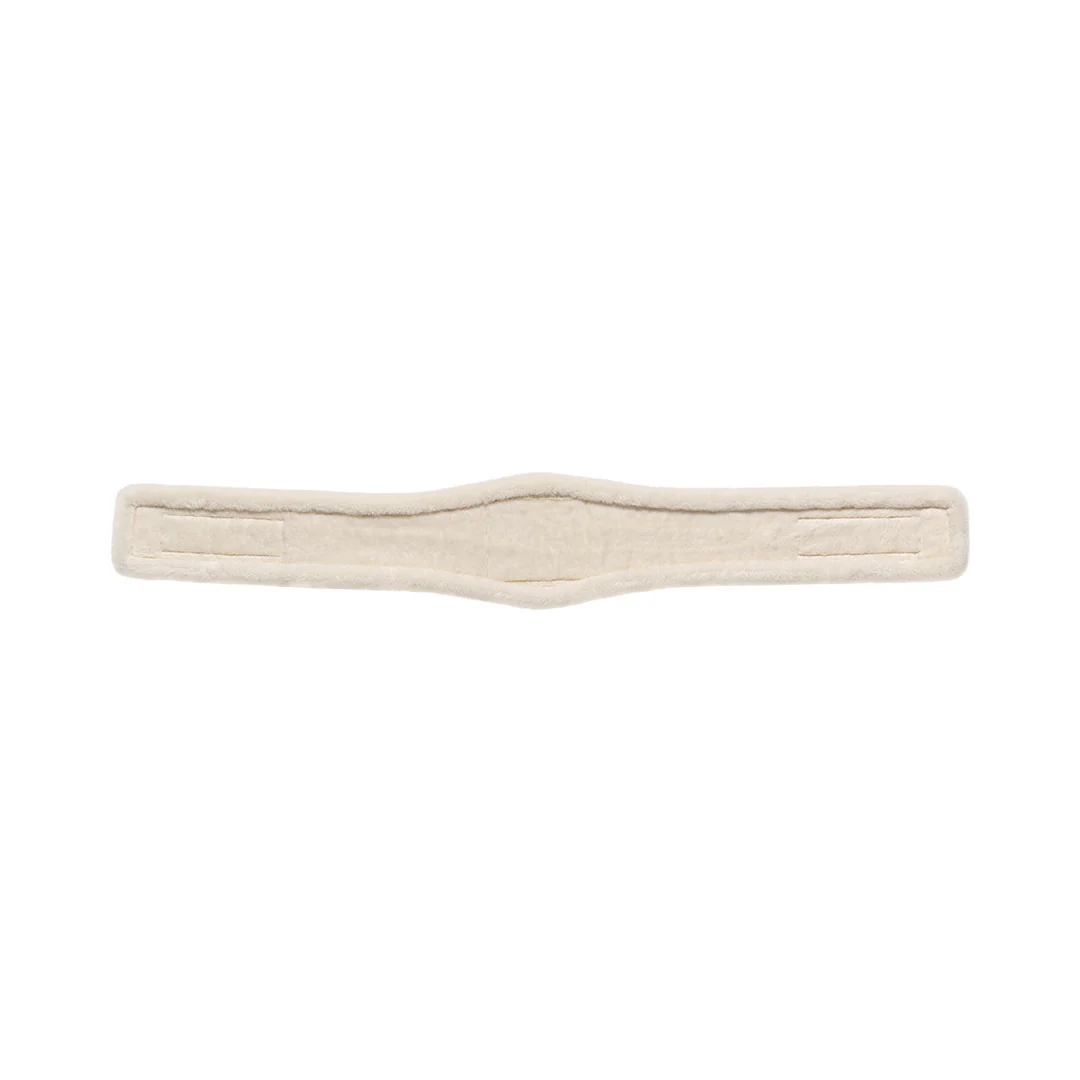
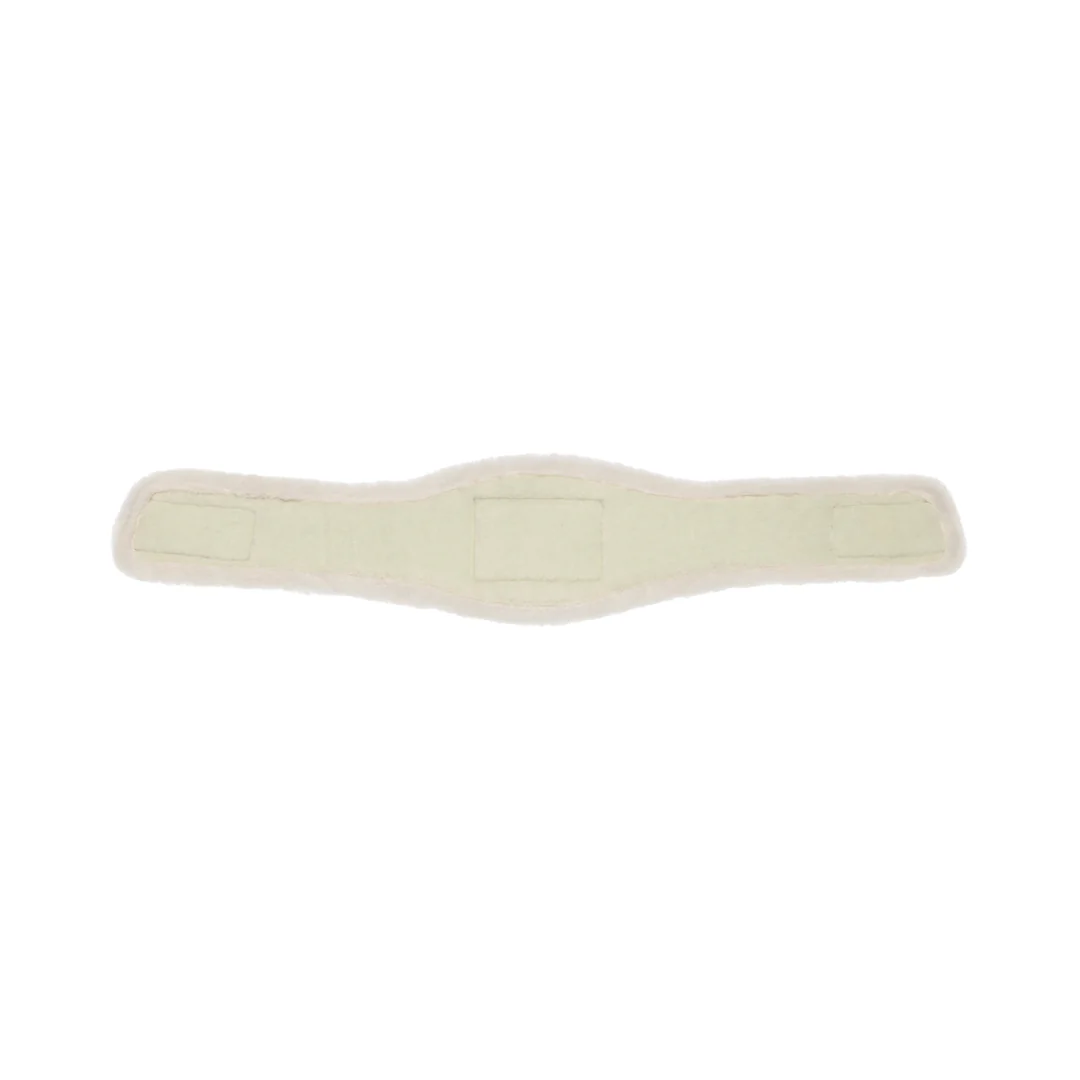
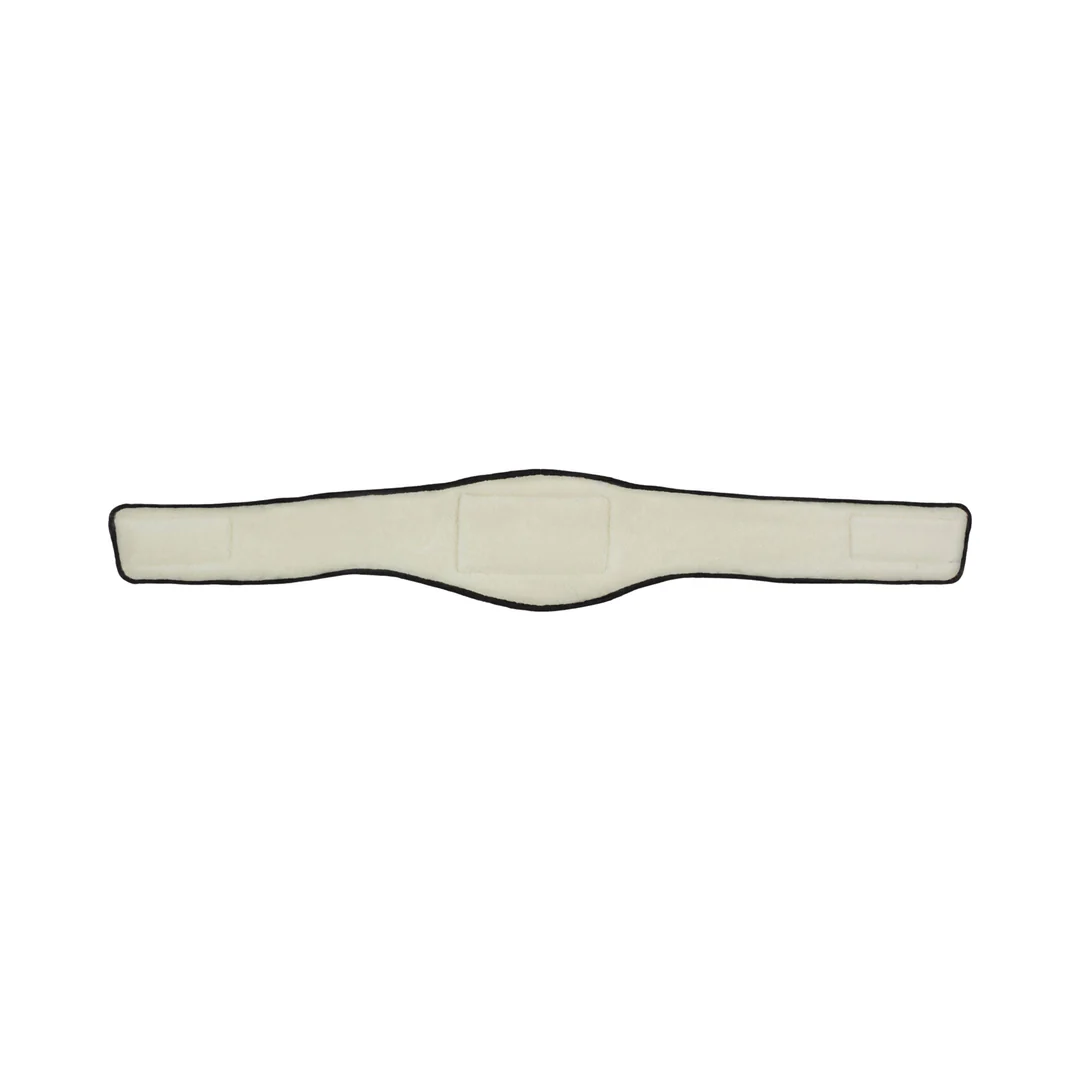
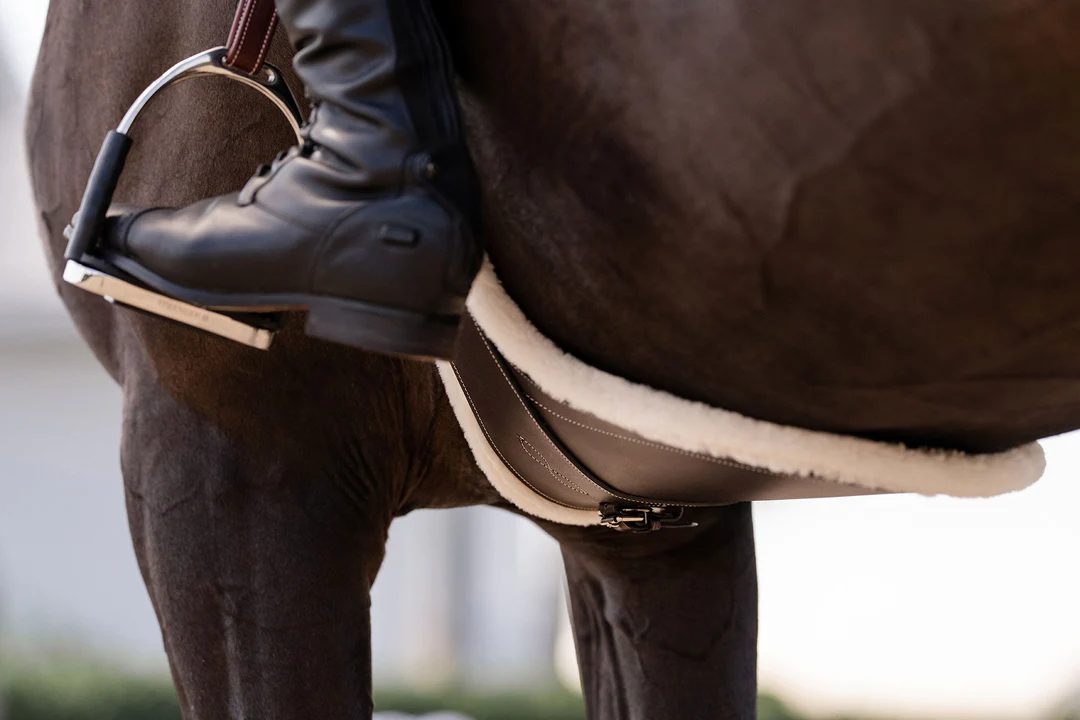
Leather girths offer classic durability, breathing naturally and molding over time to the horse's barrel contour. Technical synthetic girths, such as those made with EverLeather or waffle neoprene, provide water resistance and can be hosed clean in seconds after sweaty rides. For thin-skinned horses prone to girth galls, fleece-lined girths provide shear-strain relief and absorb sweat efficiently.
Sizing and Fitting Guidelines for Horse Girths
Measuring for a girth requires checking the distance between billet holes with the saddle positioned correctly on your horse's back. For long jumping girths, measure from the middle billet hole on one side, around the barrel behind the elbow, to the middle billet hole on the opposite side. For short dressage girths, leave approximately 10 to 15cm of billet strap below the buckle guard on each side so buckles sit well above the elbow joint. Ensure elastic ends are built into both sides of the girth to distribute tension evenly.
Girth Care and Maintenance
Leather girths should be wiped clean of sweat lather after every ride with a damp sponge and glycerine soap, then conditioned with leather balm. For synthetic and fleece-lined girths, detach fleece linings and machine wash on a cold delicate cycle. Routinely check double-ply elastic straps and stainless steel roller buckles for mechanical integrity.
Brands We Stock
iRide EQ offers horse girths from elite international and Australian manufacturers:
Equifit — Advanced EverLeather, Impakt foam, and anatomical pressure-relieving girths.
Belle Equestrian — Soft leather anatomical dressage girths with gel-padded linings.
Jump'In — Fine French leather stud guard jumping girths and anatomical short girths.
Our girths feature wide sternum plates and elbow cut-outs engineered for maximum freedom of motion.
Discipline-Specific Selection
We stock specialized short dressage, long jump, stud guard, and fleece schooling girths.
Fast Australian Shipping
All items ship directly from our Australian warehouse with reliable door-to-door tracking.
Flexible Payment Choices
Enjoy convenient shopping using flexible options like Afterpay, Zip, Apple Pay, and credit cards.
Frequently Asked Questions
How do I measure my horse for a new dressage girth?
Saddle your horse, measure from the second or third hole from the bottom of the left billet, under the barrel behind the elbow, to the same hole on the right billet. Convert centimeters to inches.
Why should a jumping girth have elastic on both ends?
Double-sided elastic allows symmetrical tension distribution and allows the horse's rib cage to expand naturally when breathing during heavy jumping or galloping exertion.
What is the purpose of a stud guard girth?
A stud guard girth features a wide leather apron that shields the horse's belly from strikes by horseshoe studs when front legs fold tightly over large jumps.
How do fleece girths help horses with sensitive skin?
Soft natural or synthetic fleece wicks away sweat lather and reduces friction, preventing painful skin rubbing and girth galls in horses with delicate coats.
How high should a short dressage girth buckle sit?
The top of the girth buckle should sit approximately 10 to 15 cm below the bottom edge of the saddle flap, well clear of the sensitive elbow movement zone.
How do I clean an Equifit EverLeather girth?
Wipe EverLeather girths clean with a damp cloth or rinse with water. They are scratch-resistant, weather-proof, and do not require oiling like traditional leather.