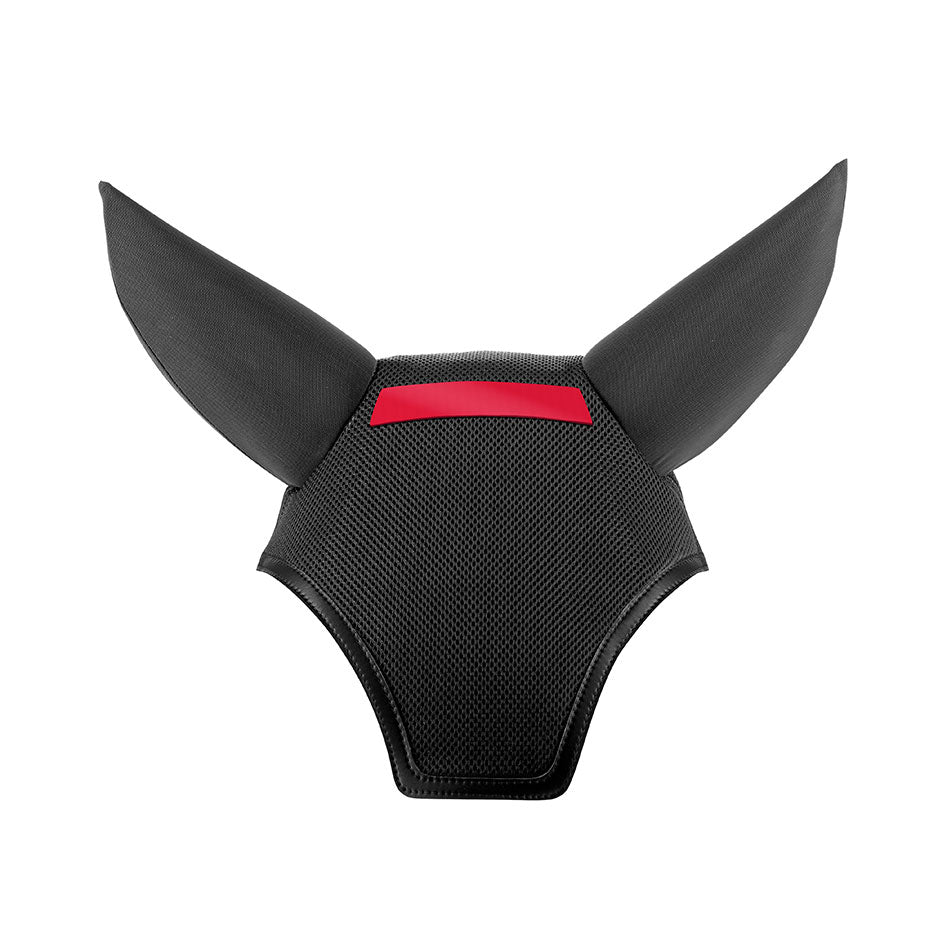
Quick Answer: Ear bonnets protect your horse from flies, dust, and loud noises during riding and competition. Crocheted cotton bonnets suit everyday schooling in Australian summers, while padded show bonnets with noise-dampening ear covers are ideal for competition. Match your bonnet colour to your saddle pad and polo wraps for a coordinated show-day look. Shop our range with fast local shipping.
Fly Protection, Noise Reduction and Show Turnout for Australian Horses
Australian summers bring swarms of bush flies and march flies that distract horses during work. A well-fitted ear bonnet keeps insects out of the ears while allowing airflow through the crochet weave. Lady Godiva Equestrian bonnets are hand-crocheted from breathable cotton that wicks sweat and stays comfortable in 35-degree-plus heat. For competition, Equifit offers padded styles with sculpted ear covers that reduce arena noise without muffling sound entirely.
Beyond fly protection, ear bonnets serve a turnout function — a crisp white or colour-matched bonnet completes the show-day look alongside your saddle pad and competition wear. Many Australian dressage riders coordinate their bonnet, saddle pad, and polo wraps for a polished presentation. Noise-reducing bonnets have also gained popularity for young or sensitive horses that spook at arena noise, clapping, or traffic.
Quick Facts
Best ForFly protection, noise reduction, show turnout
DisciplinesDressage, show jumping, eventing, everyday riding
Top BrandsLady Godiva Equestrian, Equifit, Eloquence Equestrian, Freejump
Ships FromAustralia — fast local delivery
Ear Bonnet Types Compared
Different ear bonnet styles serve different needs. Here’s how they compare:
Feature
Crocheted Cotton
Padded Show
Noise-Reducing
Fly Protection
Excellent — open weave
Good — covers ears
Excellent — sealed ears
Noise Reduction
Minimal
Low — light padding
High — foam or gel lining
Breathability
Excellent
Good
Moderate — ears covered
Best Use
Everyday schooling, summer
Show day, competition
Sensitive horses, noisy venues
Care
Machine washable
Hand wash, air dry
Hand wash, reshape ears
Choosing the Right Ear Bonnet Style
Selecting the right ear bonnet depends on your horse’s needs — fly protection, noise sensitivity, or show turnout.
Crocheted Cotton Bonnets
The classic crocheted cotton bonnet is the everyday workhorse — lightweight, breathable, and machine washable. The open weave allows airflow while keeping flies out of the ear canal. Lady Godiva Equestrian crocheted bonnets feature tight, even stitching that holds shape through repeated washing. For Australian summers, cotton is the most comfortable material — synthetic alternatives trap heat.
Padded Show Bonnets
Padded show bonnets have a shaped, slightly raised crown with fitted ear covers. They’re designed for turnout rather than heavy fly protection. Eloquence Equestrian makes padded bonnets in competition colours that coordinate with saddle pads and show jackets. Hand wash and reshape after each use to maintain the structured appearance.
Noise-Reducing Bonnets
Noise-reducing bonnets feature foam or gel lining inside the ear covers to dampen arena noise. They suit sensitive horses, young horses at their first competitions, or horses that react to clapping and PA systems. Freejump offers noise-reducing designs that mould to the ear shape without fully blocking sound — the horse can still hear the rider but is less startled by sudden noise.
Sizing, Fit and Colour Matching
A correctly fitted ear bonnet stays in place during work without rubbing or slipping.
Sizing Guide
Ear bonnets come in pony, cob, and full sizes. Measure from the base of one ear, over the poll, to the base of the other ear. The bonnet should cover the entire ear opening without pinching. Equidae/Sixteen Cypress offers multi-size options to fit everything from Welsh ponies to warmbloods. A loose bonnet slips during work; a tight one rubs behind the ears.
Colour Matching for Show Day
For a coordinated show-day look, match your ear bonnet colour to your saddle pad and polo wraps. White and cream are traditional for dressage, while navy, burgundy, and forest green are popular in show jumping. Equifit offers bonnets in a range of competition colours that pair perfectly with their saddle pad collection.
When to Replace an Ear Bonnet
Replace ear bonnets when the crochet stretches out of shape, elastic fades, or ear covers thin. A stretched bonnet slips during work and fails to protect the ears. With regular washing and proper storage, a quality cotton bonnet lasts one to two seasons of daily use; padded show bonnets may last longer with careful hand washing.
Fitting Guide and Common Issues
The ear bonnet should sit snugly behind the ears without pinching. The front edge should sit just below the browband of your bridle, and the two ties should fasten securely around the throatlash. If the bonnet slips forward during work, it’s either too large or the ties are too loose. For horses with prominent ears, look for bonnets with deeper ear cups — Freejump designs accommodate a range of ear shapes.
A common issue in Australian summers is sweat build-up under padded or noise-reducing bonnets. If your horse sweats heavily, choose a crocheted cotton style for schooling and save padded bonnets for show day. Never leave a wet bonnet on a horse after work — remove it promptly to allow the ears to dry and prevent skin irritation.
Washing and Care
Crocheted cotton bonnets can be machine washed on a gentle cycle in cool water with mild detergent. Reshape and air dry — never tumble dry as heat shrinks cotton. Padded and noise-reducing bonnets should be hand washed in cool water, gently squeezed (not wrung), and reshaped before air drying. Lady Godiva Equestrian bonnets hold their shape well through repeated washing when cared for correctly.
Store ear bonnets flat in a tack box away from direct sunlight. Avoid folding padded bonnets tightly as this creases the shaping. Keep multiple bonnets on rotation so each has time to dry fully between rides. Inspect elastic ties regularly for stretching or fraying and replace before they break during competition.
Brands We Stock
We stock ear bonnets from brands chosen for Australian conditions and competition turnout:
Lady Godiva Equestrian — Hand-crocheted cotton fly veils in standard and competition colours, built for Australian summers.
Equifit — Padded show bonnets with sculpted ear covers and coordinated colour ranges for competition turnout.
Eloquence Equestrian — Padded competition ear bonnets in dressage and show jumping colour palettes.
Freejump — Noise-reducing ear bonnets with moulded foam lining for sensitive and young horses.
Equidae/Sixteen Cypress — Multi-size ear bonnets from pony to full, with cotton and padded options for everyday and show use.
Why Shop Ear Bonnets at iRide EQ?
Australian Fly Protection
Crocheted cotton bonnets keep bush flies and march flies out of your horse’s ears during Australian summer riding — the open weave allows airflow while blocking insects.
Noise Reduction Options
Foam-lined noise-reducing bonnets help sensitive or young horses cope with arena noise, clapping, and PA systems at competitions without fully blocking sound.
Competition Turnout
Colour-matched bonnets coordinate with saddle pads and polo wraps for a polished show-day presentation.
All Sizes Stocked
From pony to full size, our range fits Welsh ponies through to warmbloods with secure, comfortable sizing that stays put during work.
Frequently Asked Questions
Do ear bonnets help with flies?
Yes. Crocheted cotton bonnets are highly effective at keeping bush flies and march flies out of your horse’s ears during Australian summer riding. The open weave allows airflow while blocking insects from entering the ear canal.
Can I wear an ear bonnet in EA dressage competitions?
Yes. EA dressage rules permit ear bonnets provided they do not include noise-cancelling devices or ear plugs. Standard crocheted and padded bonnets are widely accepted. Check current EA rules for any updates before competing.
How do I wash an ear bonnet?
Crocheted cotton bonnets can be machine washed on a gentle cycle in cool water. Padded and noise-reducing bonnets should be hand washed, gently squeezed, reshaped, and air dried. Never tumble dry — heat shrinks cotton and damages foam lining.
What size ear bonnet do I need?
Ear bonnets come in pony, cob, and full sizes. Measure from the base of one ear, over the poll, to the base of the other ear. The bonnet should cover the ear opening without pinching. When in doubt, size up rather than down.
Do noise-reducing bonnets block all sound?
No. Quality noise-reducing bonnets like those from Freejump dampen sudden and loud noises without fully blocking sound. Your horse can still hear your aids and surrounding environment — the bonnet simply softens sharp noises that might cause spooking.
Should my ear bonnet match my saddle pad?
For competition turnout, coordinating your ear bonnet with your saddle pad and polo wraps creates a polished, professional look. White and cream are traditional for dressage; navy, burgundy, and green are popular for show jumping.
Can ear bonnets be worn with any bridle?
Yes. Ear bonnets sit behind the ears and fasten around the throatlash of any standard bridle. They work with dressage bridles, jumping bridles, and everyday bridles. Just ensure the ties are secured snugly around the throatlash.