Quick answer: A Kineton noseband is a combination noseband that links to the bit and sits across the nasal bridge. It can create a pronounced action, so it is not a general-purpose fix for pulling and should be fitted only with experienced guidance. It is specialist tack, not a standard noseband. Check the rules for your exact competition: Pony Club Australia’s 2025 National Gear Rules list it as not permitted.
A Kineton noseband is easy to mistake for a standard cavesson until you see how its side pieces connect to the bit. That connection changes the way rein pressure is transmitted. If you are comparing noseband types, start with the horse, the reason for changing tack and the rules for the event, not the promise of a quick fix.
The Jump'In Kineton Noseband is listed in full size, with black, Havana and burgundy colour options. Its product information describes a strong action and recommends it for experienced riders. Below, we explain what the design does, what a careful fit check should cover, and when another option or professional advice makes more sense. Browse our bridle accessories and bridles as part of that comparison.

A bridle is a system: check how every strap sits and works together, not just the noseband.
What does a Kineton noseband do?
A Kineton is designed to act on both the bit and the lower nasal bridge. Its side loops connect with the bit rings, so rein action can be transferred through the noseband as well as through the bit. Jump'In describes its Kineton as having a pronounced action, particularly on horses that pull strongly, and recommends it for experienced riders. That is a product description, not a substitute for an assessment of an individual horse.
If behaviour changes suddenly, consult a veterinarian before trying stronger equipment.
It is also different from a flash or cavesson. A Kineton does not simply hold the mouth closed with an added strap under the jaw. Its connection to the bit is the defining feature. For a wider comparison, see our guide to horse noseband types, then compare the bits and snaffle bits your horse is currently going in.
How is it different from other nosebands?
Compare the designs as a starting point, not a fitting prescription. Rules vary by discipline and event.
| Type | Basic design | Key consideration |
|---|---|---|
| Cavesson | A band around the nose, separate from the bit rings | Often a simple option when a noseband is required; it still needs a comfortable, non-restrictive fit. |
| Flash | A cavesson with an added strap passing in front of the bit | Fit the two parts carefully. Tightening the lower strap to silence behaviour can mask a problem. |
| Drop or grackle | Different strap paths around the nose and jaw | Position and clearance matter; each type has its own fit points and rule status. |
| Kineton | Side pieces connect the noseband to the bit rings | Its action can be pronounced. Use only with experienced, horse-specific guidance and check event rules first. |
There is no universal upgrade path from a cavesson to a Kineton. For jumping tack, compare your full setup with suitable jumping bridles, and do not change the bit and noseband together unless a qualified coach or fitter has a clear reason.
James’s tack-room note: If I were checking a Kineton at the mounting block, I’d look first at the side connections and where the band rests on the nose, then ask why this setup is being chosen today. A horse that has suddenly started pulling deserves a comfort and training check before a more forceful arrangement.
How do you fit a Kineton noseband?
There is no universal hole number: an experienced fitter should confirm placement on your horse’s nasal bridge and check both side pieces against the bit rings. Jump'In says its Kineton has independent cheek pieces and an included strap for adapting it to other bridles. Confirm compatibility; do not improvise attachments.
Check the leather lies flat, buckles are secure and the horse can move its jaw comfortably. The RSPCA warns that overly tight nosebands can cause pain and injury; assess tightness over the nasal bone, not along the side of the face. A loose-looking strap is not a fault to correct by tightening without advice.
Start on the ground, then ask a fitter or coach to assess the complete bridle in motion. Stop for new resistance, rubbing, facial tension or changes in breathing or eating. See our guide to choosing and fitting a horse bridle.

A jumping bridle should be checked as a complete setup, with each strap lying correctly.
Is a Kineton noseband allowed at EA or Pony Club events?
Pony Club Australia’s National Gear Rules (January 2025) list a Kineton as not permitted. EA rules are discipline-specific; check your current rulebook or ask the event steward before competing. Do not assume it is universally legal or banned across all EA disciplines.
Check current requirements before packing show-day essentials; if uncertain, ask the event to confirm legality.
The RSPCA also warns against excessive tightness. Competition legality does not prove a setup is comfortable; fit and welfare come first.
When should you choose another option?
A Kineton is not a default for novice riders or unexplained resistance. Resolve fit problems first; ask a coach to review training and involve a veterinarian, dentist or saddle fitter if discomfort is possible. Stronger tack can suppress a sign without fixing its cause.
If you and your experienced coach decide this design is appropriate and legal for your event, the live iRide EQ listing is the Jump'In Kineton Noseband. Shopify lists full size and black, Havana and burgundy options at $191.41 AUD. Check the current product page for the latest price and variant availability before ordering.

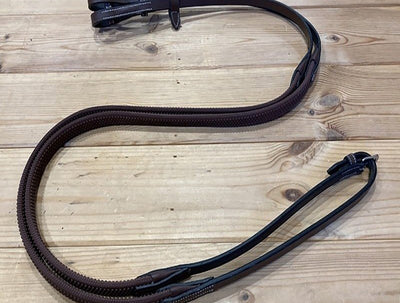
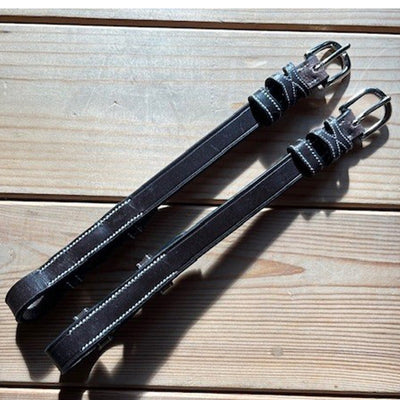
The Jump'In Kineton Noseband, shown with its side pieces and leather band.
You can also browse breastplates and martingales alongside our bridle accessories to compare other tack needs, but those are not direct substitutes without an informed fit decision.

Frequently Asked Questions
What is a Kineton noseband used for?
It is a combination noseband that connects to the bit rings and acts on the lower nasal bridge as well as the bit. Its action can be strong, so seek experienced guidance before using one.
How should a Kineton noseband fit?
Have an experienced fitter show the correct position and check the side connections on your horse. The band should not be tightened to restrict normal mouth movement, and comfort should be checked at rest and in motion.
Is a Kineton noseband allowed at Pony Club Australia events?
Pony Club Australia’s National Gear Rules (January 2025) list the Kineton noseband as not permitted. Check the current rules and event conditions for your specific competition.
Can I use a Kineton noseband in an EA competition?
Rules depend on the discipline and current event requirements. Check the relevant Equestrian Australia rulebook or ask the organiser, steward or technical delegate before competing.
Can I attach a Kineton to any bridle?
Do not assume universal compatibility. The Jump'In product listing describes independent cheek pieces and includes a strap for adapting it to other bridles; ask a qualified fitter to check your exact bridle and bit.
Does a Kineton noseband stop a horse pulling?
It can apply pressure through the noseband and bit arrangement, but it does not address why a horse pulls. Check fit, comfort, health and training with qualified professionals rather than relying on stronger tack alone.
What colours and size are listed for the Jump'In Kineton Noseband?
The live listing shows full size, with black, Havana and burgundy colour options. Confirm the current product page for pricing and variant availability.
Check the whole bridle setup
Compare horse bridles, bridle accessories and the bit range before making a tack change. For any stronger noseband, get experienced, horse-specific fitting advice first.
Browse Bridle Accessories