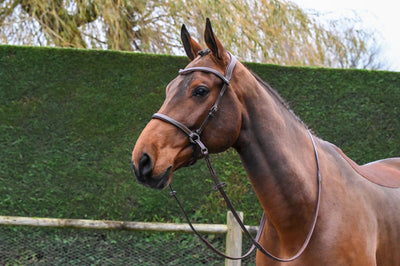
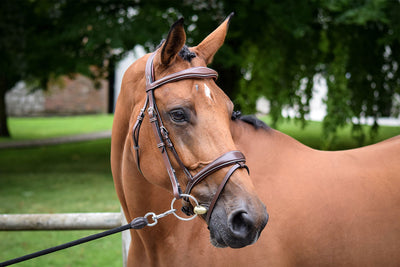
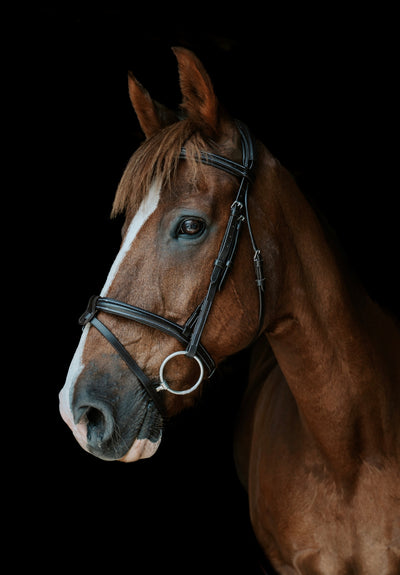
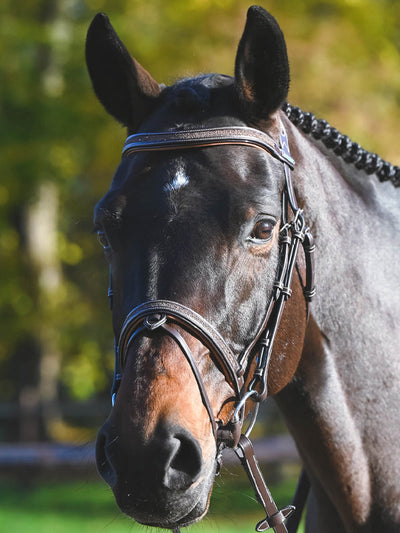
Quick answer: The best horse bridles in Australia depend on your discipline — dressage riders need a cavesson or flash noseband with quality leather, while jumping riders benefit from a snaffle bridle with adjustable padding. Top brands at iRide EQ include Dy'on, PS of Sweden and Kieffer. Fast Australia-wide delivery available.
Choosing the right bridle is one of the most important gear decisions an equestrian can make. A well-fitted bridle doesn't just look elegant — it directly affects your horse's comfort, responsiveness and long-term welfare. Whether you're schooling at home, competing at the highest levels, or hacking out on the weekend, the bridle is the primary channel of communication between your hands and your horse's mouth. If you're ready to upgrade or replace your current set-up, browse our full range of horse bridles at iRide EQ for options suited to every discipline and budget.
The Australian equestrian market has grown enormously over the past decade, with riders from the sandy coastal arenas of Queensland to the high-country plains of Victoria demanding European-quality gear without the punishing import mark-ups. That's exactly why iRide EQ exists — to bridge the gap between world-class equestrian equipment and the Australian rider who needs it delivered fast. In this guide we'll walk you through every type of bridle, the anatomy of a bridle, how to choose by discipline, fitting techniques, materials, and ongoing care so you can make an informed purchase with total confidence.
By the end of this guide you'll understand the difference between a snaffle bridle and a double bridle, know which noseband suits your horse's conformation, and be able to assess leather quality like a professional. Let's dive in.

A well-fitted bridle is the foundation of clear communication between horse and rider.
Types of Horse Bridles
Not all bridles are created equal. The type you choose depends on your discipline, your horse's level of training, and the specific communication aids you need to refine. Here we break down the three primary categories of bridles you'll encounter when shopping in Australia.
Snaffle Bridles
The snaffle bridle is the most common and versatile bridle in the equestrian world. It is designed to be used with a single bit and a single set of reins, making it the go-to choice for the vast majority of riders across dressage, show jumping, eventing, and general riding. Snaffle bridles can be paired with various nosebands — cavesson, flash, drop, or grackle — to suit different horses and training needs.
- Versatility: Suitable for almost every discipline from beginner flatwork to advanced show jumping.
- Noseband options: Available with cavesson, flash, drop, figure-8, or grackle nosebands for tailored control.
- Ease of use: Single rein setup makes it straightforward for riders of all experience levels.
- Bit compatibility: Works with most snaffle bits including loose ring, eggbutt, and D-ring designs.
Double Bridles
Double bridles, also known as Weymouth bridles, use two bits simultaneously — a bridoon (snaffle) and a Weymouth (curb) — along with two sets of reins. This configuration allows for highly refined communication and is mandatory in advanced dressage competition (FEI levels and above). The double bridle enables the rider to apply snaffle and curb aids independently, giving precise control over flexion, bend, and collection. However, double bridles require an educated hand and a horse that is sufficiently trained to respond to subtle cues.
- Precision: Dual-bit system allows independent snaffle and curb aids for advanced dressage movements.
- Competition requirement: Mandatory at FEI dressage levels and in certain showing classes.
- Skill level: Requires an experienced rider with an independent seat and soft, educated hands.
- Horse readiness: The horse must be confirmed at elementary or above and comfortable with curb pressure.
Bitless Bridles
Bitless bridles have surged in popularity across Australia as more riders explore gentler, bit-free communication methods. These bridles work through pressure on the nose, chin, and poll rather than inside the mouth. They're an excellent option for horses with mouth sensitivities, dental issues, or those who simply go better without a bit. Bitless designs range from side-pull configurations for straightforward steering to cross-under styles that apply gentle pressure across multiple points for enhanced control.
- Gentle communication: Eliminates mouth pressure, ideal for sensitive horses or those with dental concerns.
- Side-pull designs: Offer direct rein aids similar to a snaffle, great for young or sensitive horses.
- Cross-under styles: Distribute pressure across nose, chin and poll for nuanced, whole-head communication.
- Growing acceptance: Increasingly permitted in Australian competition, especially in show jumping and eventing.
Parts of a Bridle Explained
Understanding the individual components of a bridle is essential before making a purchase. Each part plays a specific role in fit, function, and communication. Here we break down the anatomy so you can speak the same language as your saddler and make informed choices when browsing our collection.
The Headpiece
The headpiece sits behind the horse's ears and connects the cheekpieces to the throatlash. It bears much of the bridle's weight and should be padded for comfort, especially over the poll area. A poorly designed headpiece can create pressure points that cause head-tossing, resistance, or even long-term nerve damage. Look for broad, anatomically shaped headpieces with foam or gel padding that distribute pressure evenly across the poll.
Cheekpieces
Cheekpieces run from the headpiece down the sides of the face to the bit. They must be adjusted so the bit rests comfortably in the mouth — typically with one or two small wrinkles at the corners. Cheekpieces with billet-style fastenings allow for fine incremental adjustment, which is preferable to traditional buckle holes that may be too far apart for a precise fit.
Noseband
The noseband encircles the horse's muzzle and serves multiple purposes depending on its type. A cavesson is the simplest and most traditional, sitting high on the nose without interfering with the bit. A flash noseband combines a cavesson with an attached flash strap that prevents the horse from opening its mouth to evade the bit. A drop noseband sits lower on the nose and chin groove, offering more control but requiring careful fitting to avoid airway restriction. A grackle or figure-8 noseband crosses over the nose, ideal for jumping horses that tend to cross their jaws.
Browband
The browband sits across the horse's forehead and prevents the headpiece from slipping backwards behind the ears. While its primary function is practical, browbands have become a major fashion statement in Australian equestrian culture, with crystal-studded and coloured designs popular in the show ring. Ensure the browband is not too tight — it should sit comfortably without pinching the base of the ears.
Reins
Reins connect the rider's hands to the bit and are the primary communication channel. Leather reins with grip stops or rubber grips offer excellent traction in all weather conditions. Web reins with leather grips are lighter and popular for dressage, while eventers often prefer rubber or biothane reins for their durability and wet-weather performance. The width and weight of the reins also affect the feel — thinner reins offer more finesse, while broader reins provide a more secure grip.
Throatlash
The throatlash fastens beneath the horse's jaw and prevents the bridle from slipping forward over the ears. It should be loose enough to allow the horse to flex at the poll without restriction — a good rule of thumb is to fit four fingers vertically between the throatlash and the jaw. A throatlash that is too tight can cause severe discomfort and restrict breathing when the horse flexes.
Dressage bridles typically feature a cavesson noseband and double reins for precise contact.
Choosing by Discipline
Different equestrian disciplines place different demands on both horse and rider, and your bridle should be selected accordingly. A dressage rider needs a bridle that allows for subtle, refined communication at the highest levels, while a show jumping rider prioritises freedom of movement and quick adjustments between fences. Event riders need gear that performs across all three phases — dressage, cross-country, and show jumping — often in changeable weather conditions.
The comparison table below outlines the key considerations for each discipline to help you narrow down your choice:
| Discipline | Recommended Bridle Type | Noseband | Key Features |
|---|---|---|---|
| Dressage | Snaffle (to medium) / Double (advanced) | Cavesson or flash | Refined contact, padded headpiece, elegant browband |
| Show Jumping | Snaffle | Flash or grackle | Quick adjustment, grippy reins, anatomical fit |
| Eventing | Snaffle | Flash or figure-8 | Weatherproof materials, durable construction, quick-release |
| Showing | Snaffle or double (depending on class) | Plain cavesson | Traditional styling, immaculate leather, conservative browband |
| General / Trail | Snaffle or bitless | Cavesson or side-pull | Comfort-focused, easy maintenance, versatile |
Dressage Considerations
Dressage demands the highest level of refinement in bridle choice. Up to medium level, a snaffle bridle with a cavesson or flash noseband is standard. As you progress to advanced levels, a double bridle becomes mandatory. Look for bridles with anatomical headpieces that reduce poll pressure, and consider a crank noseband with a padded chin guard for a polished, comfortable fit. Brands like Kieffer and PS of Sweden excel in this category, offering bridles that combine competition-legal elegance with horse-friendly engineering.
Show Jumping Considerations
Show jumping bridles need to accommodate rapid changes in pace and direction while maintaining clear communication. A snaffle bridle with a flash or grackle noseband is most common. Look for cheekpieces with billet fastenings for micro-adjustments between rounds, and reins with excellent grip for confidence over fences. Anatomically shaped bridles that free the cheekbones and temporal bones are increasingly popular among top Australian jumping riders.
Eventing Considerations
Eventers require gear that can handle the demands of three phases in a single competition. The bridle must be comfortable enough for a relaxed dressage test, secure enough for the intensity of cross-country, and precise enough for show jumping. Many eventers opt for a single snaffle bridle with a flash noseband throughout all phases, though rules permit changes. Weather-resistant reins and corrosion-resistant fittings are essential given the unpredictable Australian climate at autumn and winter events.
How to Fit a Bridle Correctly
A correctly fitted bridle is essential for your horse's comfort, performance and welfare. An ill-fitting bridle can cause pressure points, rubs, behavioural issues, and even long-term damage to sensitive facial nerves. Taking the time to get the fit right is one of the most worthwhile investments you can make in your equestrian partnership.
Step-by-Step Fitting Guide
- Headpiece: Sit the headpiece comfortably behind the ears. Ensure it does not pinch the base of the ear or press on the temporal bones. There should be no gap that allows the headpiece to slide forward.
- Browband: The browband should sit flat against the forehead without pulling the headpiece into the ears. You should be able to fit two fingers between the browband and the forehead.
- Cheekpieces: Adjust so the bit creates one to two small wrinkles at the corner of the mouth. Too high causes discomfort; too low allows the bit to clink against the teeth.
- Noseband: A cavesson should sit approximately two fingers below the cheekbone. You should be able to fit two fingers between the noseband and the nasal bone. Flash straps should be snug but not restrictive.
- Throatlash: Fasten loosely enough to fit four fingers vertically between the strap and the jaw. This ensures the horse can flex at the poll without pressure on the windpipe.
- Reins: Check that reins are even in length and attach securely to the bit. Test the bit rings to ensure they move freely without pinching the lips.
Pro tip: Australia's hot, humid summer climate can cause leather to stretch and sweat to degrade stitching faster than in cooler European conditions. Check your bridle's stitch lines and buckle holes every four to six weeks during the December-to-March period, and always allow leather to dry naturally away from direct sunlight after a sweaty ride — never use a hair dryer or radiator, as rapid drying causes cracking.
Common Fitting Mistakes
Even experienced riders can fall into bad habits when fitting bridles. A noseband that is too tight is one of the most common welfare issues in modern equestrian sport — studies have shown that excessively tight nosebands can restrict breathing, increase stress, and cause oral pain. Always use a noseband tightening gauge or the two-finger rule. Another frequent error is a browband that is too small, which pulls the headpiece into the sensitive area behind the ears and can cause nerve pain and head-shaking. Invest in the correct size rather than forcing a bridle that doesn't fit.
Bridle Materials — Leather vs Synthetic
The material your bridle is made from affects its durability, comfort, appearance, and maintenance requirements. The two primary categories are leather and synthetic, each with distinct advantages and drawbacks for the Australian equestrian.
Leather Bridles
Quality leather remains the gold standard for bridles, prized for its suppleness, durability, and classic appearance. European leather — particularly from J.E. Sedgwick or Tärnsjö tanneries — is considered the finest in the world, offering a smooth, consistent grain that softens beautifully with use and conditioning. Leather bridles break in over time, conforming to your horse's head shape for a truly custom fit. They are also repairable, meaning a well-maintained leather bridle can last a decade or more.
- Suppleness: High-quality leather softens with use and moulds to your horse's unique facial contours.
- Durability: With proper care, a leather bridle can last 10+ years and be re-stitched or repaired as needed.
- Aesthetics: Unrivalled traditional appearance, essential for dressage and showing competition.
- Breathability: Natural leather allows air circulation, reducing sweat build-up against the skin.
Synthetic Bridles
Synthetic bridles, made from materials like biothane or synthetic leather, have carved out a niche among riders who prioritise low maintenance and weather resistance. They are particularly popular with eventers, trail riders, and those who ride in Australia's wet or dusty conditions. Synthetic bridles require no oiling or conditioning, can be washed with soap and water, and are available at a lower price point than premium leather. However, they lack the break-in quality and refined feel of real leather.
- Low maintenance: Wash with soap and water — no oiling, conditioning, or special storage required.
- Weather resistance: Ideal for wet cross-country days, beach rides, and dusty trail conditions.
- Affordability: Generally less expensive than premium leather bridles, making them great for young horses or spare gear.
- Limitations: Less supple than leather, does not mould to the horse's head, and is not accepted in formal dressage or showing classes.
Care and Maintenance
A quality bridle is an investment, and proper care will extend its life significantly. The Australian climate — with its intense UV, high summer humidity, and seasonal downpours — presents unique challenges for leather care. Establishing a consistent maintenance routine is the best way to protect your investment and keep your horse comfortable.
Daily Care
- Wipe down after every ride: Use a damp sponge or cloth to remove sweat, saliva, and dirt from the leather while it is still warm and supple.
- Hang properly: Store the bridle on a bridle rack or hook, fully undone, to maintain its shape and allow airflow.
- Keep away from heat: Never dry leather near heaters, radiators, or in direct harsh sunlight, as this causes rapid cracking and shrinkage.
Weekly Deep Clean
- Take apart fully: Remove all parts including reins, bit, and noseband attachments for a thorough clean.
- Soap wash: Use a quality glycerine or castile soap with warm water to clean every surface, working in circular motions.
- Condition: Apply a leather conditioner or balm — such as Effax Lederbalsam or Ko-Chi-Line — and allow it to absorb before reassembling.
- Check stitching: Inspect all stitch lines, billets, and buckle holes for wear or fraying. Address issues promptly to prevent failure during use.
Seasonal Considerations for Australian Riders
- Summer (Dec–Feb): Increased sweating means more frequent cleaning. Use a sweat scraper on the bridle after rides and condition weekly to combat salt and UV damage.
- Autumn (Mar–May): Transition weather — leather may dry out after the humidity breaks. Apply a deeper conditioning treatment mid-season.
- Winter (Jun–Aug): Cold, dry air can stiffen leather. Warm the bridle gently in your hands before tacking up and maintain regular conditioning.
- Spring (Sep–Nov): Mould risk increases with rising humidity. Ensure bridles are stored in a dry, ventilated tack room and check for mildew regularly.
Frequently Asked Questions
What is the most versatile bridle for a general-purpose rider in Australia?
A snaffle bridle with a cavesson or flash noseband is the most versatile choice. It suits the majority of disciplines, is easy to fit and maintain, and can be paired with a wide range of bits. For Australian riders who hack out, school, and occasionally compete, a quality leather snaffle bridle from a brand like Dy'on or PS of Sweden offers the best all-round value.
When should I switch to a double bridle?
Double bridles are introduced when a horse is working confidently at elementary or medium level dressage and the rider has an independent seat with soft, educated hands. In Australia, double bridles are mandatory from FEI levels (advanced and above). Always introduce the double bridle gradually under the guidance of a qualified coach, starting with short sessions to allow the horse to accept the curb bit comfortably.
Are bitless bridles legal in Australian competitions?
Bitless bridles are permitted in an increasing number of Australian competition disciplines, particularly in show jumping and eventing. However, dressage rules typically require a bit at most levels. Always check the current rules for your specific discipline and competition with Equestrian Australia or the relevant governing body before competing bitless.
How tight should a flash noseband be?
A flash noseband should be snug enough to discourage the horse from opening its mouth to evade the bit, but not so tight that it restricts jaw movement or breathing. The widely accepted guideline is the two-finger rule — you should be able to slide two fingers stacked between the noseband and the horse's nasal bone. Using a noseband tightening gauge is recommended for competition to ensure compliance with welfare rules.
How often should I condition my leather bridle in the Australian climate?
In the Australian climate, leather bridles benefit from conditioning every one to two weeks during summer when sweat and UV exposure are highest, and every two to three weeks in cooler months. Use a quality leather balm such as Effax Lederbalsam, and always clean the leather with soap before conditioning to avoid trapping dirt and salt beneath the surface. Bridles used daily may require more frequent attention.
What size bridle do I need for my horse?
Bridles come in cob, full, and oversize (or warmblood) measurements. Measure your horse's head using a soft tape: headpiece to corner of the mouth for cheekpiece length, around the nose for noseband size, and behind the ears to the jaw for throatlash length. Most Australian thoroughbreds take a full size, while warmbloods may need an oversize. When in doubt, choose a bridle with billet-style cheekpieces for fine adjustment, and consult our team at iRide EQ for sizing advice.
Shop Horse Bridles at iRide EQ
Browse our full range of horse bridles — dressage, jumping and bitless options from top European brands. Fast Australia-wide delivery on all orders.