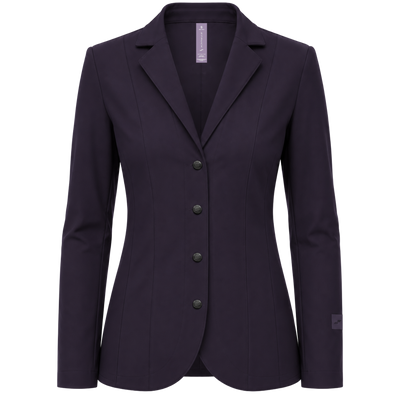
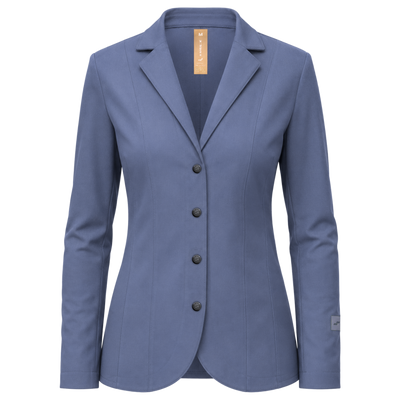
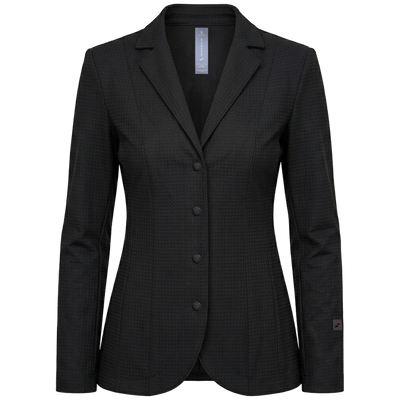
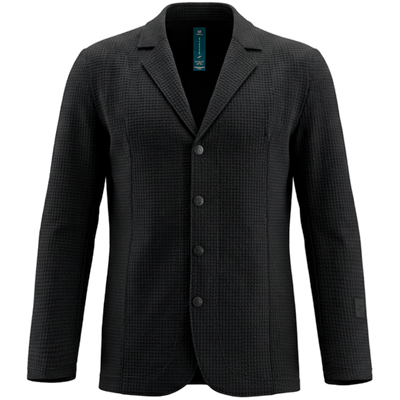
Quick answer: The best show jackets for Australian equestrian competition depend on your discipline and budget — navy and black are most versatile across EA disciplines. Look for stretch panels, moisture management and a clean silhouette. Top brands at iRide EQ include Horse Pilot, For Horses and Jump'In with fast Australia-wide delivery.
Choosing the right show jacket is one of the most important decisions any Australian equestrian competitor will make. Whether you are stepping into the dressage arena for the first time or lining up for a World Cup jumping class, your jacket is the centrepiece of your turnout. It needs to look immaculate from the judge's box, move freely with your body over fences, and hold up through long, hot Australian competition days. The modern show jacket is far more than a tailored blazer — it is a piece of technical performance apparel engineered specifically for equestrian sport.
In this guide, we walk through everything you need to know about selecting, fitting, and caring for a competition show jacket in Australia. We cover Equestrian Australia (EA) rules for both dressage and jumping, break down the key features that separate a great jacket from an average one, and compare the top brands available at iRide EQ. Whether you are upgrading from a starter jacket or investing in your first European-made competition piece, this guide will help you make an informed decision and feel confident on the day.

A well-chosen show jacket completes your competition turnout and makes a strong first impression in the arena.
Dressage vs Jumping Jacket Rules: What EA Requires
The rules governing show jackets in Australian competition are set by Equestrian Australia (EA) and differ between disciplines. Understanding these rules before you buy ensures your jacket is competition-legal and saves you from an uncomfortable conversation with the steward on event day. The key distinction is between dressage and show jumping, though eventing combines both and adds its own cross-country phase.
Dressage Jacket Rules
In EA dressage competitions, the traditional riding tailcoat or short jacket is permitted. According to the EA National Dressage Rules, riders must wear a correctly fitted jacket in a conservative colour. The most common and widely accepted colours are black, navy, and dark green. White or light-coloured breeches are required, and the jacket must be buttoned during the test. In hot weather, the judge may permit jackets to be removed, but this is at the discretion of the presiding judge and should never be assumed.
- Permitted colours: Black, navy, dark green — other colours may be permitted but should be checked with the event organiser
- Style: Tailcoat or short riding jacket with a collar
- Fit: Must be correctly fitted and buttoned throughout the test
- Heat exemption: Judges may permit removal of jackets in extreme heat — always wait for official permission
Show Jumping Jacket Rules
Show jumping is more relaxed when it comes to jacket rules. EA jumping regulations allow for a wider range of colours and styles, reflecting the sport's more modern, expressive character. Navy remains the most popular choice, but riders can also be seen in grey, brown, and even subtle pinstripes. The jacket must still be neat and tidy, and excessively casual outerwear is not permitted. Importantly, jumping jackets must allow for a full range of motion — a jacket that restricts your shoulders or elbows can directly impact your performance over a course of fences.
- Permitted colours: Navy, black, grey, brown, subtle patterns — broader than dressage
- Style: Short riding jacket; tailored but with greater freedom of movement
- Fit: Must not restrict the rider's ability to ride effectively
- Practicality: Many jumping riders prefer stretch-panel jackets for unrestricted mobility
Eventing Considerations
Eventing competitors must comply with dressage rules for the dressage phase and jumping rules for the show jumping phase. The cross-country phase has its own more relaxed dress code, but many riders choose a single versatile jacket that works across all three phases. A navy jacket with subtle stretch panels is the most common all-rounder choice for eventers in Australia.
Key Features to Look For in a Show Jacket
Not all show jackets are created equal. The difference between a basic jacket and a high-performance competition garment comes down to the features built into the design. When you are spending hours in the saddle, warming up in the sun, and then performing under pressure, every detail matters. Here are the key features that define a quality show jacket.
Stretch Panels and Fabric Technology
Modern show jackets incorporate stretch fabrics — typically a blend of wool, polyester, and elastane — that allow the jacket to move with the rider. Look for jackets with two-way stretch panels across the shoulders and back. This is particularly important for jumping riders who need full mobility in two-point position. Horse Pilot and For Horses are leaders in this area, using technical fabrics originally developed for athletic apparel.
- Two-way stretch: Allows movement in both lengthwise and crosswise directions for unrestricted riding
- Stretch underarm panels: Prevent the jacket from riding up when you raise your arms over fences
- 4-way stretch backs: Found on premium models for maximum freedom of movement
Moisture Management and Breathability
Australian competition days can be brutally hot, particularly during the summer show season from November through March. A quality show jacket should incorporate moisture-wicking lining materials that draw sweat away from the body and allow air circulation. Look for mesh-lined vents and breathable back panels. Some premium jackets feature full mesh linings that keep the outer fabric looking crisp while managing perspiration underneath.
- Moisture-wicking lining: Draws sweat away from the skin to keep you dry and comfortable
- Mesh vents: Allow airflow through the jacket during warm-up and competition
- Quick-dry outer fabric: Prevents visible sweat patches on the jacket surface
Construction and Silhouette
The cut of the jacket determines how it looks from the judge's perspective. A clean, fitted silhouette with a single back vent (or no vent for dressage) is the modern standard. Look for jackets with a slightly tapered waist that follows the rider's body without being restrictive. The collar should sit flat against the neck, and the sleeves should end at the wrist bone when the rider's arms are extended. Poorly constructed jackets with bulky seams or ill-placed darts can detract from an otherwise polished turnout.
- Single back vent: Creates a cleaner line than double-vented jackets; some dressage jackets have no vent at all
- Tapered waist: Follows the rider's natural body shape for a polished, tailored look
- Flat-lying collar: Essential for a neat appearance — avoid collars that gap or stand away from the neck
- Precision sleeves: Should reach the wrist bone with arms extended forward
Colour Guide by Discipline
Choosing the right colour for your show jacket is about more than personal preference — it is about complying with the rules of your discipline while presenting a polished, professional appearance. Below is a comprehensive guide to which colours work for which disciplines, along with the EA colour rules comparison table.
| Colour | Dressage (EA) | Show Jumping (EA) | Eventing | Versatility |
|---|---|---|---|---|
| Navy | Yes — accepted | Yes — most popular | Yes | Excellent — works across all phases |
| Black | Yes — traditional standard | Yes — accepted | Yes | Excellent — classic and conservative |
| Dark Green | Yes — permitted | Yes — less common | Yes | Good — traditional choice |
| Grey | Check with organiser | Yes — accepted | Jumping phase only | Limited — jumping best |
| Brown | Not recommended | Yes — accepted | Jumping phase only | Limited — jumping only |
| Pinstripe | Generally no | Yes — subtle patterns OK | Jumping phase only | Limited — jumping only |
For riders competing across multiple disciplines, navy is the clear winner. It is universally accepted, photographs beautifully, and pairs well with both white and beige breeches. If you are investing in a single jacket, navy should be your first choice.

Jumping riders need a jacket that moves with them over fences — stretch panels are essential for serious competitors.
Fit Guide: How to Measure for a Show Jacket
A show jacket that fits correctly is the difference between looking sharp and looking sloppy. Unlike everyday clothing, riding jackets must accommodate the specific posture of a rider in the saddle — shoulders forward, arms bent, and torso slightly compressed. Getting the right fit means taking accurate measurements and understanding how the jacket should sit on your body when you are mounted.
Taking Your Measurements
Start by wearing a base layer similar to what you would wear at a competition. You will need a soft measuring tape and ideally a second person to help. The three key measurements are chest, waist, and sleeve length. For the chest, measure around the fullest part with the tape sitting flat across your back. For the waist, measure at your natural waistline. For sleeve length, bend your arm at the elbow and measure from the centre of the back of your neck, across your shoulder, down the outside of your arm to the wrist bone.
- Chest: Measure around the fullest part, keeping the tape level across your back
- Waist: Measure at your natural waistline — do not pull the tape too tight
- Sleeve length: From the centre back of your neck, over the shoulder, to the wrist bone with arm bent
- Back length: From the base of your collar to the desired hem length — typically just below the seat when mounted
Checking the Fit
Once you have your jacket on, sit in a saddle if possible — or at minimum, simulate the riding position with your arms forward and shoulders slightly rounded. The jacket should not pull across the chest or back when buttoned. The sleeves should reach the wrist bone without extending past it. The hem should sit just below the line of your seat — if it rides up above the cantle of the saddle, it is too short. Check that the collar lies flat against your neck and that there is no gaping at the button holes.
- Shoulder seam: Should sit exactly on the point of your shoulder — not drooping down the arm
- Chest and waist: Buttoned jacket should lie flat with no pulling or gaping at the front
- Sleeve length: Must reach the wrist bone with arms extended forward in riding position
- Back length: Should cover the top of the saddle seat without bunching
- Collar: Must lie flat against the neck — any gapping indicates the wrong size
Brand Comparison: Top Show Jackets at iRide EQ
At iRide EQ, we stock a carefully curated selection of show jackets from the world's leading equestrian brands. Each brand brings its own philosophy and technology to jacket design, and the right choice depends on your discipline, budget, and personal preferences. Here is a detailed comparison of the top brands we carry.
Horse Pilot
French brand Horse Pilot has revolutionised show jacket design with its technical, sport-focused approach. Their jackets are built like performance athletic wear, with four-way stretch fabrics, ergonomic panelling, and moisture-wicking linings. The Aerotech jacket in particular has become a favourite among Australian jumping riders for its combination of sharp appearance and exceptional mobility. Horse Pilot jackets tend to sit at the premium end of the market but offer outstanding value for serious competitors who ride multiple days per week.
- Strengths: Technical fabrics, four-way stretch, athletic fit, moisture management
- Best for: Jumping riders and eventers who prioritise freedom of movement
- Price range: Premium
For Horses
Italian brand For Horses combines European tailoring tradition with modern technical materials. Their jackets are known for their elegant cut, refined details, and beautiful drape. The For Horses show jacket is a standout for dressage riders who want a classic, polished look with the comfort of stretch fabric. The brand uses high-quality wool blends with elastane for a jacket that looks traditional but performs like a technical garment.
- Strengths: Elegant tailoring, premium wool blends, refined European aesthetic
- Best for: Dressage riders who value a classic, polished appearance
- Price range: Mid to premium
Jump'In
Jump'In offers a compelling balance of quality and value, making it an excellent choice for riders upgrading from a starter jacket or buying their first proper competition garment. The brand's jackets feature stretch panels, mesh lining, and a clean modern cut. While not as technically advanced as Horse Pilot, Jump'In jackets deliver solid performance and a smart appearance at a more accessible price point. They are particularly popular with amateur riders and those competing at the lower levels.
- Strengths: Good value, stretch panels, modern cut, solid construction
- Best for: Amateur riders and those seeking value without sacrificing quality
- Price range: Mid-range
Caring for Your Show Jacket
A quality show jacket is an investment, and proper care will extend its life and keep it looking competition-ready for years. The combination of sweat, dust, and sunscreen that accumulates during a typical Australian show day means your jacket needs regular attention. Here is a comprehensive care routine to keep your jacket in top condition.
Cleaning
Always check the care label before cleaning your jacket. Most modern technical show jackets are not suitable for traditional dry cleaning, as the chemicals can degrade stretch fibres and technical coatings. Many jackets are machine washable on a gentle cold cycle, while others require hand washing with a specialised equestrian detergent. Never use bleach or fabric softener, as these can damage the fabric and reduce the jacket's moisture-wicking properties. After washing, reshape the jacket and allow it to air dry on a padded hanger — never tumble dry.
- Check the label: Always follow the manufacturer's specific care instructions
- Gentle wash: Cold gentle cycle or hand wash with equestrian-specific detergent
- No bleach or softener: These damage technical fibres and reduce performance
- Air dry only: Reshape on a padded hanger and dry away from direct sunlight
Storage and Maintenance
Between competitions, your jacket should be stored on a broad-shouldered wooden or padded hanger to maintain its shape. Never hang it on a wire hanger or fold it — creases set into technical fabrics are difficult to remove without professional pressing. Store the jacket in a breathable garment bag to protect it from dust while allowing air circulation. Avoid plastic dry-cleaning bags, which trap moisture and can lead to mildew in Australia's humid climate.
- Hanger: Always use a broad-shouldered wooden or padded hanger to maintain shape
- Garment bag: Use a breathable fabric bag — never plastic, which traps moisture
- Spot cleaning: Address marks and stains immediately with a damp cloth to prevent setting
- Steaming: Use a garment steamer rather than an iron to remove wrinkles — irons can damage technical fabrics
Pro tip: Australian summer shows can see temperatures above 35°C. Choose a jacket with mesh-lined vents and a moisture-wicking lining, and always bring a spare base layer to change into before your class. If the judge offers a heat exemption, take it — no jacket is worth risking heat stress in the warm-up.
Frequently Asked Questions
Can I wear a navy jacket in dressage competitions?
Yes. Navy is widely accepted in EA dressage competitions and is increasingly popular among Australian riders. It is one of the most versatile colours you can choose, as it is also permitted in show jumping and eventing. Always confirm with your event organiser if you are unsure, but navy is a safe and smart choice across all disciplines.
What is the difference between a dressage jacket and a jumping jacket?
Dressage jackets tend to be more traditional and conservative, with a tailored cut and a single or no back vent. Jumping jackets are generally more modern in style, with greater emphasis on stretch panels and freedom of movement. Many riders use a single versatile navy jacket for both disciplines, particularly at the lower levels. At the higher levels, specialised jackets for each discipline become more common.
How should a show jacket fit when I am riding?
A show jacket should fit snugly but not restrictively when you are seated in the saddle. The shoulder seams should sit on the point of your shoulders, the sleeves should reach your wrist bone with arms forward, and the hem should cover the top of the saddle seat. When buttoned, the jacket should lie flat across your chest and waist with no pulling or gaping. Always test the fit in a riding position, not just standing.
Are stretch show jackets allowed in EA competitions?
Yes. Stretch fabrics are fully permitted in EA competitions for both dressage and show jumping. There is no rule that prohibits technical or stretch materials in show jackets. In fact, stretch panels are increasingly the norm in modern competition jackets. As long as the jacket meets the colour and style requirements for your discipline, stretch fabric is perfectly acceptable.
How do I care for a technical show jacket in the Australian climate?
Follow the manufacturer's care label carefully. Most technical jackets should be hand washed or machine washed on a gentle cold cycle with a specialised detergent. Never use bleach or fabric softener, and always air dry on a padded hanger. Store in a breathable garment bag away from direct sunlight. In humid conditions, ensure the jacket is completely dry before storing to prevent mildew.
What is the best show jacket brand for beginners?
For beginners, Jump'In offers an excellent balance of quality and value. Their jackets feature stretch panels, mesh lining, and a clean modern cut at a more accessible price point than premium brands. As you progress in the sport and your budget allows, Horse Pilot and For Horses offer higher-end options with advanced technical features and premium materials. All three brands are available at iRide EQ with fast Australia-wide delivery.
Shop Show Jackets at iRide EQ
Browse our full range of competition show jackets — EA-approved styles for dressage and jumping from top European brands. Fast Australia-wide delivery on all orders.