Training aids get a bad rap in some circles and a free pass in others, and the reality sits in between. A gogue on the wrong horse, left on too long, is a shortcut that teaches nothing. The same gogue on a weak-backed horse in a structured program under an experienced eye can genuinely help build the topline. What matters is picking the right aid for the actual problem — and understanding what each one physically does before it goes anywhere near your horse.
This guide covers the horse training aids stocked in Australia at iRide EQ: the French-made Jump'In lunging aids, and the Equisk range of aids for the rider, because rider position is half the training conversation most of us ignore. Prices are AUD, current at time of publishing.

Structured flatwork is where training aids earn their keep — never a substitute for correct, progressive work.
1. Jump'In Howlett Training Aid
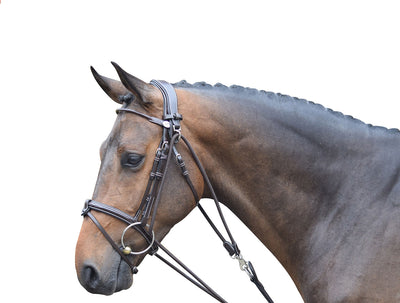
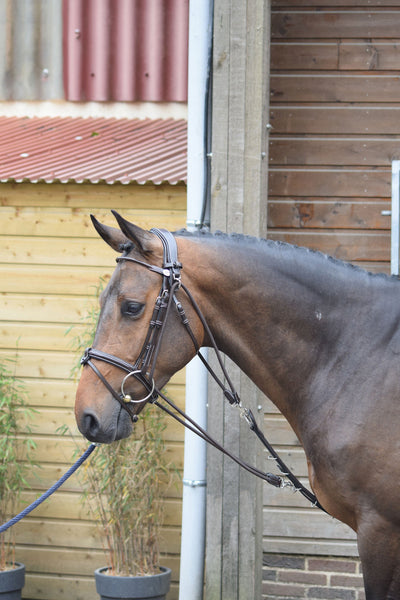
Jump'In's Howlett training aid is the classic of the family, and the one I'd reach for first with young horses. It attaches between the bit and a roller, and the defining feature is that it gives when the horse finds the right working angle — the moment the horse steps into a correct outline, the aid softens and the rider or handler works on the bridle alone. That release is what separates a training aid from a restraint, and it also protects a green horse from the unsteady hands that come with an unsteady rider.
At $383.91 this is French leather gear with stainless fittings, made to last well past one horse's education. It suits longe work in the early stages and transitions to ridden work as the horse matures.
2. Jump'In Gogue — One Collection
The Jump'In classic gogue is the traditional leather version from their One Collection, decorated with contrasting topstitching, in hazelnut or black (Full size only). The gogue encourages the horse to work with the neck extended and the back engaged rather than tucking behind the vertical, which is why it suits horses who hollow and drop their back.
What I appreciate about the Jump'In design is the adjustment range — you set the intensity to the horse's level and the day's work, not to a fixed setting and hope. Priced at $191.41, with only a handful in stock at the time of writing, so check availability before planning your program around one.

The Jump'In Gogue One Collection: classic leather, contrasting topstitching, hazelnut or black.
3. Jump'In Elastic Gogue
The Elastic Gogue ($311.72) is the softer variant: elastic sections in the line mean the aid's action eases gradually instead of holding hard. Per Jump'In's own design notes, it's used to strengthen the back muscles and encourage the neck base to lift, and the elastic prevents the horse locking into a fixed frame and stiffening against the pressure.
In practice, the elastic version is the one I'd suggest for a horse new to a gogue — the forgiveness in the system rewards the first tries instead of punishing them.

The Elastic Gogue: elastic sections ease the action so the horse can't lock against the pressure.
The rider's take: In 15 years of keeping and starting horses, one pattern keeps repeating: riders reach for gear to fix problems that belong to feel and patience. A training aid helped my weak-backed gelding enormously — in a six-week program, on the lunge, introduced by a coach who watched every session. The same aid on the same horse, worn every ride by a distracted teenager, would have made him dull and sour. The difference was never the equipment.
4. Equisk SteadyHands Riding Gloves
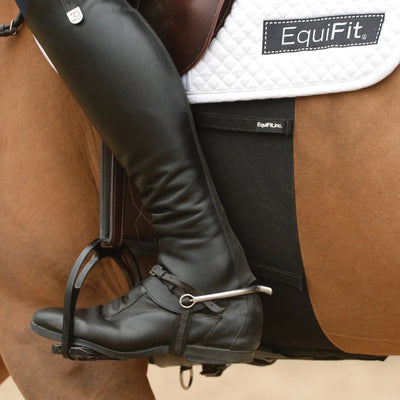
The other half of training is the rider, and SteadyHands gloves ($119.95 in black, with colourways including white and grey at reduced prices while stock lasts) attack the most common flaw in amateur riding: the hands that follow the body's bounce. A quick-release band connects the gloves to keep rein contact quiet and consistent — remove it for competition, keep it for schooling.
The gloves themselves are soft engineered leather, touchscreen compatible, and comfortable enough to be your everyday pair. The band is the training aid; the gloves just make wearing one pleasant.

SteadyHands gloves: the quick-release band keeps rein contact quiet while you train the habit.
5. Equisk RideStraight CLASSIX Shirt
RideStraight shirts ($79.95, short sleeve in grey and navy, long sleeve also stocked) turn your coach into a better diagnostician: the visible front, back and sleeve patterns make a dropped shoulder or collapsed hip obvious from the ground. For riders training alone, a mirror or video session plus one of these shirts will find the crookedness you can't feel.
What I've found over the years is that most amateur asymmetries are invisible to the rider wearing them. Making the fault visible is half the cure, and this is the cheapest diagnostic tool in the collection.

The RideStraight pattern: a dropped shoulder or collapsed hip is obvious from the ground.
6. Equisk Starter Training Kit
The Starter Training Kit ($189.95) bundles Equisk's rider training essentials — chosen to work together on feel, stability and strength, in and out of the saddle — plus a free pair of Equisk socks. If you're buying your first rider aid and don't know where to start, the kit answers the question for you, and it saves money over buying the pieces individually.

The Jump'In Howlett: leather construction, and a mechanism that releases the moment the horse finds the angle.
Comparing the Options
| Training aid | Works on | Price (AUD) | Best suited to |
|---|---|---|---|
| Jump'In Howlett | The horse | $383.91 | Young horses, longe and starting work |
| Jump'In Gogue (One Collection) | The horse | $191.41 | Hollow horses building topline |
| Jump'In Elastic Gogue | The horse | $311.72 | Horses new to a gogue |
| Equisk SteadyHands Gloves | The rider | from $83 | Unsteady hands, inconsistent contact |
| Equisk RideStraight Shirt | The rider | $79.95 | Crookedness, collapsed posture |
| Equisk Starter Training Kit | The rider | $189.95 | First rider aid, bundled value |
Everything above is in stock in Australia with live pricing in the equine training aids and rider training aids collections. For the horse side of the program you'll also want proper longeing gear — a good lunge whip is part of the system, not an accessory.
What About the Pessoa, Chambon and Bungee?
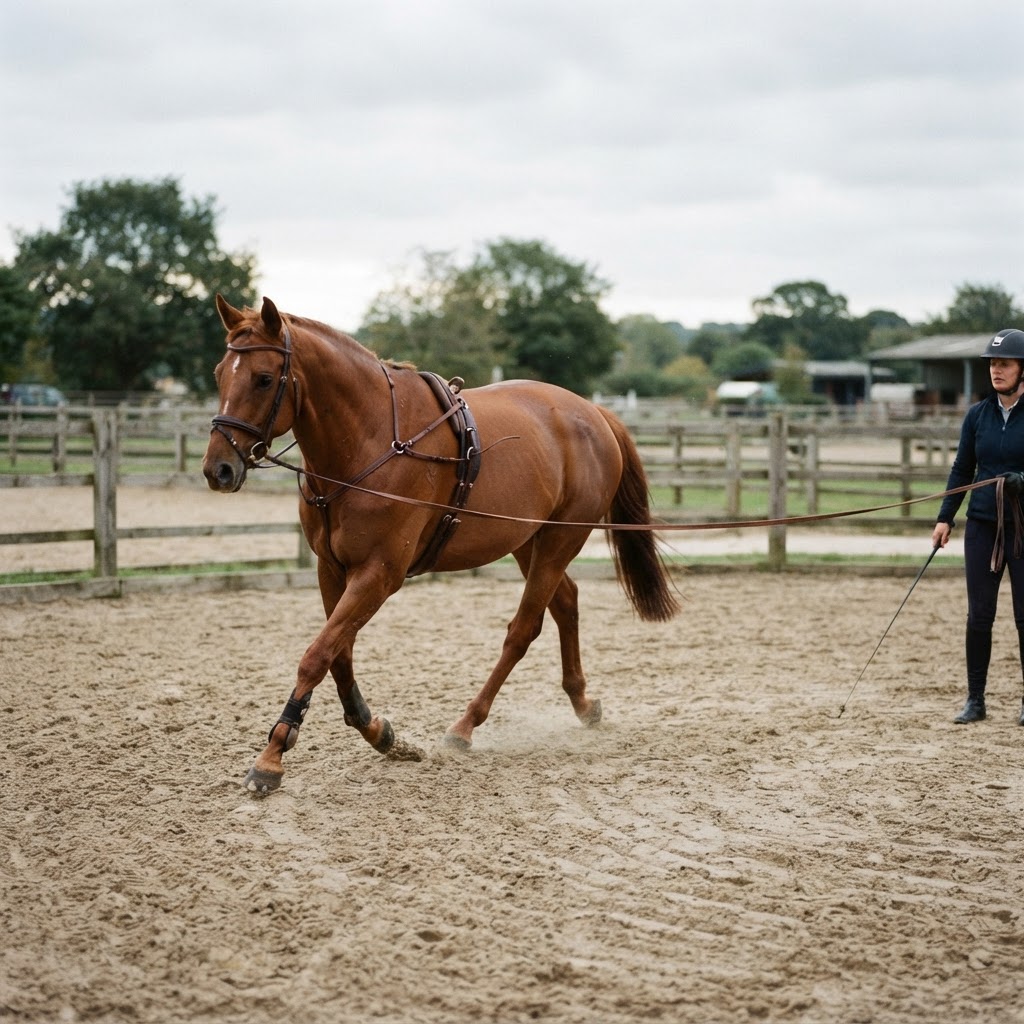
Plenty of Australian riders ask about the systems we don't stock — the Pessoa, the chambon, the bungee reins. They all work on similar principles: encouraging the horse forward and down to lift the back. A chambon works on the lunge only, applying poll pressure when the head comes too high. A gogue can be used longeing and riding. A Pessoa runs a sliding system around the hindquarters. None of them are magic, and none of them are banned — they're just different routes to the same place.
The reason iRide EQ's range concentrates on the gogue and Howlett designs is the release: a well-made gogue lets the horse find the position and then get out of the pressure. Whatever system you use, the welfare principles don't change: short sessions, fitted correctly, introduced progressively, and always with someone on the ground who knows what the correct working angle actually looks like.

Hands-on checks matter more than any aid — feel the back and topline before and after every session.
Frequently Asked Questions
What's the difference between a chambon and a de gogue?
A chambon attaches to the cheek pieces and the bit, and only applies pressure behind the poll when the head comes up — it's strictly for lungeing. A de gogue runs from the bit through a neck system to the girth or roller, encouraging the neck to extend forward and down, and some versions can be used under saddle. Neither holds the head down; both work by rewarding the correct position with release.
What does a Pessoa system do for a horse?
The Pessoa runs ropes around the horse's hindquarters and back to the bit, aiming to engage the hind legs and lift the back as the horse moves forward on the lunge. It's a popular system, but it's not stocked at iRide EQ — our range favours gogue and Howlett designs, where the release is more immediate when the horse finds the right angle.
Are bungee training aids good for horses?
Bungee reins keep a constant light contact and can help some horses learn a steady frame, but because the pressure is continuous rather than releasing at the right moment, they're easy to misuse. If you use one, keep sessions short and pair it with flatwork that teaches the horse to seek contact itself.
How do I use leg aids when horse riding?
Your leg aid comes from the calf against the girth area — heel down, leg still, and pressure applied and released rather than held. Spurs and a whip refine a leg aid; they never replace it. If your horse ignores your leg, the answer is usually more quality repetition, not more hardware.
Do horse training aids actually work?
Yes, in the right hands, for the right problem, in a progressive program. Research and practical experience agree that aids like gogues can strengthen back musculature and improve locomotion — but they amplify good training, they don't create it. Any aid used without correct fitting and clear releases causes more problems than it solves.
Which training aid suits a horse that hollows?
A hollow horse that lifts its head and drops its back is the classic case for a gogue — the elastic version first, as it encourages the neck base to lift and the back to come up without hard pressure. Pair it with long-and-low flatwork and have a coach confirm the horse isn't just dropping behind the vertical instead.
Shop Training Aids at iRide EQ
Browse the full horse training aids and rider training aids collections — Jump'In French leather and the complete Equisk range, stocked in Australia with AUD pricing.
Shop Training Aids