Quick answer: Most Australian horses don't need a rug until temperatures drop below 5°C. Spring's variable weather — cold nights, warm days — means you should transition from heavyweight winter rugs to lightweight cotton or fleece sheets, removing rugs entirely on warm afternoons. Over-rugging above 20°C causes sweating, skin infections, and weight gain, so rugging should be dictated by temperature and your horse's condition, not habit.
The rider's take: In my 15 years keeping horses through Southern Highlands winters, the hardest thing isn't deciding when to put a rug on — it's knowing when to take it off. I've seen too many owners leave a heavyweight on through a 25-degree September afternoon because "she hasn't shed yet." The horse doesn't need the rug. The owner needs the habit.
Australian spring is tricky for horse owners. The days warm up fast, the nights still bite, and your horse's coat is caught somewhere between winter shag and summer sleek. Getting the rugging right during this transition matters more than people think, and not just for comfort — over-rugging in spring is one of the most common welfare issues I see in practice.
This guide covers the temperature thresholds for rugging, which rug weights work for Australian spring conditions, and when to finally pack those heavy canvas rugs away for the year. If you're also dealing with a dull coat that hasn't shifted yet, check out our grooming brushes range and our guide on shedding your horse's winter coat fast.
For horses that need protection from rug rubs during the transition period, we stock the EquiFit range at horse rugs accessories — including wither shields and blanket bibs that prevent pressure sores under heavier gear. You can also browse our horse health collection for general horse care supplies.

Getting the rug weight right during spring's temperature swings is critical for your horse's health and comfort.
What Temperature Should I Rug My Horse?
Dr David Marlin, one of the most respected equine exercise physiologists in the world, puts the horse's thermoneutral zone (where the horse doesn't need to spend extra energy to stay warm or cool) at roughly 0°C to 25°C. Below 0°C or above 25°C, the horse's body has to work harder to regulate temperature.
That's a wide range — much wider than most people assume. A healthy, unclipped horse with a decent winter coat can comfortably handle temperatures down to around 5°C without any rug at all. The British Horse Society recommends rugging when temperatures fall below 5°C for most horses, and below 10°C for clipped or thin-skinned horses.
Here's where it gets interesting for Australian conditions. A peer-reviewed 2023 survey of Australian horse owners published in the PMC/NCBI found that 21.4% of owners leave rugs on their horses when ambient temperature exceeds 20°C. That's well within the horse's thermoneutral zone — the horse is being actively prevented from regulating its own temperature. Nearly 60% of those surveyed felt rugging was necessary for competition horses.
The reality is, most unclipped horses in Australia don't need a rug for warmth until well into autumn and winter. During spring, a rug is often doing more harm than good. If your horse is sweating under the rug in the afternoon sun or hasn't shed their winter coat because the rug is keeping their coat artificially flattened, it's time to reconsider.
What I've found in my own horses is that the natural coat does a better job of temperature regulation than any rug. A horse's coat hairs stand up (piloerection) to trap warm air when cold, and lie flat to release heat when warm. A rug prevents this mechanism from working properly. Horses that are perpetually rugged lose this ability — their coats flatten permanently and they become less resilient to natural temperature changes.

Spring stable management means regular temperature checks and rug adjustments — not set-and-forget.
Spring Horse Rugs: Which Weight for Australian Weather?
Spring in Australia is not one climate. If you're in Victoria, Tasmania, or the Southern Highlands of NSW, you're looking at 5-15°C nights and 20-30°C days through September and October. Up in Queensland or the Northern Territory, you're dealing with 15-25°C nights and 30-40°C days. The transition window shifts by a few weeks depending on where you are.
For southern states, a practical spring rugging approach looks like this:
- 0g cotton sheet: early spring when nights are still cold but days warm up. Breathable, no fill, lets the coat function naturally.
- Light canvas (0g): wind and light rain protection without insulation. Good for those blustery September days where temperature isn't the issue but weather is.
- Fleece or cool-down rug: after exercise on cool mornings. Remove once the horse has cooled down.
- Fly mesh or UV sheet: late spring when insects emerge and UV intensity rises. These offer zero warmth but protect from sun and flies.
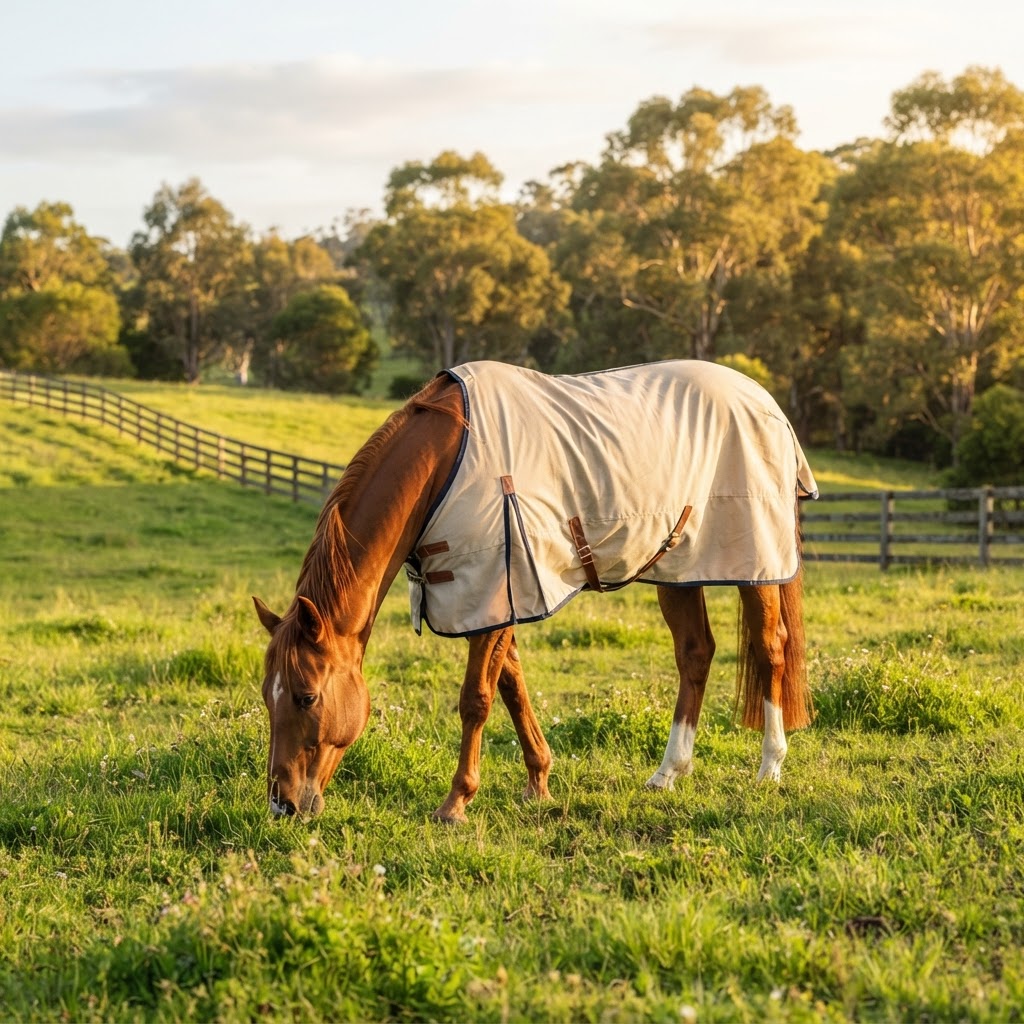
What I've found works best is a layered approach through September and October — a lightweight cotton sheet on cold nights that comes off during the day. By November in most regions, you should be down to fly sheets only, or nothing at all unless your horse is clipped.
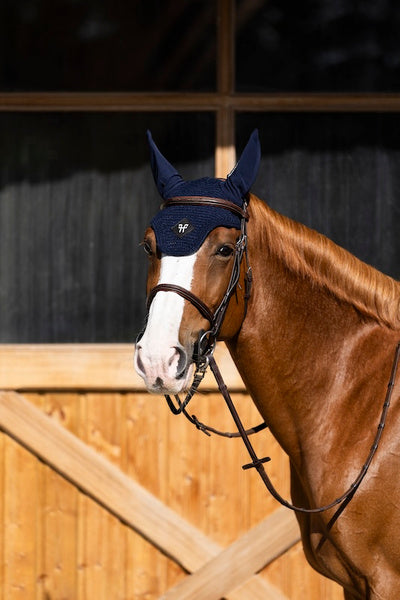
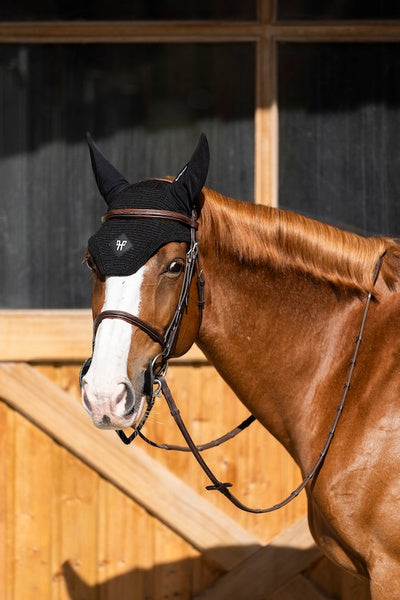
One thing to watch for: spring is when flies become a real problem. A good ear bonnet or fly veil protects your horse's ears and face from insects during transition, and it's often more useful than a body rug as the weather warms. The Jump'In Soundless Fly Veil is one I use myself through September and October — it stays put, the mesh is fine enough to keep the smallest midges out, and it rides through a jumping round without shifting.

The Jump'In Soundless Fly Veil — essential as flies emerge in spring. View product
How Many Rugs Does a Horse Need?
This is one of the most common questions I get, and the honest answer is: fewer than you probably think. A horse in the Australian climate typically needs two to three rugs: a lightweight sheet or fly rug for spring and summer, a midweight for autumn, and a heavyweight for winter if your region gets cold enough. Clipped horses might need an extra layer or two on top of that.
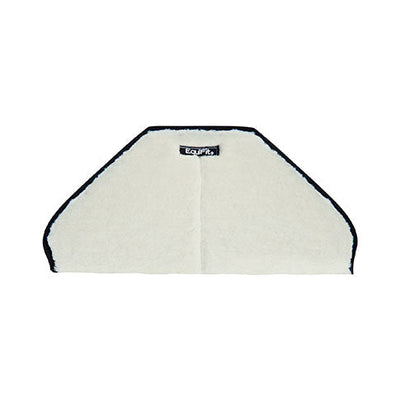
The problem I see is owners buying five, six, or seven rugs "just in case" and then rotating through them constantly. Every rug change is a stress on the horse's coat — it flattens the hair, interferes with natural thermoregulation, and can cause rubbing. If your horse is getting rubs from rug changes, consider a wither shield or blanket bib to reduce friction.

The EquiFit WitherShield prevents pressure sores and rubbing under rugs during transition season. View product
In practice, for spring specifically, you need exactly one rug weight: a 0g cotton sheet or light canvas. That's it. If your horse is already shedding their winter coat (which they should be by mid-September in most of Australia), anything heavier is preventing the natural coat transition. A fly mesh sheet for later in spring is a useful second rug as insects increase.
Also consider the EquiFit BLANKETBIB if your horse gets chest rubs from rug straps — it sits between the rug and the horse's chest, reducing friction without interfering with the rug's function.

The EquiFit BlanketBib sits against the chest to prevent rug friction damage. View product
Horse Rug Storage Ideas for Packing Away Winter Gear
Once you've made the call to move to spring rug weights, your heavy winter rugs need to be stored properly or they'll be ruined by the time you need them again in autumn. Mould, moths, and mice are your main enemies.
Here's what works in practice for storing horse rugs through the Australian summer:
- Clean before storing: Never put away a dirty rug. Mud and sweat residue attract mould and rodents. Brush off dirt, hose down if needed, and let it dry completely in the sun.
- Repair before storing: A small tear now is a big tear in six months. Check straps, buckles, and leg straps. Fix any issues before you pack them away.
- Vacuum-sealed bags: For heavy canvas rugs, vacuum-sealed storage bags keep out moisture, moths, and mice. They also reduce the storage footprint significantly.
- Plastic bins with lids: A cheaper option that works well in dry Australian conditions. Add a few silica gel packets to absorb residual moisture.
- Hang, don't fold: If you have the space, hanging rugs on a dedicated rack prevents permanent creases in the waterproofing membrane. For canvas rugs, this matters.
I store mine in a dedicated tack room on shelves — heavy rugs on the bottom, light rugs on top — in sealed plastic bins with silica packets. Label each bin with the rug type and fill weight. Come next season, you'll thank yourself for not having to dig through a pile of canvas to find the right weight.
For those wanting to protect their horse's face from flies as the weather warms, the EquiFit Essential Fly Mask is a worthwhile spring investment, especially for horses that are sensitive to insects.

The EquiFit Essential Fly Mask — essential as insect season ramps up in spring. Shop fly masks
Frequently Asked Questions
When should you put a rug on your horse?
Most healthy, unclipped horses don't need a rug until temperatures drop below 5°C. Clipped or thin-skinned horses may need one from 10°C. In Australian spring, the decision should be based on overnight temperature, wind chill, and whether your horse is clipped — not just habit.
How to rug a horse correctly?
Ensure the rug fits properly — too tight causes rubs and restricted movement, too loose lets the rug shift and slip. Check chest straps first, then cross surcingles, then leg straps (they should be loose enough to fit a hand between strap and leg). Remove the rug at least once a day to check for rubs, sweat marks, or skin issues underneath.
What temperature do horses need rugs on?
Below 5°C for most unclipped horses. Below 10°C for clipped horses. Above 20°C, most horses should not be wearing a rug at all unless it's a fly sheet for insect protection. The horse's thermoneutral zone is 0-25°C, so rugging within that range is often unnecessary.
What horse rug for what temperature?
Below 0°C: heavyweight (300g+). 0-5°C: midweight (200g). 5-10°C: lightweight (100g). 10-15°C: cotton sheet or light canvas (0g). Above 15°C: fly mesh or nothing. These are general guidelines — adjust for your horse's coat type, age, and body condition.
Can over-rugging harm my horse?
Yes. Over-rugging above 20°C causes sweating, which leads to hyper-hydrated skin and bacterial infections. It also contributes to weight gain (the horse can't lose heat), Vitamin D deficiency (rugs block UV), and can increase colic risk from overheating. In spring, over-rugging also prevents natural coat shedding.
When should I transition from winter to spring rugs in Australia?
September to November in most regions. Start by swapping heavy rugs for lightweight cotton or canvas sheets when overnight temperatures consistently stay above 5°C. Remove rugs entirely on warm afternoons. By November, most unclipped horses in Australia should be unrugged or wearing only a fly sheet.
Do competition horses need rugs in spring?
Clipped competition horses may need a lightweight rug in early spring to stay comfortable, especially if they're being worked early in the morning when temperatures are still cool. However, the rug should be removed after exercise. There are no EA or FEI rules governing rugging at competitions — it's a welfare and stable management decision.
Spring-Ready Horse Care from iRide EQ
Protect your horse from flies and rug rubs this spring with our range of rug accessories. Shop horse rug accessories, fly veils and ear bonnets, and horse health essentials with fast delivery across Australia.
Shop Rug Accessories