Quick answer: For an Australian summer, most horses need a 0g rug or no rug at all above 20°C. Mesh and fly rugs work best in hot, humid conditions because they let air through while blocking UV and insects. Canvas and cotton suits handle dry heat and cooler nights in the southern states, but the golden rule is simple: match the fill weight to the temperature, not the calendar.
The rider's take: The first time I watched a horse come off a float in 42-degree heat wearing a heavyweight combo, I nearly choked on my own water. That horse was in visible distress within minutes. I've been the person who over-rugs "just in case" and the person who under-rugs and scraped a horse off the ground that night from fly worry. Both are mistakes I've made in this Australian climate, and both taught me the same thing: read the temperature, read the horse, and ignore what your neighbour at the agistment is doing.
Rugging in an Australian summer is a different beast from rugging in Europe or North America. Our summers don't just get warm. They get dangerous. A 40-degree day in the Hunter Valley or the Adelaide Hills can turn a closed rug into a sauna, and the humidity in Brisbane or Darwin makes mesh rugs feel like the only sane choice. Horses here handle heat well if you let their coat do its job, but too many riders reach for a rug out of habit rather than need.
The right horse rug for an Australian summer depends on three things: your local temperature range, the amount of insects where your horse lives, and whether your horse has access to shade. Some horses need fly protection more than they need warmth management. Others, particularly dark-coated horses or those prone to sun bleaching, benefit from UV-blocking mesh sheets. Equifit makes a few accessories that address specific rug-related problems, which I'll get into shortly.
Here's what I've learned from rugging horses through ten Australian summers: most owners use too much rug, not too little. A horse's thermoneutral zone sits between about 5 and 25 degrees Celsius, meaning they're comfortable without a rug across a wider range than most people think. The horse rugs and accessories you actually need for summer are lighter than you'd expect.

Summer stabling lets you manage rugging per horse rather than per paddock.
Horse Rug Temperature Guide Australia
I keep a temperature chart taped to the tack room door at my agistment. It's not fancy, but it stops the guesswork when someone new is on rugging duty. Here's the consensus I've pulled together from Australian retailers like PETstock, Weatherbeeta, and Delzani, cross-referenced with what actually works in practice:
| Temperature | Fill Weight | Rug Type |
|---|---|---|
| 20°C and above | 0g (no fill) | Nothing, or a mesh/fly rug |
| 10-15°C | 0g to 100g | Summer sheet or lite fill |
| 5-10°C | 100g-200g | Medium weight |
| 0-5°C | 200g-300g | Heavyweight |
| Below 0°C | 300g+ | Heavyweight combo |
In most of Australia during summer, you're sitting at 20 degrees or above. That means 0g or bare. If you're in the Southern Highlands or Tasmania where summer nights can dip into single digits, a lightweight cotton sheet for the evening is plenty.
Look, the chart is a guide, not a law. A clipped horse feels the cold differently from one with a full summer coat. A Thoroughbred off the track with a thin coat will need a lite rug at 15 degrees when a stocky Stockhorse won't. And a horse living outside in Canberra's dry heat handles temperature swings differently from one in humid north Queensland. The point is to start light and adjust up, not start heavy and hope for the best.
One mistake I see constantly: rugging for the daytime high when the horse is out at night. If your horse is in the paddock 24/7 and the daytime high is 35 degrees but the overnight low is 12, you need a rug that handles both ends. Light cotton or a ripstop sheet you can slip on for the cool change, not a combo that traps heat at midday.
Mesh Horse Rugs Australia
Mesh rugs are the workhorses of an Australian summer. They solve two problems at once: air flow and insect protection. The open weave fabric lets breeze pass straight through the rug, which means heat doesn't build up underneath. At the same time, the physical barrier stops biting flies, midges, and march flies from reaching the horse's skin.
For horses that worry from flies, a mesh rug is a quality-of-life upgrade. I've seen horses go from stressed, sweat-soaked, and pacing the fence to relaxed and grazing just from being put in a mesh fly rug. The difference is that dramatic.
Light-coloured mesh rugs also reflect sunlight rather than absorbing it. A white or pale grey mesh sheet will keep a dark-coated horse measurably cooler than a dark-coloured one. If your horse has a grey or light coat, UV protection matters too. Mesh rugs block a significant portion of UV, which helps prevent sun bleaching and photosensitivity reactions in sensitive-skinned horses.
One trick for extreme heat days: wet the mesh rug. The evaporative cooling effect drops the horse's surface temperature fast, and the mesh fabric won't trap moisture against the skin. It works the same way a Cool Coat does, just cheaper.

The Equifit Essential FlyMask ($69.82 AUD) pairs with a mesh rug for full insect protection. View the FlyMask here.
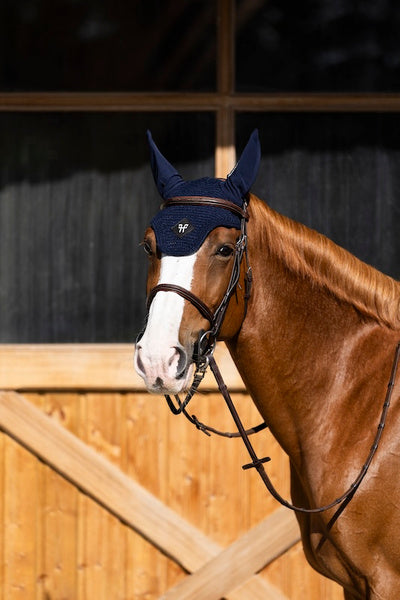
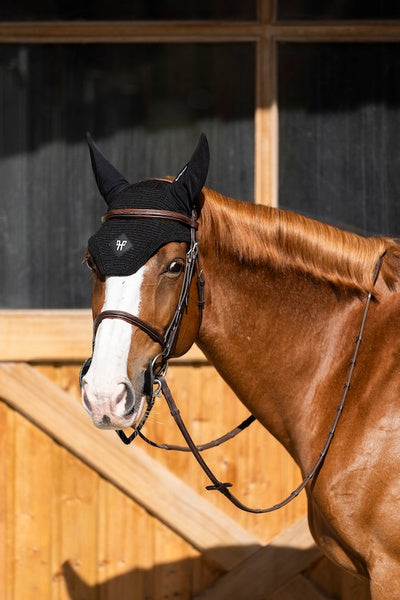
If your horse is rubbing its face, tearing up from flies, or avoiding the paddock during peak insect hours, an Equifit Essential FlyMask layered with a mesh rug delivers full-body coverage. Fly masks also protect eyes and ears from UV damage. And if your horse wears an ear bonnet under saddle, you're matching the protection from the paddock to the arena.
Canvas Horse Rugs Australia
Canvas rugs, sometimes called "flags" in Australia, are the old-school choice. They're heavier than mesh, less breathable, but tough as anything. If you've got a horse that destroys rugs or lives in rough paddock country, canvas is your friend.
The canvas fibres trap heat more than mesh or cotton, so these aren't your first pick for a 40-degree Sydney day. But for dry inland heat where nights drop significantly, or for property owners who need a rug that survives wire fencing and rough ground, a lightweight canvas is a practical compromise.
Brands like Weatherbeeta and Caribu dominate the Australian canvas rug market. They make solid rugs, no doubt about it. But what I've found is that many riders don't need a full canvas rug for summer. They need something lighter that still holds up to wear. A ripstop polycotton sheet gives you canvas-like durability at half the weight.
If you're running a large property with multiple horses, the maintenance angle matters as much as the temperature rating. Canvas can go through the washing machine but takes a full day to dry. Mesh hosed off in the afternoon is dry by morning. That sounds trivial until you're washing five rugs on a Sunday.
Southern Australian nights in summer can drop below 10 degrees. For those conditions, a light canvas or polycotton rug is worth having on hand for the cool changes that come through overnight. Browse our full horse rugs and accessories range at iRide EQ for rug-care solutions that extend the life of your summer sheets.

Paddock turnout in summer means matching rug weight to the daily temperature swing.
How to Measure a Horse for a Rug in Australia
A rug that fits wrong is worse than no rug at all. Rubbing at the withers, slipped positions, and pressure sores all come from poor fit. Here's the method I use every time I buy a new rug.
Start at the centre of the horse's chest. Run a soft measuring tape along the side of the body, following the barrel, to the point of the buttock where you want the rug to end. That measurement in inches or centimetres is your rug size. Most Australian rug brands use inches, typically from 66" up to 90" for larger horses.
Ponies are shorter again, starting around 48". If you're between sizes, round up. A rug slightly too long won't cause problems. A rug too short leaves the hindquarters exposed to insects and weather.
The fit issues I see most aren't about length. They're about the wither area. Horses with prominent withers, particularly Thoroughbreds and Warmbloods, develop pressure points under standard rug designs. The rug sits on the wither spine instead of distributing weight across the shoulders.

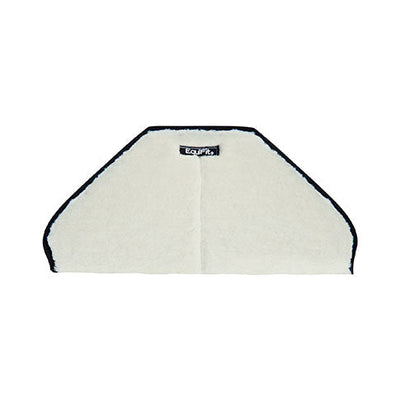
The Equifit WITHERSHIELD ($231.03 AUD) sits under the rug to relieve wither pressure. See the WITHERSHIELD here.
The Equifit WITHERSHIELD is a ribbed foam protector that sits between the rug and the wither. It works for any rug, not just summer ones, but it's especially useful with lighter summer sheets that tend to sit flat against the spine. If your horse has rubbed the wither area raw or has white hair regrowth from pressure damage, a wither shield solves it.
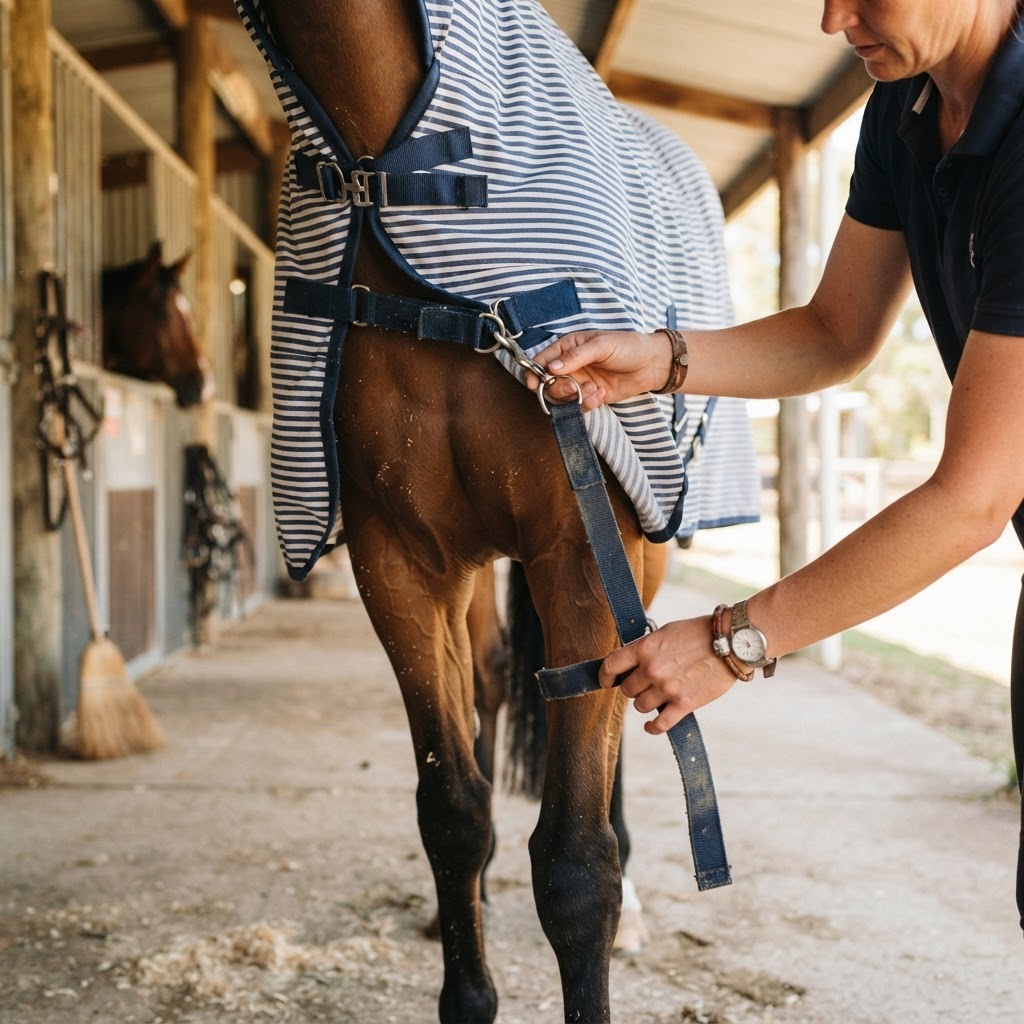
Another pressure point to watch: the chest buckles. If the rug's too tight across the front, buckles dig into the shoulder. Too loose, and the rug shifts and rubs. You want the chest straps snug enough that you can slide a flat hand underneath but no more. And check the cross-over point of the front closures sits squarely in the centre of the chest, not pulled to one side.

The Equifit BLANKETBIB ($231.03 AUD) prevents shoulder and chest rub from rug friction. View the BLANKETBIB here.
The Equifit BLANKETBIB takes a different approach to the same problem. Rather than protecting the wither, it covers the point of shoulder and chest area where rug friction causes bald patches. If your horse comes out of a rug with rub marks across the shoulder, the bib is the fix. It sits under the rug and lets the rug slide over the smooth bib surface instead of grinding against the skin. If your horse's rug setup is causing rubs, check both the wither and shoulder areas before you replace the rug itself.
Cotton vs Polycotton: Which Fabric Wins in an Aussie Summer?
Cotton rugs have been the classic Australian summer choice for decades. They're natural, soft against the coat, and breathe well. Horses tend to be comfortable in cotton because it doesn't generate static and doesn't trap body heat the way synthetic fabrics can. The downside: cotton absorbs moisture. On a humid day in northern Queensland, a cotton rug soaks up sweat and stays wet, which can lead to scalding if it doesn't dry between wears.
Ripstop polycotton is the modern answer. The polycotton blend combines cotton's breathability with polyester's durability and quick-dry properties. The ripstop grid weave (the squares you can see if you look closely) stops small tears from becoming big ones. For a horse that lives out 24/7 and gets a rug washed weekly, ripstop polycotton holds up better than pure cotton.
Here's the thing: neither fabric is inherently better. It depends on your horse and your climate. If you're in dry heat with cool nights, cotton feels nicer against the coat and handles the temperature swing comfortably. If you're in humid conditions or your horse sweats heavily under a rug, the polycotton's faster moisture release wins.
A practical tip: keep rotating two rugs. One on the horse, one drying. Summer rugs don't last if they're never given a chance to fully dry and recover shape. Good grooming brushes and a clean coat under the rug also reduce friction and help horse skin breathe. Clean rugs on clean horses, always.
Frequently Asked Questions
Do fly rugs keep horses cool?
Yes, a fly rug with mesh fabric can keep a horse cooler than no rug at all. Light-coloured mesh reflects sunlight and allows air to circulate across the horse's body. On extreme heat days, wetting a fly rug provides additional evaporative cooling. The key is choosing a mesh rug with an open weave that doesn't block air flow.
How many rugs does a horse need?
Most Australian horse owners need 3-4 rugs: a 0g summer sheet or mesh rug for hot weather, a midweight (200g) for shoulder-season mornings and cool changes, a heavyweight (300g+) for genuine winter, and a fly rug if insects are a problem. A competition horse might need more. A hardy horse living out in warm climates may need fewer.
How to rug a horse properly?
Start with the right size, measured from centre chest to the desired point at the hindquarters. Fasten the chest straps first, then the leg straps, then belly surcingles if present. You should be able to fit a flat hand between the rug and the horse at the chest. Check that the rug sits level on both sides and isn't pulling to one side at the wither.
What are the best summer horse rugs Australia has?
Mesh fly rugs are the most versatile choice for an Australian summer. Light-coloured, open-weave mesh provides air flow, UV protection, and insect defence. Canvas suits work well for dry inland conditions but run hotter. Cotton sheets are soft and breathable but need more drying time. For most of the country, a mesh rug for day use and a cotton or polycotton sheet for cool evenings covers the range.
How do I measure my horse for a rug?
Measure from the centre of the chest, running a soft tape along the horse's side to the point at the hindquarters where you want the rug to end. Australian rug sizes are typically in inches, from 48" for ponies up to 90" for large horses. Always round up if between sizes.
How should I store horse rugs when not in use?
Wash and fully dry rugs before storing them. Store them in a dry, rodent-proof area in a breathable bag or hung on a rug rack or hook. Never store damp rugs. Silica gel packets in storage bins help control humidity over long periods.
Are canvas or mesh rugs better for summer?
Mesh rugs are generally better for Australian summer because they provide maximum air flow while still protecting against UV and insects. Canvas is more durable and better suited to dry inland conditions where durability matters more than breathability. For most coastal and humid parts of Australia, mesh is the better first choice.
How do I know if my horse is too hot under a rug?
Check under the rug at the chest and along the topline. If the horse is sweating, has rapid breathing at rest, or is restless and seeking shade, it's too hot. A horse that's comfortable under a rug will have dry skin and a normal breathing rate. If in doubt, take the rug off. A scratched horse from flies is better than an overheated horse. Monitor for heat stress signs on days above 35 degrees.
Get Your Summer Rug Accessories Sorted
From fly masks to wither shields and rug bibs, the right accessories make any summer rug setup work better. Browse our horse rugs and accessories range and shop Equifit protection gear for a summer your horse actually enjoys.
Shop Horse Rug Accessories