Quick answer: Regular grooming keeps your horse healthy, comfortable and looking sharp. In Australia's hot, dusty climate, a solid grooming routine prevents skin issues, promotes cooling and builds the bond between you and your horse. Brush 3-4 times weekly minimum, focus on sweat-prone areas, and adjust for seasonal humidity.
Horse grooming is far more than just making your horse look good for the showground. It's a cornerstone of equine health management — especially in Australia, where summer heat, dust and humidity create unique challenges. A proper grooming routine improves circulation, distributes natural oils that protect the coat, allows you to spot health issues early (lumps, cuts, skin conditions), and strengthens the critical relationship between horse and handler.
Whether you ride daily or keep a horse at agistment, grooming is non-negotiable. This guide covers the essential grooming tools, step-by-step routines, and Australian-specific tips for keeping your horse comfortable year-round — from humid Queensland winters to the dry heat of inland NSW.

Regular grooming improves coat health, reveals skin issues early, and builds trust between horse and handler.
Why Grooming Matters — Beyond Looks
Grooming serves three critical functions in horse health. First, it improves circulation and lymphatic drainage — brushing stimulates blood flow and helps your horse's body regulate temperature more efficiently, which is crucial in Australian heat. Second, it's preventative medicine: you catch sweet itch, mud fever, rain scald, lumps, cuts and infections early when they're easier to treat. Third, it maintains the natural protective oils in the coat, which create a waterproof barrier and insulate against temperature extremes.
Beyond your horse's coat, a solid grooming routine also helps you spot lameness and movement issues early. For broader equestrian health management, consider complementary practices like proper nutrition and feeding, which fuels coat and hoof health from the inside. And if you're investing in quality gear, our guide on leather tack care ensures your equipment lasts as long as your grooming routine keeps your horse healthy.
In Australia's climate, grooming also helps manage sweat and dust. Humid Queensland summers mean your horse sweats heavily; dry inland climates create dust that clogs pores. A consistent grooming routine keeps pores clear, reduces fungal and bacterial issues, and keeps your horse cooler and more comfortable.
Health screening during grooming
- Skin conditions: Sweet itch (seasonal allergy), mud fever (bacterial infection in wet conditions), rain scald (fungal), hives
- Parasites: Lice, mites, botflies — visible during brushing
- Lumps and bumps: Early detection of abscesses, cysts, or injury
- Coat quality: Dull coat often signals nutrition issues or parasites
Essential Grooming Tools — What You Actually Need
A grooming kit doesn't need to be expensive, but it should be quality. Cheap brushes shed bristles, irritate the skin, and waste your time. Invest in a few good tools and you'll use them for years.
| Tool | Purpose | Australian brands / tips |
|---|---|---|
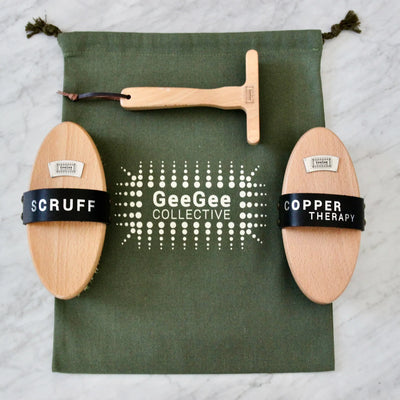
| Dandy brush | Remove mud, dust, sweat — first step | Stiff bristles; use in winter/muddy seasons. Brands: Harrods, Cottage Craft, iRide EQ |
| Body brush | Smooth, polished coat finish — gentle | Soft bristles for daily use. Keep separate from dandy brush to avoid cross-contamination of dirt |
| Curry comb (rubber) | Remove shedding hair, massage muscles | Perfect for Australian summer shedding. Safe on sensitive skin |
| Mane & tail comb | Detangle, condition mane/tail | Use wide-tooth comb to avoid breakage; follow with tail conditioner |
| Hoof pick | Clean hooves daily — prevent thrush | Non-negotiable. Pick from heel toward toe. Daily = essential in muddy conditions |
| Sponge (3x) | Eyes, nostrils, dock (3 separate sponges) | Hygiene critical. Wash sponges after each use; replace quarterly |
Total cost for a basic setup: $80–$150 AUD. A quality dandy brush (~$25), body brush (~$30), rubber curry comb (~$15), mane comb (~$12), hoof pick (~$8), and sponges (~$20) will last 3+ years with care. Far better than buying cheap bristles that fall apart in 6 months.

A solid pre-ride grooming routine takes 10-15 minutes and reveals any issues before you ride.
The Complete Grooming Routine — Step by Step
Daily pre-ride routine (10–15 minutes)
- Hoof pick: Clean all four hooves thoroughly, heel toward toe. Check for rocks, thrush, abscesses
- Dandy brush: Remove dust, mud and dried sweat in the direction of hair growth
- Body brush: Smooth the coat, focus on saddle/girth area
- Sponges: Eyes, nostrils, dock with separate sponges
Weekly deep groom (30–45 minutes)
- Hoof pick + hoof brush: Deep clean, check sole and frog for issues
- Dandy brush: Entire body, including legs
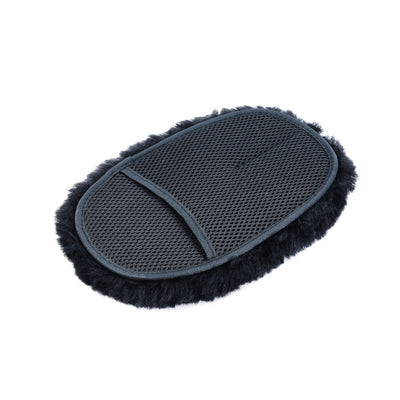
- Curry comb (rubber): Massage in circles, removes shedding hair and stimulates circulation
- Body brush: Final polish, work in sections
- Mane & tail: Comb through gently, detangle; apply conditioning spray if needed
- Full sponge wash: Eyes, nostrils, dock, belly
Post-ride routine (5–10 minutes)
- Hoof pick: Remove stones and check for heat (sign of problems)
- Sweat scraper (or body brush in circles): Remove excess sweat before it dries and causes itching
- Damp sponge: Wipe dock and legs if sweaty
Pro tip: In hot Australian summers, groom early morning (before 9am) or late evening (after 4pm) when it's cooler. Avoid grooming during the heat of the day — your horse is already working to cool down. Always have fresh water available and groom in shade when possible.
Seasonal Grooming — Australian Climate Adjustments
Summer (hot/humid)
- Increase hoof picks to twice daily if at agistment (wet conditions = thrush risk)
- Use rubber curry comb more frequently to remove sweat and shedding hair
- After riding, scrape sweat and rinse thoroughly if possible — let dry before putting rug on
- Watch for sweet itch (tail rubbing, hair loss) — common in humid climates
- Daily dock wash to prevent bacterial/fungal issues
Winter (wet)
- Daily hoof picks are non-negotiable — mud + moisture = thrush breeding ground
- Dry coat before rug goes on — wet coat under a rug = rain scald
- Use dandy brush to remove mud caked on — don't scrub when dry; wait for mud to dry first
- Watch for mud fever on legs, especially if horse is wet 24/7 at agistment
Spring/Autumn (shedding seasons)
- Increase curry comb use — horses shed heavily in these seasons
- Use shedding blade or sweat scraper to remove loose hair
- More frequent grooming = faster shedding = less itching

Common Grooming Issues & Solutions
Sweet itch (seasonal allergy)
Signs: Intense tail and mane rubbing, hair loss, flaky skin. Solution: Groom daily to remove allergen-triggering sweat; use anti-itch shampoo; consider rug/fly mask during peak season (Nov–April in coastal regions). Consult your vet if severe.
Mud fever / Rain scald
Signs: Crusty scabs, hair loss, usually on legs or back. Solution: Daily grooming to spot early; keep skin dry; trim hair short on legs in winter to allow faster drying. Use medicated wash if infection develops. See your vet if spreading.
Thrush (hoof fungus)
Signs: Black, foul-smelling discharge from the frog. Solution: Daily hoof picks + regular farrier visits (every 6–8 weeks). Use hoof treatment; keep hooves dry. Serious neglect can cause lameness.
Matted mane/tail
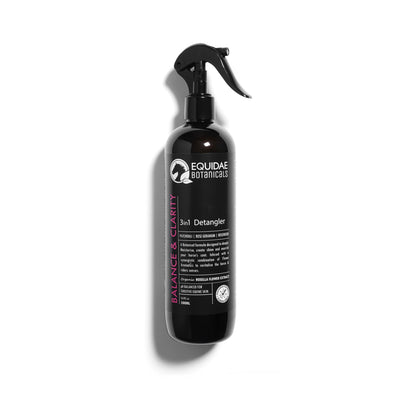
Solution: Don't brush a dry, matted tail. Spray with detangler or conditioner first, then use wide-tooth comb gently from the bottom up. Never yank or pull — it breaks hair and creates bald spots.
Frequently Asked Questions
How often should I groom my horse?
Minimum 3–4 times per week if riding regularly. Daily grooming is ideal — it only takes 10–15 minutes and prevents most issues. Horses kept at agistment in muddy conditions need daily hoof picks, minimum.
Should I wash my horse with shampoo?
Yes, but not more than 2–3 times per month (over-washing strips natural oils). Use a gentle equine shampoo. Rinse thoroughly. In hot weather, wash post-ride when the horse has cooled down. Always dry before putting a rug on, especially in winter.
Can I groom a horse the day before a show?
Yes — deep groom 1–2 days before, light grooming the morning of. Don't over-groom the night before; fresh natural oils give the coat shine. Save heavy brushing for after the show.
What should I do if my horse has a skin condition?
First, groom more frequently to monitor. If you see signs of infection (oozing, spreading scabs, severe itching), contact your vet. Don't assume it's just dirt. Early treatment saves money and prevents serious issues.
How do I prevent thrush?
Daily hoof picks (non-negotiable). Trim the frog regularly (farrier job). Keep hooves as dry as possible. Use hoof treatment if hooves are in wet conditions long-term. Regular farrier visits (every 6–8 weeks) catch problems early.
Is grooming time better spent riding instead?
No. A healthy, well-groomed horse performs better, stays sound longer, and is happier. Plus, grooming builds the bond. 15 minutes of grooming prevents $500+ vet bills down the line. It's an investment, not a luxury.
Shop grooming essentials at iRide EQ →
Browse our brushes and grooming tools — quality gear that lasts. From dandy brushes to hoof picks, we stock trusted brands and Australian suppliers. Fast Australia-wide delivery on all orders.