Quick answer: Owning a horse in Australia costs between $8,000 and $25,000+ per year, depending on agistment type, veterinary needs, and competition level. The purchase price is often the smallest expense — ongoing care, agistment, and farrier work make up the bulk of annual costs.
The rider's take: When I bought my first horse, I budgeted for the purchase price, agistment, and feed. What I didn't budget for was the emergency vet callout when he got a hoof abscess on a Sunday, the specialist farrier for his crumbling hooves, or the fact that he'd destroy three rugs in one Australian summer. The first year cost me double what I estimated. The second year, I had a proper budget and it was fine. The lesson? Build the spreadsheet before you buy the horse, not after.

Horse ownership in Australia is rewarding but expensive — budget $8,000-$25,000+ per year.
Horse ownership represents freedom, connection, and a lifestyle that city dwellers can only wistfully scroll past on Instagram. But behind the dream lies a spreadsheet that few first-time owners take the time to build.
Horses are not bicycles — they don't sit quietly in the shed until you're ready to ride. They eat every day, their hooves grow continuously, their teeth need filing, and they have an almost magical ability to injure themselves on nothing at all. Understanding the true cost before you buy isn't about killing the dream — it's about protecting it.
This 2026 breakdown gives you a clear, honest picture of what it costs to keep a horse in Australia today, so you can plan with confidence.
The Purchase Price — What to Budget
Before we get to ongoing costs, let's talk about the upfront purchase. The price of a horse in Australia varies enormously depending on age, breed, training, and intended use.
- Paddock companion ($500–$3,000): Older, retired, or unbroken horses suitable for light groundwork or keeping another horse company. Affordable to buy, but may carry higher vet costs due to age.
- Recreational horse ($3,000–$15,000): Sound, trained horses suitable for trail riding, pony club, and amateur dressage or jumping. This is the sweet spot for most first-time owners — enough education to be safe and enjoyable, without the premium of a competition record.
- Competition horse ($15,000–$100,000+): Talented, proven horses with competition records, quality bloodlines, or advanced training. Top-level eventers and Grand Prix dressage horses can exceed $200,000, but these are purchased by serious competitors with sponsorships or professional budgets.
Here's the thing that surprises most first-time buyers: the purchase price is often the smallest ongoing cost of horse ownership. A $5,000 recreational horse will cost you roughly the same in annual care as a $50,000 competition horse — the agistment, feed, farrier, and vet bills don't care what you paid. Budget for the lifestyle, not just the price tag.
Agistment Costs in Australia
Agistment — the Australian term for boarding your horse at someone else's property — is usually your biggest ongoing expense. Costs vary wildly depending on location, facilities, and level of service:
Paddock Agistment ($50–$150 per week)
Your horse lives in a paddock with other horses, shelter from the elements, and access to water. You're responsible for feeding, rugging, and all care. This is the cheapest option, but it means daily visits — you can't skip a week.
One thing to watch: some paddock agistment doesn't include feed. You're paying for the space, not the food. In a drought year when hay prices spike, your costs can double overnight. Ask what's included before you sign.
Part-Board / Shared Care ($150–$300 per week)
Your horse is in a paddock or yard with feed included, and the property owner does basic daily checks. You handle riding, grooming, and exercise. This is the most common arrangement for working riders who can't visit twice a day.
Full Board ($300–$600+ per week)
Everything is included — feed, rugging, grooming, exercising (sometimes), and stable access. This is the premium option, usually found at equestrian centres and competition yards. If you're competing seriously, full board at a yard with an arena, stables, and a coach on-site can be worth the cost.
Feed Costs
A horse in light work on good pasture might need nothing more than a mineral lick. A horse in heavy competition or with limited grazing needs hard feed and supplements. Budget accordingly:
- Hay ($20–$80 per week): Lucerne, oaten, or Rhodes hay. Prices spike in drought years — stock up when supply is good.
- Hard feed ($30–$80 per week): Pellets, chaff, and grains for horses in work. Competition horses need more.
- Supplements ($20–$60 per month): Joint support, electrolytes, coat conditioners. Not all horses need all supplements — talk to your vet about what's actually necessary. See our supplements range for options.
My advice? Don't over-feed. More horses are overweight than underweight in Australian paddocks, and obesity causes as many health problems as malnutrition. Feed to your horse's workload, not to a formula.
Farrier and Dental

Farrier care is non-negotiable — budget $100-$200 every 6-8 weeks for routine hoof care.
Farrier work is non-negotiable. Hooves grow continuously and need trimming every 6-8 weeks:
- Trim only ($80–$120): For barefoot horses on good ground.
- Shoeing front ($120–$180): Most common for ridden horses in moderate work.
- Full shoeing ($180–$250+): For competition horses or those with hoof issues. Specialist shoes (eg. for laminitis) cost more.
Dental work is equally important — horses' teeth develop sharp points that cause mouth pain and feeding issues. Budget for an annual dental visit ($150-$300). If your horse needs sedation or extractions, it'll cost more.
A common mistake I see: riders skipping dental work because the horse "seems fine." Horses hide dental pain remarkably well. By the time you notice dropped feed or head-tossing under bridle, the issue is advanced. Book the dentist annually, full stop.
Veterinary and Health
Routine veterinary costs are predictable. Emergency veterinary costs are not. Budget for both:
- Vaccinations ($200–$400 per year): Tetanus, strangles, and Hendra (if in a Hendra-risk area). Hendra vaccination is expensive but non-negotiable in Queensland and northern NSW.
- Worming ($100–$200 per year): Regular worming with faecal egg counts to check efficacy. See our horse health range.
- Emergency vet fund: Budget $1,000–$3,000 per year for emergencies. Colic, lacerations, hoof abscesses — they happen. If you don't have the fund, you'll be making hard decisions under pressure.
The emergency fund is what most owners skip, and it's the one that matters most. A Sunday colic callout can cost $500 before treatment. Surgery can be $5,000-$10,000+. Insurance is an option — equine mortality and theft insurance runs roughly 3-5% of the horse's value annually.
Gear and Equipment
Then there's the gear. This is where iRide EQ comes in — and where costs can spiral if you're not careful:
- Saddle ($1,500–$5,000+): The single biggest gear investment. Get it fitted by a professional — a badly fitted saddle causes back pain and behaviour issues. See our saddles collection.
- Bridle ($150–$600): A good bridle lasts years if cared for. Don't cheap out — leather quality matters for your horse's comfort.
- Helmet ($150–$400): Replace every 5 years or after any impact. Non-negotiable.
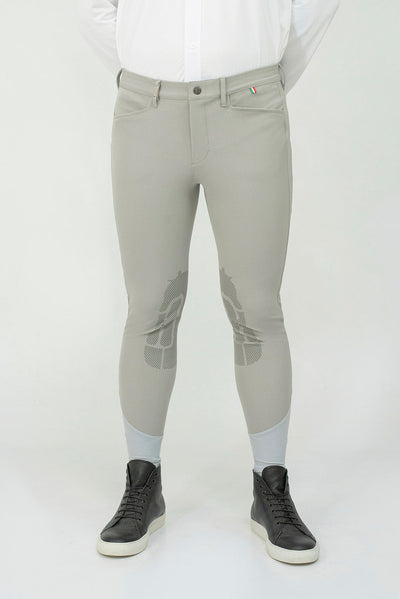
- Breeches ($120–$400): Two pairs minimum — one for training, one for competition.
- Horse rugs ($100–$400 each): You'll need at least a summer rug, a winter rug, and a rain rug. Horses destroy rugs — budget for replacements.
My honest advice on gear: buy quality, but don't buy everything at once. Start with a well-fitted saddle, a good bridle, a certified helmet, and two pairs of breeches. Add gear as you need it. The rider who shows up on day one with $10,000 of equipment and a poorly fitted saddle is worse off than the rider who starts with the essentials done properly.
The Annual Total
Here's a realistic annual budget for a recreational horse in Australia (2026 figures):
| Expense | Low End | High End |
|---|---|---|
| Agistment (paddock) | $2,600 | $15,600 |
| Feed and supplements | $2,000 | $6,000 |
| Farrier (8-weekly) | $700 | $1,600 |
| Veterinary (routine + emergency) | $600 | $3,000 |
| Dental | $150 | $300 |
| Gear (replacements) | $500 | $2,000 |
| Insurance | $0 | $500 |
| Total | $6,550 | $29,000 |
The reality for most Australian recreational riders is around $10,000-$15,000 per year. Competition riders spend more — add competition entries, transport, coaching, and premium gear.
Frequently Asked Questions
How much does it cost to own a horse per year in Australia?
Between $8,000 and $25,000+ per year for a recreational horse, depending on agistment type, feed costs, and veterinary needs. Competition horses cost significantly more. The purchase price is typically the smallest expense — agistment, feed, and farrier work make up the bulk of ongoing costs.
Is agistment or keeping a horse on your own property cheaper?
Keeping a horse on your own property is cheaper if you already own suitable land. But factor in the cost of fencing, shelter, water, pasture maintenance, and manure management. If you need to buy land specifically for a horse, the property cost dwarfs any agistment savings. For most people, agistment is the practical option.
What's the minimum budget for a first-time horse owner?
Budget $10,000 for the purchase and first-year gear, plus $8,000-$12,000 for the first year's ongoing costs. Keep a $2,000 emergency vet fund separate from your operating budget. If those numbers don't work, consider leasing a horse first — it's a good way to test whether ownership fits your lifestyle.
How can I reduce horse ownership costs?
Paddock agistment is cheaper than full board. Buy quality gear that lasts rather than cheap gear you replace. Learn to do basic care yourself — poulticing, wrapping, rugging, feeding. Stock up on hay when prices are good. And don't skip routine vet and dental work — prevention is cheaper than treatment.
Do I need horse insurance?
Equine mortality insurance costs roughly 3-5% of your horse's value annually. If your horse is worth $10,000+, insurance is worth considering — it covers death from illness, injury, or theft. Public liability insurance is also worth looking at if your horse could injure someone. Talk to an equine insurance specialist.
How much do farrier visits cost in Australia?
A trim costs $80-$120, front shoeing $120-$180, full shoeing $180-$250+. You'll need a farrier every 6-8 weeks, so budget $700-$1,600 per year minimum. Specialist or corrective shoeing costs more. Don't skip farrier visits to save money — neglected hooves cause lameness, and lameness costs far more than prevention.
What hidden costs catch first-time horse owners by surprise?
Emergency vet callouts (especially weekends), rug destruction, saddle fitting adjustments, transport to competitions, and the cost of your own riding gear (helets, boots, breeches, gloves). The horse itself is often the cheapest part. Build a spreadsheet with every recurring cost before you buy.
Shop Horse Gear at iRide EQ
Saddles, bridles, helmets, breeches, rugs, and supplements — everything you need for horse ownership, with free shipping over $249 Australia-wide.
Browse Horse Gear →