Quick answer: A sustainable horse ownership lifestyle in Australia means balancing the passion for riding with practical management of costs, time, and resources. This includes choosing the right agistment, creating routines that don't burn you out, building community connections, and investing in quality gear that lasts. Done well, you can ride and own horses for decades without burnout or financial stress.
Introduction
Horse ownership in Australia is a lifestyle choice, not a purchase. Whether you're agisting a horse in regional NSW, managing a property in Victoria, or boarding on the Gold Coast, the key to long-term enjoyment is sustainability—the ability to keep riding, caring for, and enjoying your horse without exhaustion or financial strain.
Sarah Mitchell has been riding competitively for over twenty years across multiple disciplines. She's agisted horses in harsh Australian summers, managed properties through drought and flood, and built a life around equestrian sport without sacrificing her career or wellbeing. In this guide, she shares what she's learned about sustainable horse ownership in the Australian context.
Sustainability isn't about luxury or having unlimited time and money. It's about working with your life, your budget, and your energy levels—then building a riding routine that actually sticks.

Daily horse care is the foundation of sustainable ownership—building routines that work with your life, not against it.
Choose Your Agistment Wisely
Agistment choice is the single biggest factor in sustainable horse ownership. The right agistment reduces stress, saves money, and keeps your horse healthy. The wrong one drains your energy every time you visit.
What to Look For
- Distance from home: Can you realistically visit 3–4 times per week? Australian agistments can be 30–90 minutes away. If it's longer than your commute tolerance, you'll skip visits.
- Facilities matching your discipline: Dressage riders need flat arenas; jumpers need appropriate jumps. A "nice" agistment with poor arena footing or no jump setup will frustrate you within months.
- Paddock quality: Inspect during dry season AND wet season. Ask the agistor about drainage, shelter, water quality, and fencing condition. Summer heat and winter mud are Australian facts—know what you're getting into.
- Community fit: Talk to existing agistees. Are they experienced, safety-conscious, and friendly? Isolation at an agistment (no one to ride with, no advice available) kills long-term commitment.
- Emergency protocols: What's the plan if your horse is injured or colics at 2am? Is there an equine vet on call? Can the agistor reach you instantly?
The Hidden Cost of "Saving Money"
Agistment at $150/week instead of $250/week sounds smart until you realise the cheap option is 90 minutes away, the arena floods in winter, and the agistor doesn't check water daily. You'll end up spending more on emergency vet calls, travelling time, and stress. Pick agistment for sustainability, not just price.
Build Routines That Work for Your Life
The riders who last decades aren't the ones riding six days a week. They're the ones who ride three or four days consistently, week after week, year after year. Burnout happens when your horse routine conflicts with your work, family, and mental health.
Three-Day-a-Week Model
This is the Australian default for a reason. Tuesday evening, Saturday morning, Sunday morning—or whatever fits your work schedule. Consistency matters more than frequency. A horse ridden three times weekly with good riding quality is fitter and healthier than one ridden intensely two days then ignored for five days.
The Reality of Australian Weather
Summer heat (35–40°C) means early morning or late evening rides. Winter mud in Queensland and NSW can make arenas unusable. Plan seasonal flexibility: summer dressage in the cool of dawn, winter jumping on the one good day per week. Accept that some weeks you'll ride twice, not three times. That's not failure—that's sustainability.
Your Life Comes First
If your horse routine is preventing you from seeing friends, staying fit, or managing work deadlines, it's not sustainable. The goal is for riding to add quality to your life, not subtract from it. A horse that you visit sporadically because you're burnt out is suffering more than a horse you skip a week because you needed rest.

Consistency over intensity: the three-day-a-week routine is the Australian standard for sustainable horse ownership.
Invest in Quality Gear—It Pays for Itself
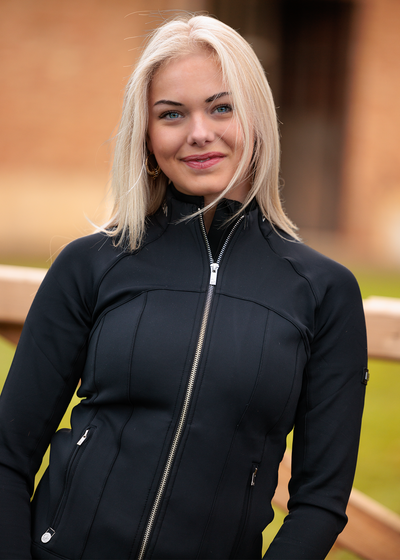
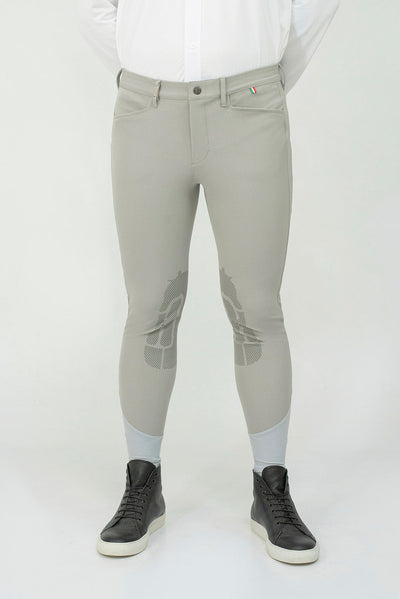
This seems backwards when you're budget-conscious, but cheap gear is expensive. A $300 pair of breeches that tears after one season costs more than a $600 pair that lasts five years. Quality bridles and saddles reduce vet bills (poor fit causes back pain and behaviour issues). Good riding helmets are non-negotiable for safety.
Gear Investment Strategy
| Gear Type | Spend Smart | Why |
|---|---|---|
| Saddle | $1,500–$3,500 (quality used ok) | Poor fit causes back injury, behavioural issues. A fitted saddle lasts 15+ years. |
| Helmet | $400–$800 | Your brain is priceless. AS/NZS 3838 certified only. Replace after every impact. |
| Bridle | $400–$700 | Quality leather lasts decades. Poor quality bridles break during rides. |
| Breeches | $250–$500 | Good breeches with reinforced seams survive training. Cheap ones tear in weeks. |
| Boots | $300–$600 | Comfort matters for every ride. Cheap boots cause blisters; quality leather molds to your foot. |
| Casual apparel | $100–$200 per item | Mid-range is fine. You don't need luxury, but cheap fabrics pill and fade fast. |
Pro tip: Buy quality saddles, bridles, and helmets used if budget is tight. Equestrian gear holds value well in Australia, and used tack has proven durability. Save new purchases for items that need to fit perfectly (breeches, boots) or for safety-critical gear (helmets must be new unless you know the impact history).
Build Community and Share Resources
The riders who thrive long-term aren't isolated. They have mates to ride with, advice when things go wrong, and people who understand why they're spending Saturday morning at the agistment instead of sleeping in.
Ways to Build Your Riding Community
- Find agistments with other riders: Riding buddies make the difference. You'll motivate each other, share cost of farrier and vet visits, and have someone to call if your horse is lame.
- Join local EA clubs or riding groups: Most regions have dressage, jumping, or eventing groups that organise clinics, social rides, and competitions. Start at local level even if you don't compete.
- Connect online: Australian equestrian Facebook groups, forums, and Instagram communities are full of helpful riders. Ask questions. Share your wins.
- Share costs where possible: Some agistments share farrier visit costs. Vet call-outs can be split if multiple horses need attention on the same day.

Manage the Mental Health Side
Horse ownership is emotionally intense. Vet bills, injuries, bad rides, competition nerves, the pressure to ride perfectly—it's a lot. Sustainable ownership means accepting that your horse relationship will have hard seasons alongside the good ones.
When to Push, When to Rest
- Minor setbacks: A horse with a small cut or a rider having a few bad jumping lessons? Work through it. These are normal.
- Major setbacks: Serious injury, chronic lameness, or your own burnout? Take a break. A month of lighter work or time off won't harm your horse and might save your mental health.
- Financial stress: If vet bills are causing real financial strain, talk to your vet. Payment plans exist. Some vets bulk-bill for routine care. Agistors understand hardship—many offer flexible rates in tough seasons.
The goal isn't to be the best rider or have the most competitive horse. The goal is to enjoy horses for decades. Sometimes that means taking a season off competition. Sometimes it means riding for pure fun instead of training for a goal. That's not quitting—that's sustainability.
Frequently Asked Questions
How much does it really cost to own a horse in Australia per month?
Agistment ($200–$400/week), farrier ($150–$200 every 8 weeks), vet routine ($100–$300/year), feed/hay ($50–$100/week), and gear maintenance/replacement ($50–$150/month average). Total: $1,500–$2,500/month depending on location and care level. Emergency vet bills can spike this significantly. Budget conservatively.
What's the difference between agistment and spelling a horse at home?
Agistment is paying someone else to provide paddocks, shelter, water, and fencing. Spelling at home means your property. Agistment costs money but saves property maintenance. Home spelling saves agistment fees but requires land, infrastructure, and daily care. Most Australian riders agist because property ownership is expensive and inflexible.
Is it okay to ride less in summer because of the heat?
certainly. Riding in 35°C heat is dangerous for both horse and rider. Early morning (5–7am) or late evening (5–7pm) riding is the Australian standard in summer. Some riders spell their horses for 4–6 weeks in peak summer. This is normal and healthy, not failure.
How do I know if my agistment is really sustainable long-term?
Ask yourself: (1) Can I afford it for the next 5 years without financial stress? (2) Can I realistically visit 3+ times per week? (3) Is the facilities standard good enough that my horse isn't developing behavioural issues? (4) Do I have friends there or can I make them? If you answer no to any of these, consider changing agistments.
What if my horse gets injured and I can't ride for months?
This happens to most horse owners at some point. If possible, stay involved in care and rehab—it keeps your bond strong and gives you purpose. Use the time to improve other skills (groundwork, lunging, stable management). Your horse will come back. Your relationship often comes back stronger.
Is competing necessary for sustainable horse ownership?
Not at all. Plenty of Australian riders own horses purely for recreation, trail riding, or training. Competition adds cost, travel time, and pressure. If you love it, compete. If you just want to ride, that's equally valid. Sustainable ownership is about riding in the way that makes you happy.
Build Your Sustainable Routine →
Start with quality foundational breeches, a certified riding helmet, and good boots from iRide EQ. Built to last and ready for seasons of Australian riding. Shop our full range of sustainable, durable equestrian gear — fast Australia-wide delivery on all orders.