Quick answer: The most cost-effective horse supplements in Australia are joint support, magnesium, and quality hoof supplements — they show measurable results. Skip expensive "superfood" blends and exotic herbs; focus on proven basics like glucosamine, MSM, biotin, and electrolytes. Budget-conscious riders can save 30–50% by buying direct from feed suppliers rather than specialty equestrian retailers.
Horse supplements are big business, and Australian riders face a genuine dilemma: a single bottle of premium joint supplement can cost $60–$150, and stabling costs are already brutal. But not all supplements are equal — some deliver real results, others are marketing fluff. If you're feeding a performance horse, an older horse with arthritis, or a young horse still in training, supplementation can genuinely extend soundness and reduce injury risk. The trick is knowing which ones justify the spend and which ones you can skip without guilt.
This guide breaks down what actually works for Australian horses on a tight budget, which supplements are worth the investment, and where you can find genuine savings without compromising your horse's health. We'll look at joint health, hoof quality, stress management, and digestive support — the four pillars that matter most to working horses.

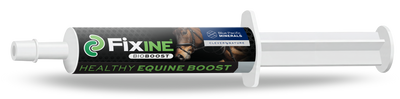
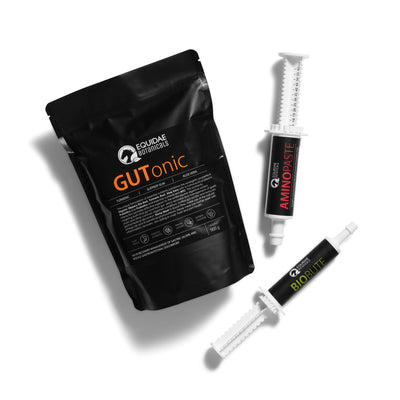
Quality supplements support joint health, hoof strength, and recovery in working horses.
Joint Support: The Non-Negotiable Investment
If you're going to spend money on a single supplement, make it joint support. A horse in work — whether dressage, jumping, eventing, or trail riding — experiences repetitive stress on tendons, ligaments, and cartilage. Joint supplements slow degeneration, reduce inflammation, and can literally add years of soundness to your horse's career.
The gold standard is glucosamine and chondroitin — both backed by peer-reviewed research showing they slow cartilage breakdown and support synovial fluid production. MSM (methylsulfonylmethane) is a close second; it's an organic sulfur compound that reduces inflammation and supports collagen synthesis. Together, glucosamine + MSM costs around $40–$60 per month in Australia, which is genuinely affordable.
Higher-end formulas add hyaluronic acid or boswellia serrata (a herbal anti-inflammatory). These help, but if budget is tight, skip them — glucosamine and MSM alone will do 80% of the work.
Where to Save on Joint Supplements
- Buy human-grade supplements and halve the dose: Human glucosamine tablets (1500mg) are 20–30% cheaper per gram than equine brands. Halving a human dose works fine for a 500kg horse. Not glamorous, but it works.
- Direct from feed suppliers: Rural co-ops and feed mills (not pet shops) sell bulk joint supplement powder at wholesale prices. Ask your local feed supplier — they often stock unlabeled, generic versions of major brands for $25–$35/month.
- Buy in bulk off-season: Many Australian tack shops discount supplements in winter (June–August). Stock up for six months and save 20%.
Biotin and Hoof Health: The Underrated Win
Hoof health determines rideability. A horse with poor hoof quality is lame, sore, and prone to thrush, white line disease, and abscesses. Biotin (vitamin B7) strengthens the keratin structure of the hoof wall and has solid research behind it — multiple studies show 12–20mg daily improves hoof quality within 3–6 months.
The catch: it takes time. Results aren't visible for months, so riders often abandon it too early. Stick with it for at least 6 months before deciding it isn't working. Preparing for competition requires a complete strategy — hoof health is just one piece.
A good biotin supplement costs $20–$40 per month. Look for formulas that combine biotin with methionine and lysine (amino acids that support hoof protein synthesis). Riders on the competition circuit across Australia often swear by supplemental biotin — it's one of the few supplements that visibly improves hoof growth and quality.
Budget Hoof Strategy
Good supplementation supports your overall sustainable horse ownership lifestyle. Combine supplements with smart budget choices in other areas.
- Generic biotin powder: Bulk biotin powder from health shops (human version) costs $15–$20/month. Dose: 15–20mg daily mixed into feed.
- Combination with farrier care: Good hoof care (proper trimming, good farrier, regular work) matters more than supplements. Don't spend $100/month on fancy hoof blends if you're only shoeing every 8 weeks.

Strong hooves start with good supplementation, regular trimming, and consistent care.
Magnesium and Stress Management: The Calming Supplement
Australia's heat, transport stress, competition nerves, and stable environments can trigger chronic anxiety in horses. Magnesium is a natural relaxant — it regulates neuromuscular function and reduces cortisol (stress hormone) production. Research shows magnesium-supplemented horses are calmer, more responsive, and less reactive.
Good news: magnesium is cheap. A month's supply costs $15–$30. Look for chelated magnesium (better absorption) rather than oxide or sulfate. Dose: 10–15g daily for a 500kg horse.
If you're training a young horse, competing regularly, or have a naturally anxious horse, magnesium is worth every dollar. Many Australian eventers and jumpers use it as a competition-day supplement — no doping concerns, quick results.
Pro tip: During Australian summer or high-stress periods (competitions, travel, farrier work), increase magnesium intake to 15–20g daily. Heat exhaustion and stress both deplete magnesium, so topping up prevents electrolyte imbalances and muscle tightness.
Electrolytes: Essential in Australian Heat
Australia's climate — especially inland and in summer — means horses lose massive amounts of electrolytes through sweat. Sodium, potassium, and chloride regulate muscle function and hydration. Without replacement, horses become dehydrated, tied-up, and fatigued faster.
Electrolyte powders are non-negotiable if you're riding regularly in heat, competing, or doing endurance work. Cost: $20–$40/month for good brands.
Skip fancy "performance" blends. A basic sodium-potassium-chloride formula (with maybe some magnesium) is all you need. Australian-made Horse Pilot and other European brands do solid electrolyte products, but honestly, a generic racing electrolyte works just fine and costs half the price.
What NOT to Buy: Save Your Money Here
Some supplements are pure marketing. Here's what to skip:
- Exotic superfoods (spirulina, moringa, acai): Zero evidence they improve equine performance. They're 50–100% markup for no real benefit. Save $30–$50/month by skipping these.
- Collagen supplements: Your horse makes collagen from amino acids. Supplemental collagen is expensive and largely indigestible. Better to feed quality protein (hay, grains).
- Selenium blends (unless your area is deficient): Most Australian pastures have adequate selenium. Excess selenium is toxic. Skip unless your vet confirms deficiency.
- Probiotics ("gut health" formulas): Most are killed during manufacturing or digestion. A good forage diet is worth more than any probiotic. Unless your horse has specific digestive issues, save the $40–$60/month.
- Herbal "performance" mixes: Rhodiola, ashwagandha, ginseng — all expensive, none have equine-specific research. Marketing labels that cost $80+/month for unproven benefits.

Supplement Comparison Table: Budget vs. Premium
| Supplement | Budget Option (AUD/month) | Premium Option (AUD/month) | Worth Premium? |
|---|---|---|---|
| Joint Support (Glucosamine + MSM) | $35–$45 (bulk powder) | $80–$120 (branded liquid) | No — same active ingredients |
| Biotin (Hoof Health) | $15–$25 (human supplement) | $45–$65 (equine brand) | No — biotin is biotin |
| Magnesium | $15–$22 (chelated powder) | $40–$60 (branded paste) | No — basic chelated works |
| Electrolytes | $20–$30 (generic formula) | $50–$80 (equine-specific) | No — same minerals, higher markup |
Frequently Asked Questions
Can I just feed good hay and skip supplements?
Possibly, if your horse is young, healthy, and in light work. But if you're riding regularly, competing, or your horse is aging, supplements address specific gaps — especially joint support and biotin. Australian hay (often weather-dependent) may lack consistent mineral content. Supplements are insurance, not replacement for good feeding.
Are human supplements safe for horses?
Yes, for most vitamins and basic supplements like biotin, glucosamine, and magnesium. Dosage matters — never give a 500kg horse a human adult dose, but halving or adjusting for body weight is safe. Always avoid horse-specific toxins (chocolate, avocado, NSAIDs meant for humans). When in doubt, ask your vet.
How long does it take to see results from supplements?
Joint supplements: 6–8 weeks for inflammation reduction, but full cartilage support takes 3–6 months. Biotin: 3–6 months (slow hoof growth). Magnesium: 2–3 weeks. Electrolytes: same day. Don't give up on joint support early — patience is required.
Is it worth buying Australian-made supplements?
Australian-made supplements are solid and support local business, but they're not inherently superior to imported equivalents. Check the active ingredient list and dosage — that matters more than the brand. If price is similar, Australian brands are great for supporting the equestrian community. If there's a 50% markup, generic is fine.
What if my horse won't eat supplements?
Most horses accept supplements mixed into feed or molasses. If yours refuses, try powder forms mixed into wet beet pulp, chaff, or grain. Liquid supplements can be syringe-fed (less pleasant but effective). Never mix supplements into water — they'll settle to the bottom. Work with your horse's preferences, but consistency matters more than the format.
Do I need a vet to prescribe supplements?
No — supplements are not prescription. But a vet can assess your horse's specific needs (bloodwork for deficiencies, joint evaluation for arthritis, etc.) and recommend targeted supplementation. Budget vets often charge $50–$100 for this advice, which can save you hundreds in wasted supplements. Worth doing annually.
Shop Horse Care & Supplements at iRide EQ →
Browse our full range of quality supplements, joint support, biotin, and electrolyte products — all tested and trusted by Australian riders. Fast Australia-wide delivery on all orders.