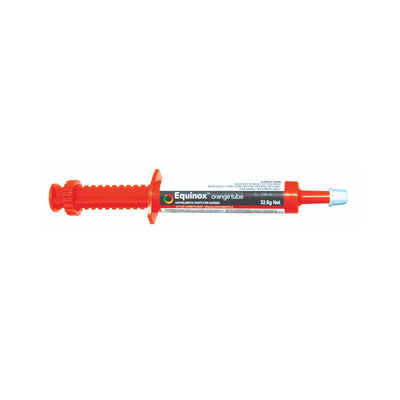
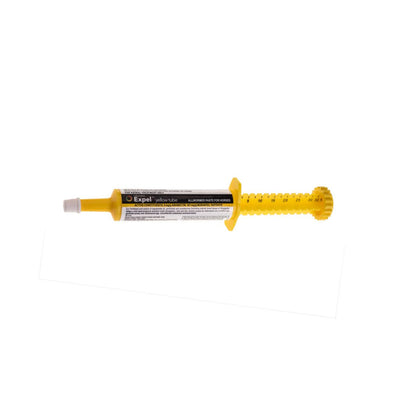
Quick answer: Australian horses should be wormed every 8-12 weeks as a baseline, but the best approach is faecal egg count (FEC) testing to worm only when needed and rotate between chemical classes to prevent resistance. Key worm species in Australia include large strongyles, small strongyles (cyathostomins), tapeworms and bots. Always consult your vet for a tailored program.
Worming is one of the most misunderstood aspects of horse care in Australia. Unlike the United Kingdom and Europe, where cool, damp climates favour year-round parasite transmission, Australia's vast range of climates — from the tropical north to the temperate south — means a one-size-fits-all worming schedule simply doesn't work. If you're stocking up on essentials, browse our full range of horse health supplements and care products to keep your equine partner in peak condition.
The traditional approach of "worm every six weeks regardless" is not just outdated — it's actively harmful. Over-worming accelerates the development of chemical resistance in parasite populations, a problem that's now reaching crisis levels on Australian horse properties. The modern, evidence-based strategy is to use faecal egg count (FEC) testing to identify which horses actually need treatment, then rotate between different chemical classes to slow resistance. This targeted approach protects your horse today and preserves effective wormers for the future.
In this guide, we'll walk through the key worm species affecting Australian horses, how FEC testing works, the chemical classes available and how to rotate them, a state-by-state seasonal calendar, and the growing threat of resistance. Whether you're managing a single pony or a large agistment property, this guide will help you build a smarter, more sustainable worming program.

A vet-guided worming program is the gold standard — faecal egg counts let you target treatment where it's actually needed.
Australian Horse Worms — Know Your Enemy
Before you can build an effective worming program, you need to understand the parasites you're fighting. Australia's horse worm landscape shares many species with the rest of the world, but the climate-driven patterns of transmission are distinctly different. Here's a breakdown of the major culprits.
Large Strongyles (Strongylus vulgaris)
Once the most deadly of equine parasites, large strongyles — particularly Strongylus vulgaris — cause damage to the arteries supplying the intestines, leading to colic and potentially fatal thromboembolism. The good news is that modern wormers, especially ivermectin and moxidectin, have dramatically reduced their prevalence on Australian properties. However, they haven't been eradicated, and a lapse in your worming program can allow them to rebound. Their lifecycle is long — around 6-7 months — which means they're particularly vulnerable to strategic dosing timed to interrupt development.
Small Strongyles (Cyathostomins)
Small strongyles, or cyathostomins, are now the most significant parasite problem in Australian horses. They encyst (burrow into the gut wall) and can remain dormant for months or even years, emerging en masse in late winter or early spring. This mass emergence — known as larval cyathostominosis — can cause severe, sometimes fatal diarrhoea and weight loss. Cyathostomins are also the parasites most affected by chemical resistance, with widespread resistance to benzimidazoles and emerging resistance to pyrantel. Moxidectin is currently the most effective active against encysted larvae, but it must be used judiciously to preserve its efficacy.
Tapeworms (Anoplocephala perfoliata)
Tapeworms attach to the ileocaecal valve — the junction between the small intestine and caecum — and can cause inflammation, ulcers and a significantly increased risk of spasmodic colic. They're particularly prevalent in horses grazing on pastures with high oribatid mite populations, which serve as the intermediate host. Because tapeworm eggs are shed intermittently and in low numbers, they're easily missed on standard FEC testing. Praziquantel is the most effective treatment, often combined with ivermectin or moxidectin in all-in-one paste formulations. A tapeworm-specific dose in autumn is recommended for most Australian properties.
Bots (Gasterophilus species)
Bots are the larvae of bot flies, which lay eggs on the horse's coat — typically on the legs, chest and jaw — during late summer and autumn. The horse licks or bites the eggs, which then migrate to the stomach, where they attach and develop over winter before being passed in the spring. While bots rarely cause serious disease, heavy burdens can cause stomach irritation and ulceration. Ivermectin and moxidectin are effective against bots, and a single dose after the first frost (or in late autumn/early winter in Australia) breaks the cycle. Removing bot eggs from the coat with a bot knife is a useful non-chemical control.
The Case for Faecal Egg Count Testing
Faecal egg count (FEC) testing is the cornerstone of modern, sustainable parasite control. Instead of blindly worming every horse on a schedule, FEC testing lets you see exactly which horses are shedding significant numbers of worm eggs — and treat only those that need it. This approach is better for your horse, better for your wallet, and crucial for slowing the development of chemical resistance.
How FEC Testing Works
An FEC test involves collecting a small sample of fresh manure and sending it to a veterinary laboratory, where a technician counts the number of worm eggs per gram of faeces (epg). The result tells you whether your horse has a low, moderate or high worm burden. Horses with fewer than 200 epg are considered low shedders and typically don't need treatment, while those above 500 epg are high shedders that should be wormed. Most Australian equine vets and many agricultural laboratories offer FEC testing, with results usually available within 2-5 days. Some practices also offer tapeworm-specific testing (ELISA antibody tests) since tapeworm eggs are hard to detect on standard FEC.
The 80/20 Rule of Parasite Burden
Research consistently shows that in any herd of horses, roughly 20% of animals carry 80% of the parasite burden. These "high shedders" have weaker natural immunity and continue to shed high egg counts even after treatment. Identifying these individuals through FEC testing allows you to target them with more frequent monitoring and treatment, while leaving the low shedders untreated — dramatically reducing the overall chemical pressure on your property's parasite population. This selective treatment approach is now recommended by equine parasitologists worldwide and is increasingly adopted by Australian veterinarians.
When to Test
For most Australian horse properties, FEC testing should be done 2-4 times per year, depending on climate and stocking density. Test in early spring (before the warm-season transmission begins), mid-summer, and again in autumn. Always test before worming to establish a baseline, and consider a follow-up FEC 10-14 days after treatment (a "faecal egg count reduction test" or FECRT) to check whether the wormer actually worked — this is your early warning system for resistance.
Worming Product Classes and Rotation
Not all wormers are created equal. Each chemical class targets different parasites in different ways, and rotating between classes is essential to prevent resistance. Here's a breakdown of the four main classes available in Australia.
The Four Chemical Classes
| Chemical Class | Active Ingredients | Target Parasites | Notes |
|---|---|---|---|
| Macrocyclic Lactones (MLs) | Ivermectin, Moxidectin | Large & small strongyles, bots, some ectoparasites | Moxidectin effective against encysted cyathostomin larvae. Resistance emerging in some regions. |
| Benzimidazoles (BZs) | Fenbendazole, Oxfendazole | Large & small strongyles, pinworms | Widespread resistance in cyathostomins. Use only after FECRT confirms susceptibility. |
| Tetrahydropyrimidines | Pyrantel | Large & small strongyles, pinworms, tapeworms (double dose) | Moderate resistance reported. Double dose needed for tapeworms. |
| Praziquantel | Praziquantel (often combined with MLs) | Tapeworms | The most effective tapeworm treatment. Usually found in combination products. |
How to Rotate
Rotation means using a different chemical class for each worming treatment (or at least each season), rather than reaching for the same product every time. A common Australian rotation strategy is to use a macrocyclic lactone (ivermectin or moxidectin) in spring, a benzimidazole or pyrantel in summer (if FEC indicates treatment is needed), a macrocyclic lactone with praziquantel in autumn for tapeworm control, and a moxidectin-based product in winter for encysted cyathostomin larvae. The key principle is to avoid using the same active ingredient consecutively, which selects strongly for resistance. However, rotation alone isn't enough — it must be combined with FEC testing and good pasture management to be truly effective.

Good stable hygiene — regular mucking out and manure removal — works alongside your worming program to reduce worm burden.
Seasonal Worming Calendar for Australia
Australia's climate diversity means worming schedules must be tailored to your region. The parasite transmission patterns in Far North Queensland are vastly different from those in Tasmania or the Snowy Mountains. Below is a state-by-state seasonal guide, but remember — these are starting points, not gospel. Always confirm with FEC testing and your vet.
State-by-State Guide
Queensland & Northern Territory (Tropical/Subtropical): Warm, humid conditions favour year-round parasite transmission, with peak activity in the wet season (December-March). FEC testing every 8-10 weeks during the wet season is recommended. Bot fly activity is intense in late summer — schedule a bot dose in May-June. Tapeworm treatment in autumn remains important.
New South Wales & ACT (Temperate): Distinct seasonal patterns with peak transmission in spring and autumn. FEC testing in early spring (September), mid-summer (January), and autumn (April). Cyathostomin emergence risk peaks in late winter — consider moxidectin for encysted larvae in July-August. Bot dose in June.
Victoria & Tasmania (Cool Temperate): Shorter warm season means lower winter transmission. Test in spring (October), summer (January) and autumn (April). The larval cyathostominosis risk is highest in late winter/early spring after a cold, wet winter. Moxidectin in August-September targets encysted larvae. Tapeworm dose in May.
South Australia (Mediterranean): Dry summers reduce pasture transmission, but winter-spring activity is significant. Test in spring (September), and autumn (April). Bot dose in June-July. Summer drenching may be less critical due to dry conditions, but always verify with FEC.
Western Australia (Varied): The south-west mirrors SA's Mediterranean pattern, while the north is tropical. Test according to your local climate zone. In the south-west, peak transmission is winter-spring. In the Kimberley and Pilbara, follow tropical protocols similar to Queensland.
Seasonal Calendar Table
| Season | Northern Australia (QLD/NT/Tropical WA) | Southern Australia (NSW/VIC/TAS/SA/Southern WA) |
|---|---|---|
| Summer (Dec-Feb) | Peak transmission — FEC every 8-10 weeks. ML-based wormer if needed. Bot eggs present on coat — remove daily. | Moderate risk. FEC in January. BZ or pyrantel if elevated counts. Maintain pasture hygiene. |
| Autumn (Mar-May) | FEC in April. Tapeworm dose (praziquantel combination). Continue bot egg removal. | Peak autumn transmission. FEC in April. Tapeworm dose with praziquantel combination product. |
| Winter (Jun-Aug) | Bot dose (ivermectin/moxidectin) in June-July. Lower transmission in dry winter — FEC to confirm. | Bot dose in June-July. Moxidectin for encysted cyathostomins in July-August. Cyathostominosis risk peaks. |
| Spring (Sep-Nov) | FEC in September. ML-based wormer if needed. Monitor for cyathostomin emergence. | FEC in September-October. Spring emergence of encysted larvae — watch for diarrhoea/weight loss. ML-based treatment if indicated. |
Signs Your Horse May Have a Worm Burden
While FEC testing is the gold standard for identifying worm burdens, knowing the physical signs can help you catch problems between tests or in horses that slip through the monitoring schedule. Here are the key indicators to watch for.
Weight Loss and Poor Condition
Unexplained weight loss or a dull, rough coat despite adequate feeding is one of the most common signs of a significant worm burden. Large strongyles and cyathostomins damage the intestinal lining, reducing nutrient absorption. If your horse is losing condition and you've ruled out dental issues, feeding problems and other disease, worms should be on your differential list. A FEC will quickly confirm or rule out parasites as the cause.
Colic and Abdominal Pain
Tapeworms are a well-recognised cause of spasmodic colic, while migrating large strongyle larvae can cause more serious colic through arterial damage. If your horse has recurring, seemingly unexplained colic episodes — especially spasmodic colic — consider tapeworm treatment and an FEC. Cyathostominosis (mass emergence of encysted larvae) can cause severe colic, often accompanied by profuse diarrhoea, and is a veterinary emergency.
Diarrhoea and Tail Rubbing
Persistent or recurrent diarrhoea, particularly in late winter or early spring, may signal larval cyathostominosis. This is a serious condition requiring immediate veterinary attention. Tail rubbing, on the other hand, is more commonly associated with pinworms (Oxyuris equi), which cause irritation around the anus. Pinworms are increasingly resistant to standard wormers, so confirm with your vet before treatment. Other signs to watch include a pot-bellied appearance in young horses, lethargy, poor performance, and a failure to thrive in foals.
Resistance — The Growing Problem
Anthelmintic resistance is the single biggest threat to effective parasite control in Australian horses. When worms survive a dose of wormer and pass their genes to the next generation, they create a resistant population that's increasingly difficult — and eventually impossible — to control with available chemicals. We're already seeing this with benzimidazoles, where resistance in cyathostomins is so widespread that the class is essentially useless on many properties without prior resistance testing.
Why Resistance Develops
Resistance develops through natural selection. Every time you worm, the susceptible worms die and the resistant ones survive. If you worm frequently and with the same chemical class, you're repeatedly selecting for resistance — essentially breeding a population of super-worms. The old strategy of "interval dosing" (worming every 6-8 weeks regardless of need) is a perfect recipe for accelerating resistance. Under-dosing — giving less than the full weight-based dose — also contributes, as it exposes worms to sub-lethal levels that select for tolerance without killing them.
What You Can Do About It
The most powerful tool against resistance is simply to worm less. By using FEC testing to identify and treat only high shedders, you dramatically reduce the chemical pressure on your parasite population. This leaves "refugia" — a population of worms that haven't been exposed to the wormer, diluting the resistant genes. Rotating chemical classes slows resistance by ensuring no single selection pressure dominates. Conducting a FECRT (testing 10-14 days post-treatment) confirms whether your wormer is still working — if egg counts haven't dropped by at least 90-95%, you have resistance and need to change your approach. Good pasture management — rotational grazing, mucking out, and avoiding overstocking — reduces reliance on chemicals entirely.
The Refugia Concept
Refugia is the proportion of the worm population not exposed to treatment at any given time — worms on the pasture, in untreated horses, and in encysted stages. The larger the refugia, the more dilution of resistant genes. This is why treating every horse on the property simultaneously with the same product is counterproductive: it eliminates refugia and maximises resistance selection. By leaving low-shedding horses untreated, you maintain a reservoir of susceptible worms that mate with resistant ones, slowing the spread of resistance. It's a counterintuitive but scientifically proven strategy — and it's the future of sustainable worm control.
Pro tip: The most important resistance-management tool you have is a faecal egg count reduction test (FECRT) — collecting a sample before worming and again 10-14 days after. If egg reduction is less than 95%, your worms are resistant to that chemical class and you need to switch actives immediately. Most Australian horse owners have never done one, yet it's the only way to know your wormer is actually working.
Frequently Asked Questions
How often should I worm my horse in Australia?
The traditional advice was every 6-8 weeks, but modern best practice is to use faecal egg count (FEC) testing 2-4 times per year and worm only when egg counts are elevated (typically above 200-500 epg). Most Australian horses only need 2-3 worming treatments per year when managed this way. A baseline of every 8-12 weeks applies if you're not doing FEC testing, but this approach accelerates resistance.
What is the best wormer for horses in Australia?
There's no single "best" wormer — it depends on which parasites you're targeting and resistance on your property. Macrocyclic lactones (ivermectin, moxidectin) are the most broadly effective, but rotation with pyrantel and praziquantel (for tapeworms) is essential. Moxidectin is the most effective against encysted cyathostomin larvae. Always confirm efficacy with a faecal egg count reduction test.
Can I use cattle wormers on my horse?
No. Cattle wormers often contain different active ingredients or concentrations that are unsafe or ineffective for horses. Some cattle products contain actives that are toxic to horses, and dosing is calibrated for cattle weight and metabolism. Always use a wormer specifically registered for horses, and dose accurately based on your horse's actual weight using a weigh tape or scales.
When should I treat for bots in Australia?
Bot fly activity peaks in late summer and autumn across most of Australia. Treat with ivermectin or moxidectin after the first significant cold snap or in late autumn/early winter (May-July depending on your region), when bot fly activity has ceased and larvae are in the stomach. Removing bot eggs from the coat with a bot knife throughout autumn is an excellent non-chemical control measure.
How do I know if my wormer is still working?
The only reliable way is a faecal egg count reduction test (FECRT). Collect a manure sample for FEC testing immediately before worming, then collect another sample 10-14 days after treatment. If the egg count has dropped by at least 90-95%, the wormer is effective. If reduction is less than 90%, you have resistance and should switch to a different chemical class. This test should be done for each chemical class you use, at least once every 2-3 years.
Is it safe to worm a pregnant or lactating mare?
Most modern horse wormers (ivermectin, moxidectin, pyrantel, praziquantel) are considered safe for pregnant and lactating mares when used at the correct dose. However, always consult your veterinarian before worming a pregnant mare, especially in the first trimester. Fenbendazole is generally considered safe in pregnancy. Avoid unnecessary treatments — use FEC testing to ensure treatment is actually needed.
Shop Horse Health Products at iRide EQ
Browse our full range of horse health supplements and care products — vet-recommended options for Australian horses. Fast Australia-wide delivery on all orders.