Quick answer: You cannot force a horse to shed its winter coat overnight, and aggressive scraping is more likely to irritate the skin than speed up the process. The safest spring routine is short, frequent grooming with the right brush, a daily skin check, sensible bathing once the weather is warm enough, and veterinary advice if shedding is patchy, delayed or linked with weight loss, itching or skin changes. In Australian spring, daylight triggers coat change, but climate, rugging, health and workload all affect how quickly it happens.
There is a point every spring when the grooming kit looks like it has been attacked by a furry orange cloud. Your horse is shedding tufts into the wash bay, across the saddle pad and, somehow, inside your pockets. The temptation is to reach for the harshest tool in the box and try to get the whole winter coat off in one session.
Resist that urge. A horse’s coat is not a layer of dead material that can simply be stripped away. It is part of the skin’s protection and temperature-control system. A better plan is to help loosen hair gradually while you watch what is happening underneath. A good pair of grooming brushes, a clean horse rug routine and a little patience will do more than an exhausting once-a-week attack with a metal tool.

Spring grooming is about helping the coat change without upsetting the skin underneath.
What actually makes a horse shed its winter coat?
Longer daylight is the main seasonal signal. As the days lengthen, the horse’s body begins changing the growth cycle of the hair coat. Temperature matters too, but it is not the only trigger. That is why a horse can begin shedding during a chilly late-winter spell, while another remains woolly into a warm spring.
Australian conditions make the pattern even less predictable. A horse in Tasmania or the Southern Highlands may carry a heavier coat for longer than one in coastal Queensland. A clipped competition horse follows a different routine from a retired pony living out. Rugging, stable time, body condition and the horse’s individual biology all play a part.
So the goal is not to “make” the coat shed. It is to remove loose hair as it becomes ready, keep the skin clean enough to inspect and avoid creating heat, friction or soreness. If the horse is comfortable, eating normally and shedding evenly, a slow change is usually just that: a normal seasonal change.
How should you groom a horse that is shedding?
Start with a calm, dry horse and work in small areas. A rubber curry or grooming mitt can loosen dust and hair on the larger muscle groups, but use a lighter touch over the ribs, flank, belly and bony areas. Follow with a body brush to lift the loosened material away. The point is to keep the brush moving, not to press until the skin turns pink.
For a horse dropping a thick coat, a purpose-made deshedding tool can be useful on the neck, shoulder and hindquarters. It is not a licence to scrape repeatedly over the same patch. Stop if the horse swishes, pins an ear, steps away or shows signs that the pressure is uncomfortable. A grooming session that ends before the horse becomes defensive is far more useful than one that leaves both of you frustrated.
- Begin with a soft look-over: check for rubs, scurf, scabs, lumps, ticks and areas that feel warmer than the surrounding skin.
- Loosen before brushing: use a flexible curry or mitt on suitable areas, following the direction of the hair.
- Finish with a body brush: use long strokes to lift hair and dust away from the coat.
- Clean the tools: shake or wash brushes regularly so you are not rubbing yesterday’s dirt back into the skin.
A quality horse grooming brush does not need to be complicated. I would rather have one comfortable curry, a useful body brush, a mane-and-tail brush and a hoof pick that are cleaned often than a box packed with tools that never get used properly.
Which shedding tools are worth using?
There is no single “best” shedding tool for every horse. Coat type and skin sensitivity matter more than the marketing on the packaging. A thick-coated cob may enjoy a firm rubber curry. A fine-skinned Thoroughbred may tolerate only a soft mitt and gentle body brush. Start conservatively, then adjust based on the horse in front of you.
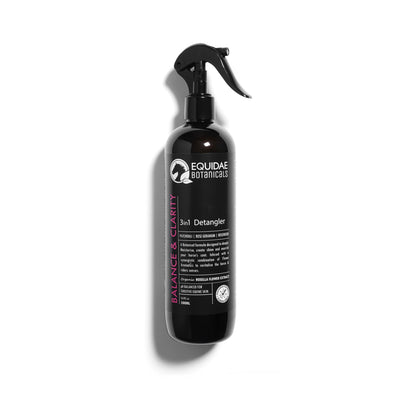
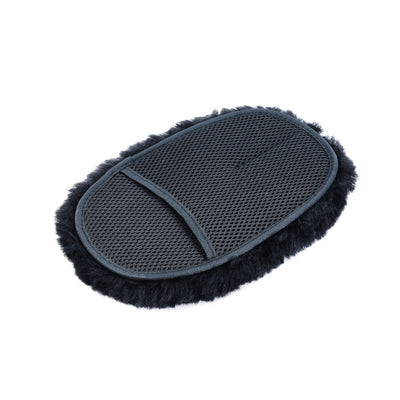
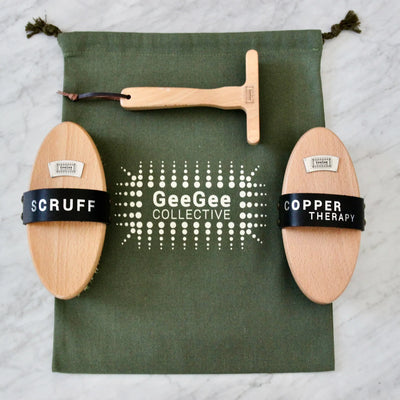
The live iRide EQ grooming range includes options such as the GeeGee COLLECTIVE Equine Ultra DeShedder, the Black Merino Wool Multi Mitt and the Fleeceworks Grooming Mit. Those names describe available products, not a promise that every horse will prefer them. Read the product instructions and introduce any new tool on a less sensitive area first.

As stocked at iRide EQ.

As stocked at iRide EQ.

As stocked at iRide EQ.
| Tool | Useful for | Watch out for |
|---|---|---|
| Rubber curry | Loosening dust and loose hair on larger muscle areas | Too much pressure over ribs, legs or irritated skin |
| Soft grooming mitt | Light grooming and horses that dislike stiff brushes | Dragging over scabs, sores or tangled hair |
| Deshedding tool | Removing loose undercoat when the hair is ready to lift | Repeated scraping or use on sensitive areas |
| Body brush | Finishing the coat and removing fine dust | Dirty bristles that spread grime |
Do not use a metal curry comb on the horse’s body as if you were cleaning a muddy pair of boots. Metal tools can be useful for cleaning brushes, but the skin is not the place to test how much force a tool can take.

A close inspection while brushing can reveal skin problems before they become bigger problems.
How often should you groom during spring shedding?
The rider's take: I learned this the messy way with a chestnut who decided to shed the week before an Ag show. Two short grooming sessions worked better than one marathon session: the first loosened the coat, and the second the next morning lifted what was ready to come away. The metal curry stayed in the kit, and my horse stayed relaxed.
For a horse in regular work, ten to fifteen minutes most days is a sensible starting point. That is enough time to remove sweat and dust after exercise, loosen some hair and check the skin without turning grooming into a wrestling match. During a heavy shed, you can add a second brief session if the horse enjoys it and the skin remains comfortable.
Groom before riding if the coat is dusty, especially under the saddle and girth area. Groom after work once the horse has cooled, paying attention to dried sweat. If the horse is wet, muddy or already irritated, wait for the coat to dry and use your hands to assess the skin rather than scrubbing blindly.
Bathing can help remove loose hair, but spring weather is not automatically bathing weather. A cold, windy afternoon is a poor time to soak a horse simply because the coat is shedding. Choose a warm day, use a horse-safe shampoo when needed, rinse thoroughly and dry the horse properly. Frequent shampooing can strip the skin’s natural oils and may make a sensitive horse feel worse.
What skin and health problems can look like a shedding problem?

Normal shedding tends to be fairly even, although some horses look scruffier than others for a few weeks. Patchy hair loss, persistent rubbing, crusts, bald spots, a dull coat or a horse that seems unusually uncomfortable deserves closer attention. So does a coat that does not change as expected alongside weight loss, lethargy, increased drinking or changes in appetite.
Do not diagnose a hormonal or skin condition from a grooming brush. A delayed or abnormal coat change can have several possible causes, including parasites, dermatological disease, nutrition issues or endocrine problems. Record what you are seeing, take clear photographs and speak with your veterinarian if you are concerned.
Spring is also a useful time to review the rest of the care routine. Check the horse’s hooves, inspect rugs for rubbing, clean sweat-prone areas and keep grooming equipment individual if horses share a property. If your horse is prone to mud-related skin irritation, avoid trapping dampness beneath rugs and ask your veterinarian about a suitable management plan. The horse health and first aid range can help you organise practical stable supplies, but products are not a substitute for veterinary advice.

A seasonal health check matters if coat changes come with itching, weight loss or other concerns.
Should you change feed or supplements to speed up shedding?
Not just because the calendar says spring. A balanced diet, constant access to clean water and an appropriate workload support general health, but adding a random coat supplement will not instantly remove a winter coat. Review the whole ration with your veterinarian or equine nutrition professional if the coat is dull, the horse is losing condition or there are other changes.
Be especially careful with supplements marketed around shine, shedding or “detox”. Check ingredients, feeding directions and competition considerations. If a horse competes under EA rules, keep records of anything fed and check current rules and product advice rather than assuming a natural ingredient is automatically competition-safe. The coat health and horse supplements collections are useful places to compare categories, but the right choice depends on the horse’s diet and veterinary context.
For most healthy horses, the unglamorous basics win: enough forage, a suitable ration, clean water, movement, shade or shelter and regular observation. The glossy finish comes later. Usually, it arrives just after you have swept the wash bay.
Frequently Asked Questions
How long does a horse take to shed its winter coat?
It varies by horse, climate, coat type, daylight, rugging and health. Some horses look mostly through within a few weeks, while others change gradually over several months.
Can I clip my horse to stop shedding?
Clipping can be appropriate for some horses in work, but it changes the horse’s protection from weather and requires a suitable rugging and monitoring plan. Discuss the timing and clip pattern with an experienced professional.
Is a metal curry comb safe for shedding?
Metal curry combs are generally better used for cleaning brushes. For the horse, choose a tool suited to the coat and use gentle pressure, avoiding the face, legs, spine and irritated skin.
Why is my horse shedding in patches?
Patchy hair loss can have several causes, including rubbing, parasites, skin disease or other health issues. Do not assume it is normal shedding if the horse is itchy or sore; ask your veterinarian.
Should I bathe my horse during spring shedding?
Bathing can remove loosened hair on a warm day, but it is not essential and should not be done in cold or windy conditions. Rinse shampoo well and dry the horse fully.
Does grooming make a horse shed faster?
Grooming removes hair that is already loose and helps you monitor the skin. It does not override the horse’s natural coat cycle, so frequent gentle sessions are safer than forceful scraping.
What should I do if my horse seems unwell while shedding?
Contact your veterinarian if shedding is accompanied by weight loss, lethargy, skin lesions, persistent itching, appetite changes, increased drinking or any other health concern.
Build a calmer spring grooming routine
Find practical grooming essentials, horse health supplies and rug accessories for the seasonal change at iRide EQ.
Shop grooming essentials