Quick answer: There is no universal temperature that tells you when to put a summer sheet on a horse. In Australian summer, assess the horse, humidity, sun, wind, coat, health and access to shade; use a sheet only for a clear individual need, then check for heat, dampness and rubbing.
The rider's take: My practical rule is to decide from the horse in front of me, not the calendar or a thermometer alone. If a sheet leaves the horse warm or damp underneath, it is time to remove it and reassess the setup.
Australian summer can mean a cool southerly in the morning, strong sun by lunchtime and humid conditions after rain. That makes the question of horse rugs less about following a fixed rule and more about matching the layer to the horse and the conditions. A healthy horse with shade and a good coat may need no summer sheet at all.
RSPCA Australia advises that rugging is individual. Domestic horses should have access to shelter, but that does not mean every horse needs a rug. A sleek summer coat reflects sunlight, while a layer can restrict air movement and the evaporation of sweat. If you are unsure because of a medical condition, ask your veterinarian rather than trying to solve it with a heavier or more persistent sheet.
This guide looks at when a sheet may have a job, when it can create more trouble than it solves, and what to monitor after putting one on. It is welfare-first guidance, not a temperature prescription.
Do horses need rugs in summer?
Often, no. A healthy horse that is acclimatised, has access to reliable shade and water, and is coping well with the weather may be more comfortable without a summer layer. The decision changes with the horse: age, body condition, health, coat, clipping, workload and access to shelter all matter. So do local conditions such as humidity, wind, direct sun and overnight temperature.
RSPCA Australia notes that a rug should not replace appropriate shelter. A stable or paddock shelter needs usable space and ventilation, and the horse must be able to reach it. On hot days, shade and free access to clean water are core provisions, not optional extras that a sheet can compensate for. See the practical companion guide on hot-weather stable management for more on shade, airflow and water.
There are situations where light coverage may be considered. Horses with Queensland Itch, for example, may need protection from biting insects, but that is an individual management issue. Discuss the approach with your vet, especially if the horse has skin damage or is already showing signs of heat stress. Do not assume that a product labelled “summer” will automatically keep a horse cool.
Look at the horse’s behaviour as well as the forecast. Is it choosing shade? Is it sweating at rest, breathing harder than usual, unusually quiet, or trying to escape the sun? Those observations matter more than applying one number to every horse on the property.
What temperature do horses need rugs on?
There is no evidence-based universal cut-off for summer sheets. A number on a weather app leaves out humidity, sun exposure, wind, the horse’s coat and health, whether it has been exercising, and whether it can move into shade. Use the forecast as one piece of context, then check the animal and the microclimate where it is standing.
RSPCA Australia warns that horses can be at risk of heat stress above 25°C, and that summer rugs can interfere with cooling through airflow and sweat evaporation. That is a heat-risk reminder, not a “rug at 24°C” rule. It does not mean every horse is heat-stressed at the same reading, nor that a sheet will protect a horse from heat. Avoid turning that guidance into a rigid trigger.
A 2023 survey of Australian horse owners reported that some respondents left rugs on above 20°C, and a smaller share used as many as four rugs. Those are survey responses, not a recommendation or proof that those choices were suitable. They underline why an observation-based check is more useful than copying another owner’s routine.
Before you use any sheet, consider whether the horse has a specific need, whether a lighter management option would work, and whether the horse can get out of the sun. After fitting it, slide a hand under the fabric at several points and check for warmth or dampness. Recheck after conditions change, after exercise, and during the hottest part of the day.
Do fly sheets make horses hot?
They can add heat, particularly if the fabric limits airflow, fits poorly, becomes wet with sweat or is worn in hot, humid weather. A mesh construction does not guarantee that a horse will stay cool. The horse’s response is the test. Check under the sheet, around the shoulders and chest, and along the back for heat, moisture, pressure marks or rubbing.
First ask what you are trying to prevent. If insects are the problem, a fly mask addresses the face and eyes, not the horse’s body and not heat management. Riders comparing related headwear can also browse horse ear bonnets, while keeping in mind that an ear bonnet is not a fly sheet. The Equifit Essential® FlyMask is a separate face-protection item; it is not a fly sheet or a substitute for shade. Use it only if it fits the horse and is appropriate for the individual.
If the horse is sweating beneath a sheet, breathing hard, restless or seeking relief, remove the layer, move it to shade and follow your hot-weather plan. If the horse appears unwell or does not recover promptly, contact a veterinarian. RSPCA Australia’s guidance on signs of heat stress in horses can help owners recognise when the situation needs urgent attention.
Do not assume that a light-coloured sheet prevents overheating, or that a fly sheet will keep every horse comfortable. Colour and product labels are not a substitute for observing the horse and checking the fit.
When should I put a sheet on my horse?
Put one on only when there is a clear reason and the horse is comfortable in it. That reason might involve a particular insect problem or an individual management plan agreed with a veterinarian. A clipped, older or unwell horse may have different needs from a healthy horse with a full summer coat, but the answer still depends on the conditions and the animal, not a single category label.
Before fitting, inspect the sheet for damage, dirt and trapped grit. Check that it does not restrict the shoulders, rub the withers or sit where it can catch. A snug-looking fit is not automatically a safe one: watch the horse walk, graze and lie down if it normally does so while wearing it. Remove the sheet if it shifts, rubs or makes the horse hot.
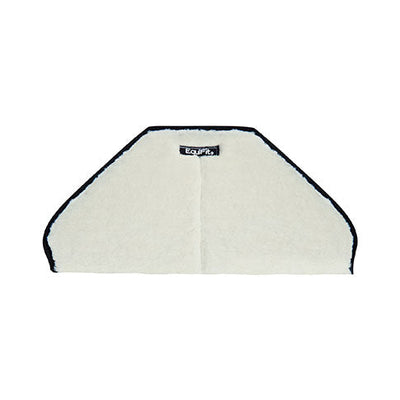
Some accessories are designed to sit under blankets and help address fit or rubbing. They are not summer sheets and do not solve a heat problem. For example, Equifit’s WITHERSHIELD and BLANKETBIB are blanket-related accessories, not rugs; check the product instructions and fit before use. A product cannot replace correct sheet sizing or a veterinary assessment.
 Equifit
WITHERSHIELD
$231.03 AUD
View Product Equifit
BLANKETBIB
$231.03 AUD
View Product Equifit
Essential® FlyMask
$69.82 AUD
View ProductThe iRide EQ horse rugs and accessories collection currently has blanket-related items and a fly mask, but no summer sheet or fly rug. That is a real catalogue gap: this article does not recommend a rug that is not listed. If you are comparing gear, check the stated purpose and fit rather than treating every summer accessory as interchangeable.
How do I check whether a summer sheet is working?
Check the horse shortly after fitting, then again as the day warms up. Feel beneath the fabric at the chest, shoulder and back. Look for sweat, excessive warmth, dampness, rubbing, a shifted fastener or a horse that is unusually unsettled. A quick check at the gate is not enough if the weather has changed sharply or the horse has been active.
- Heat: remove the sheet if the horse feels hot underneath or is sweating at rest.
- Fit: check for pressure, rubbing, trapped debris and restricted movement.
- Weather: account for humidity, direct sun, wind and changes through the day.
- Choice: provide access to shade and water, and allow the horse to move freely where safe.
- Health: get veterinary advice for a horse with a medical condition or unusual response.
Make the check again after exercise and after rain or a humid spell. A sheet that seemed tolerable early in the morning may not suit the horse at midday. Remove it promptly if it is wet against the coat, has started rubbing, or the horse shows signs of distress. Never leave a horse in direct sun because it is wearing a protective layer.
Good hot-weather care also includes a well-ventilated place to stand, regular access to clean water and a plan for monitoring the horse. Explore horse health and first-aid supplies for general care, and speak with a veterinarian for advice specific to your horse. For general summer care, the related guide to hydration in an Australian summer is another useful read.
Frequently Asked Questions
Are horse summer sheets waterproof?
It depends on the specific product. Do not assume a summer sheet is waterproof; check its manufacturer description and care instructions. A wet layer can also trap moisture against the coat.
Why do horses wear rugs in summer?
Some owners use light coverage for an individual reason, such as insect management or a vet-advised plan. A rug is not automatically needed, and it does not replace shade, airflow or water.
What temperature do horses need rugs on?
There is no universal temperature threshold for summer rugging. Consider the horse, humidity, sun, wind, coat, health and shelter, then monitor for warmth or sweat beneath the fabric.
Do fly sheets make horses hot?
They can, depending on fabric, fit, weather and the horse. Check underneath and remove the sheet if the horse becomes hot, damp or distressed.
When should I put a sheet on my horse?
Only when there is a clear individual need and the horse is comfortable wearing it. Reassess as the weather changes and ask your veterinarian about medical or skin concerns.
Can a rug protect a horse from the Australian sun?
A rug should not be used instead of suitable shade and shelter. Ask your veterinarian about a specific horse’s needs, and do not assume a sheet prevents heat stress.
How can I tell if my horse is too hot under a sheet?
Feel under the fabric at several points for heat or dampness and watch for sweating, restlessness or distress. Remove the sheet and seek veterinary advice if the horse is unwell.
Choose horse gear with the horse in mind
Browse iRide EQ’s horse rugs and accessories collection, and check each product’s stated purpose before buying. It currently does not include a summer sheet or fly rug.
Browse Horse Rugs & Accessories