Quick answer: For an EA show-jumping class, start with a properly fastened approved helmet, a collared shirt, pale breeches and riding boots with a heel. A show jacket is the safer formal choice for most competition settings, but the exact turnout can vary by class, level and event schedule, so check the current EA jumping rules and your organiser's programme before you leave home.
The rider's take: I have learnt the hard way that a jacket can look perfect on the hanger and be completely wrong once you are walking a course. At a spring show outside Sydney, my sleeves pulled tight the first time I folded forward over a vertical. Now I raise my arms, fasten every button and check the jacket from the saddle before it goes in the float.
Show jumping turnout in Australia sits somewhere between practical riding kit and polished competition wear. You need to be able to mount, warm up, walk a course and jump without fighting your clothes, but you also need to present as though you have read the rules. That balance matters at an EA-affiliated event, where the schedule may set a more formal standard than a casual local training day.
The short version is easy: wear a correctly fitted riding helmet, a neat collared shirt, pale competition breeches, gloves and boots with a heel. Add a dark or otherwise permitted show jacket for formal turnout. Your jacket is only one part of the picture, though. Helmet tagging, secure fastenings, clean boots and a shirt that stays tucked in all make a difference in the collecting ring.

A tidy, practical competition outfit should still let the rider move freely over a course.
What does EA require for show-jumping turnout?
EA’s 2026 national jumping rules are the starting point for an EA-affiliated competition. The rule-level essentials are protective headgear that is properly fastened whenever you are mounted, riding boots with a heel, breeches and a shirt. The formal dress wording also covers a jacket, a white-collar shirt and a white tie or choker in the relevant competition setting.
That does not mean every show in Australia uses one identical outfit. National classes, FEI-style classes, show-jumping divisions, agricultural shows and club events can publish different requirements. Read the schedule rather than relying on a photo from last season. A jacket colour accepted at one event may not be the choice the organiser wants in another class.
- Helmet: use an approved standard accepted by the current EA rules, with the strap fastened before you mount. Check the label and tagging requirements, not just the brand name.
- Shirt: a neat collared competition shirt is the safest formal option. A white collar and restrained colour combination suit traditional turnout.
- Breeches: white, cream or another light shade is the conventional formal choice, subject to the class rules.
- Boots: riding boots should have a heel and be suitable for the discipline. Black or brown are the easiest colours to pair with formal turnout.
- Jacket: wear one when the class or event calls for formal dress. Dark colours remain the low-risk option, while some jumping classes allow more flexibility.
The big gotcha is treating “EA legal” as a permanent label on an outfit. Rules and accepted standards can change. Check the current EA jumping page and the event schedule before every competition, especially during a phased helmet-standard change.
How should you choose a show jacket that works in the saddle?
A show jacket needs to look sharp for the steward and behave itself when you are riding. Start with the shoulders. You should be able to reach forward into a two-point position without the seam biting into your upper back. The collar should sit flat, the front should close without strain and the hem should not kick up every time you shorten your reins.
Try the jacket with the shirt, stock or tie and breeches you will actually wear. A jacket that fits over a thin base layer may feel very different over a long-sleeve show shirt. Australian spring weather is not predictable either: a cool morning at Werribee can turn into a warm afternoon, while a coastal event can throw wind at you all day. Breathability and stretch are practical concerns, not luxury details.
There is no prize for squeezing into the smallest size. If you are between sizes, test the larger one with your arms forward and your elbows bent. The jacket should follow your movement instead of pulling across the bust or shoulders. Tailoring a slightly generous jacket is usually easier than fixing one that is too tight across the back.
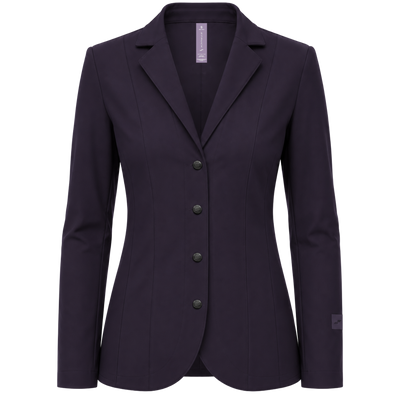
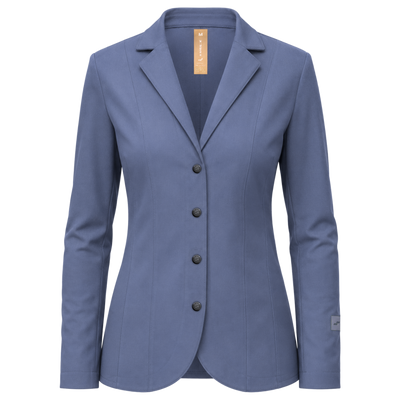
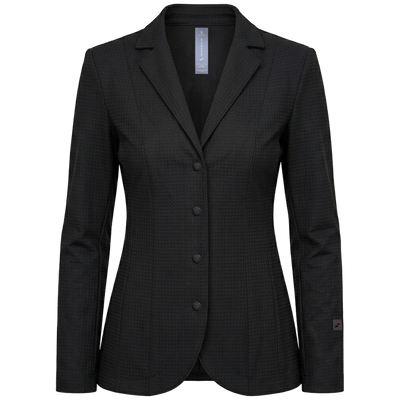
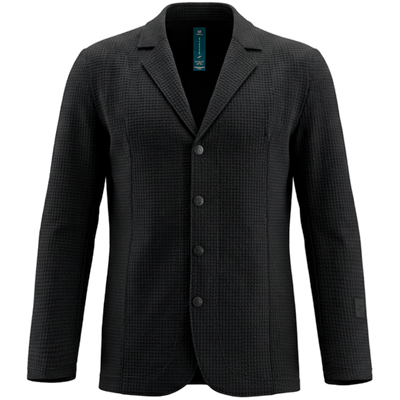
In the current iRide EQ range, the Struck Apparel WJ10 styles are listed at $616 AUD, with the WJ10 Air in Black also listed at $616 AUD. The Horse Pilot Long Frac is listed at $990 AUD, while the Mini Frac is listed at $719 AUD. Prices and sizes can change, so treat those as a live catalogue snapshot rather than a promise of availability. The For Horses MADAMA Show Jacket is listed at $691.25 AUD and has black and navy variants in the current collection.
The rider's take: My favourite jacket test is wonderfully unglamorous: I put it on, reach for a pretend crest, do up the front and sit as if I am waiting at the in-gate. If the fabric rides up or the sleeves expose half my gloves, it goes back on the rail. Looking polished is no use if you are adjusting your cuffs instead of riding the turn.
Which colours and layers are the safest formal choice?
For a traditional EA show-jumping outfit, a dark jacket with a white or light collared shirt, pale breeches and black or brown boots is hard to fault. Navy, black and other restrained shades are easy to coordinate and photograph well. They also hide the dust that somehow finds you between the warm-up and the ring.
Jumping dress can be more flexible than dressage dress in some settings, but “more flexible” does not mean anything goes. Bright piping, contrast panels, metallic details and unusual jacket colours may be accepted in one class and discouraged in another. If the schedule is silent, ask the organiser before you spend a large amount on a statement coat.
Layer for the weather without making the final outfit bulky. A lightweight riding base layer under the shirt can help on a chilly Victorian morning, but check that the neckline still sits neatly. Keep a dry spare shirt in the float. A wet warm-up shirt, muddy cuffs or a missing stock pin can turn a calm show morning into a frantic rummage through the tack room.
Small details finish the outfit:
- Gloves: choose a close fit with enough grip for reins. Browse equestrian gloves before the old pair splits across the palm.
- Fastenings: secure your stock, tie, shirt buttons and jacket before entering the ring.
- Boot care: wipe off arena dust and polish the toes, but do not leave slippery product on the soles.
- Jewellery: keep it minimal and secure. Dangling pieces are a distraction in the saddle.
What should you wear under the jacket on a hot Australian show day?
Heat changes the practical answer. On a 35-degree day in Scone or a humid summer morning near Brisbane, you want a shirt that dries quickly and does not bunch beneath the jacket. Pack a second shirt and a spare pair of socks. Changing after the warm-up is far more comfortable than starting your round already overheated.
Do not remove a jacket simply because the weather is unpleasant unless the class rules or steward allow it. Some events permit jackets to be omitted in extreme heat, but that decision belongs to the organiser or official on the day. Keep the jacket clean, dry and accessible until you know the local instruction.
Sun protection still matters around the ring. A cap is useful before you mount, but it does not replace approved headgear once you are riding. Drink regularly, plan shade between phases and give your horse the same thoughtful preparation. A rider who is hot and distracted is not presenting their best work, regardless of how expensive the coat was.

A well-fitted show jacket should look composed without trapping the rider in hot weather.
How do you do a final EA show-jumping outfit check?
Do the final check before you load, then repeat it at the show. I like a simple head-to-toe routine because it catches the boring mistakes: the missing stock pin, the boot zip that will not stay up, the helmet tag hidden under a layer of hair, or the breeches that looked cream indoors and very yellow in daylight.
| Item | What to check | Useful show-day backup |
|---|---|---|
| Helmet | Accepted standard, correct fit, strap fastened and any required tag visible | Helmet cover or spare approved helmet, if permitted and correctly fitted |
| Shirt and neckwear | Collar sits flat, buttons closed, stock or tie secure | Spare shirt and extra pin |
| Jacket | Class-appropriate colour, clean front, sleeves allow movement | Lint roller, hanger and breathable garment bag |
| Breeches | Light formal shade, comfortable seat, no slipping waistband | Spare pair and a small stain-removal cloth |
| Boots and gloves | Heel, secure fastenings, clean leather and intact grip | Boot zip aid, spare gloves and cloth |
Pack the rulebook link and event schedule on your phone, but do not rely on reception at a country show. Save a screenshot of the relevant turnout note before you leave. If a steward gives you different instructions, follow the official direction and ask politely if you need clarification. It is much better than arguing from memory beside the in-gate.

Frequently Asked Questions
What colour jacket should I wear for EA show jumping?
A dark jacket such as black or navy is the safest formal choice, but jumping classes can allow more colour flexibility. Check the current event schedule because requirements vary by class and level.
Are white breeches compulsory for every EA jumping class?
Light or pale breeches are the conventional formal choice, but do not assume one colour rule applies to every class. Confirm the wording in the current EA rules and the organiser’s programme.
Do I need a show jacket for a local jumping competition?
It depends on the class and organiser. Some local or informal events may give different instructions, while formal EA or FEI-style classes may expect a jacket. Read the schedule before travelling.
Can I wear a short-sleeve shirt under my show jacket?
Only if it fits the relevant class requirements and the organiser permits it. A neat collared competition shirt with suitable neckwear is the safer formal option; pack a spare layer for changing weather.
What boots are suitable for EA show jumping?
Wear riding boots with a heel and secure fit. Black or brown boots are the easiest formal match, but check any event-specific wording and make sure the boots are comfortable enough for warm-up and competition.
Does my helmet need a tag at an EA show?
EA helmet standards and tagging requirements apply according to the current rules and their effective dates. Check the helmet label, required tag information and the latest EA guidance before the event.
Can I take my show jacket off in hot weather?
Do not assume you can remove it yourself. Some events permit jackets to be omitted in extreme heat, but follow the steward or organiser’s instruction for that class.
Build a competition outfit that rides as well as it looks
Start with the current show jackets, then match it with competition wear, gloves and approved riding helmets. Always compare your final outfit with the event schedule before show day.
Shop show jackets