Quick answer: Most children starting horse riding need a correctly fitted riding helmet, secure boots with a small heel, comfortable kids riding clothes, socks and gloves. Add show clothing, a body protector or an airbag only when the item fits the child, suits the activity and matches the current event or club requirements.
The rider's take: In my 15 years keeping horses, I have seen plenty of children arrive for a first lesson in jeans that pinch behind the knee and sneakers that slide straight through the stirrup. The best starter kit is not the fanciest one; it is the outfit a child can move in, fasten properly and wear without overheating on a bright Australian afternoon.
Buying riding clothes for a child can feel like outfitting a very small athlete who changes size between school terms. You want enough protection for the lesson, enough comfort to keep them interested and nothing that turns a $60 pony club day into a wardrobe drama.
Start with the safety basics, then build around how your child actually rides. A weekly lesson at a local school, a Pony Club rally and an EA-affiliated competition can call for different clothing. Our kids collection includes practical layers, junior breeches and competition pieces, while riding helmets, riding footwear and riding gloves deserve their own careful fit checks.
This is a practical Australian guide, not a universal rulebook. Event organisers, Pony Club branches and disciplines can set their own requirements, so check the schedule before buying a show outfit.

A sensible children's riding outfit starts with fit, secure footwear and layers that suit the weather.
1. The safety pieces come before the outfit
The first purchase should be a riding helmet fitted by someone who knows what they are doing. It should sit level, feel snug without creating pressure points and stay in place when the child moves their head. The retention harness needs adjustment too. A helmet that is technically the right size but worn loose is not doing its job properly.
Equestrian Australia’s 4 February 2026 guidance lists accepted helmet standards and explains that requirements are being phased through 2028 and 2029. The exact standard on the label matters. So does the event. Do not rely on a product name, a general marketplace description or a friend’s old helmet; read the current EA information and check the tag inside the exact helmet.
- After an impact: replace the helmet, even if the shell looks fine.
- For growing children: never size up so far that the helmet rocks or lifts at the back.
- For Pony Club: check the branch and activity rules. Pony Club Australia promotes a properly fitted and fastened helmet, but requirements can vary by activity.
Footwear is the other non-negotiable. Choose a boot that stays on the foot and has a small heel to help reduce the chance of the foot sliding through the stirrup. Sneakers are not a substitute. They often have the wrong sole shape, no heel and laces that can catch.
2. What children need for weekly lessons
A child going to a regular lesson does not need a full competition wardrobe. They need clothes that let the instructor see their position and let them move freely. A pair of well-fitting children's riding breeches or riding tights is a strong starting point. Look for a waistband that stays put when mounted and fabric that does not bunch behind the knee.
The iRide Kids Active Riding Tights in Black, Dusty and Violet are real options in the current kids catalogue. The iRide Kids Compression Baselayer is also listed in Black, Dusty and Violet, with the olive handle shown in the live catalogue as iride-kids-compression-baselayer-olive. Check the live product page for the current colour, size and stock position before ordering; children’s availability can move quickly.
For a hot lesson in Queensland, northern New South Wales or Western Australia, a breathable base layer and a lighter pair of riding tights may be more useful than a heavy outfit. On a winter morning in the Southern Highlands, add a warm layer that can come off before the child gets sweaty. No fabric can promise to prevent overheating. Shade, water breaks and a sensible riding time still matter.
Socks should be long enough to sit comfortably under boots, with no thick seam pressing into the shin. Gloves are not just decorative: they can improve grip and protect small hands from reins. Buy a pair that allows the fingers to close naturally. If the glove is too large, the child will fight the fabric every time they shorten the reins.
3. How to choose kids breeches, tights and layers
The fit test is simple: have the child bend, squat, lift one knee and sit in a saddle if possible. The waistband should not gape at the back. The fabric should not pull across the knee. A child who keeps tugging at their shirt or wriggling their breeches is telling you something, even if they cannot explain it.
For everyday riding
Riding tights can be an easy choice for lessons because they are simple to pull on and often feel less restrictive than rigid denim. Breeches or jodhpurs can make sense for children who attend rallies or want a more traditional look. The right answer is the piece that stays comfortable through grooming, mounting, walking, sitting trot and the trip home in the car.
For a first competition
Do not assume that white breeches, a show shirt, tie and jacket are mandatory at every Australian event. Requirements depend on the class, discipline, organiser and rule set. If the schedule calls for competition clothing, the live kids catalogue includes Jump'In junior pieces such as the Junior Girl Luna Competition Breeches, Junior Mixed Competition Jacket, Junior Girls Competition Jacket and the Charlie Competition Polo Shirt. Jump'In is a French equestrian brand with a strong competition and jumping focus.
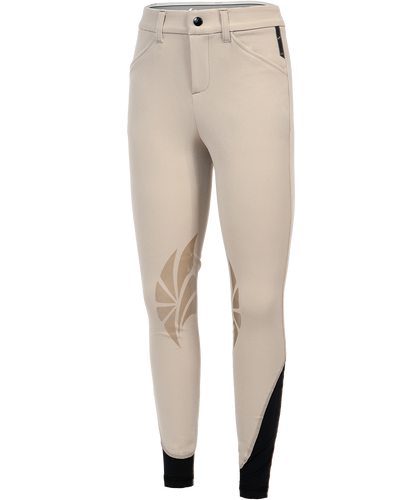
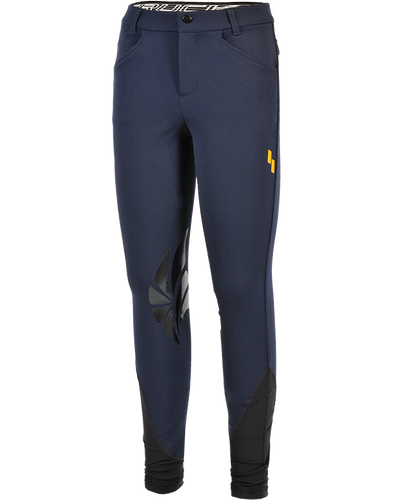
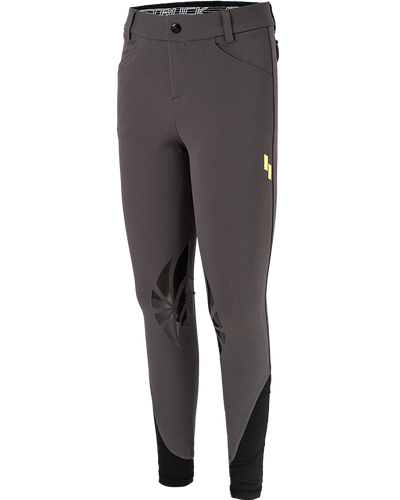
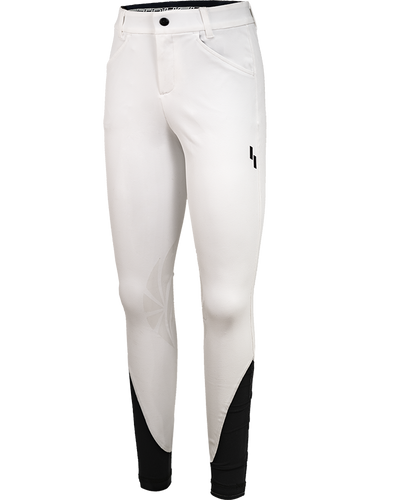
Struck Apparel is a Canadian performance riding-wear brand founded in Ontario. Its Children's 10 Series and 25 Series appear in the catalogue in several colourways, including navy, beige, pink, steel and white depending on the model. Treat each listing separately: colour, cut, size range and intended use are product details, not assumptions to apply across the whole range.

A competition kit should be checked against the event schedule, not copied from someone else's outfit.
4. When show clothing is actually worth buying
A show jacket is useful once the child is entering events that ask for one, or when a branch has a clear dress standard. It is not the first thing I would buy for a six-year-old attending two introductory lessons a month. Children grow fast, and a jacket that fits in spring may be short in the sleeve by summer.
The current kids collection includes the CHRISTIAN HUNTER Show Jacket from For Horses, an Italian competition and training apparel brand, as well as Jump'In junior jackets. Check the individual listing for sizing and construction. A smart jacket still needs to allow the child to move their shoulders and arms without riding up.
For a formal class, the Charlie Competition Polo Shirt and Children tie from Jump'In can be useful components where the organiser’s rules call for them. A tie or stock should never be fastened so tightly that the child cannot breathe or swallow comfortably. Also check whether the event wants a particular colour or style.
Here is the gotcha: buying a show outfit before checking the rules can leave you with an expensive item that is unsuitable for the class. EA rules, FEI rules and local club expectations are not interchangeable. Read the current schedule, ask the event secretary if the wording is unclear and make a full dress rehearsal at home.
5. Body protectors and airbags need extra care
A body protector or airbag is a separate safety decision, not a fashionable add-on to a child’s riding clothes. The garment must fit the child’s torso, allow normal movement and be compatible with the activity. A hand-me-down adult protector is not automatically safe. Neither is a child model simply because the name includes “child”.
The live kids collection includes FREEJUMP AIRBAG CHILD and FREEJUMP X'AIR SAFE CHILD products, along with cartridges and related items. Freejump is a French brand, but that origin does not tell you whether a particular product suits your child, discipline or event. Read the exact product instructions and check the organiser’s requirements before use.
Never tell a child that an airbag prevents injury. It is a piece of protective equipment with specific instructions and limitations. Ask about compatibility with the saddle and other equipment, learn how the tether works, and replace or service components as directed. If the fit changes because your child has grown, stop and reassess it.
For Pony Club activities, Pony Club Australia’s guidance identifies helmets, riding boots and riding vests among approved saddlery and makes a riding vest mandatory in relevant activities. That wording matters: it does not mean every lesson, club or competition has the same rule.

6. A realistic Australian shopping list
Build the kit in this order and spend where fit and safety matter most:
- Every ride: correctly fitted helmet, secure boots, comfortable riding tights or breeches, socks and a top that does not flap or catch.
- Useful extras: gloves, a breathable base layer, a warm jumper for winter, sunscreen and a water bottle.
- Competition pieces: only when the schedule asks for them — show breeches or jodhpurs, shirt, tie or stock and jacket.
- Protective equipment: a correctly fitted body protector or airbag only after reading the instructions and checking activity compatibility.
Keep one spare base layer and one spare pair of socks in the float. Australian weather has a talent for changing between the morning briefing and the afternoon class. Label everything, especially gloves and layers, and check the helmet harness before leaving home.
For a child starting out, I would rather see two well-fitting everyday outfits than one premium jacket and no spare socks. Replace items as they become tight, damaged or difficult to fasten. A good kit should make the child feel ready to ride, not self-conscious about every hem and buckle.
Frequently Asked Questions
What should a child wear for their first horse-riding lesson?
A correctly fitted riding helmet, secure boots with a small heel, comfortable long riding trousers or tights, socks and a fitted top are the essentials. Confirm any extra requirements with the riding school before the first lesson.
Can children wear jeans for horse riding?
Some riding schools may allow them, but jeans can rub, restrict movement or bunch under the knee. Proper riding tights, breeches or jodhpurs are usually a more comfortable choice for regular lessons.
Are sneakers safe for children riding horses?
Sneakers generally do not provide the small heel and secure sole shape recommended for riding. Ask the instructor what footwear is accepted, and choose riding boots or suitable paddock boots for regular riding.
Does every child need a show jacket in Australia?
No. Clothing requirements vary by discipline, class, organiser and current rules. Check the event schedule before buying a jacket, tie or other formal competition clothing.
How should a child’s riding helmet fit?
It should sit level, feel snug without painful pressure, and remain stable when the child moves their head. The retention harness must be adjusted correctly. Follow the current EA guidance and replace the helmet after a significant impact.
Is an airbag vest suitable for every young rider?
No. The exact product must fit the child and be used according to its instructions. Check compatibility with the saddle and activity, and confirm the event’s requirements before relying on it.
How do I dress a child for riding in hot weather?
Choose light, breathable layers, schedule breaks in shade, provide water and avoid overdressing. Clothing can support comfort, but no fabric guarantees protection from overheating.
Build a practical kids riding kit
Start with the essentials in our kids riding collection, then add helmets, footwear and gloves as your child's riding routine develops.
Shop Kids Riding Clothes