Quick answer: The best ear bonnet for an Australian horse should fit smoothly around the ears, stay secure under the bridle and use breathable fabric suited to your climate. Choose a simple, correctly coloured fly veil for competition, and reserve sound-dampening styles for horses that genuinely benefit from a little less arena noise. Always check the current rules for your discipline and event.
Ear bonnets, also called fly veils or ear nets, are small pieces of tack with a surprisingly big job. They help keep flies away from a horse's ears, tidy up a competition look and, for some horses, take the edge off distracting sounds. That does not make one bonnet right for every horse. A delicate crocheted veil for a cool dressage morning is a very different proposition from a close-fitting, breathable bonnet used at a humid summer show in Queensland.
The useful starting point is fit, not sparkle. Look for ears that sit comfortably inside the pockets, a browband area that lies flat and enough room for the bridle to pass without pinching. If you are building a coordinated turnout, a bonnet can sit neatly alongside a good horse bridle, matching browband and competition accessories. If your horse is bothered by insects before work, it can also be part of a practical grooming routine, rather than a last-minute show-ring decoration.
For a complete range of horse ear bonnets, compare breathable everyday styles, sound-dampening designs and competition-ready options before choosing the fit that suits your horse.

A well-fitted ear bonnet should look neat while allowing the horse's ears to move naturally.
What does an ear bonnet actually do?
The main purpose is simple: create a light physical barrier between the horse's ears and insects. Flies around the ears are irritating, especially during warm weather, grooming or a long wait near the arena. A bonnet may help a horse stay more settled, but it is not a substitute for sensible fly management, shade, water or veterinary advice if the ears look sore.
Some designs also cover more of the poll and use thicker or fleece-lined ear panels. These are often described as soundproof or noise-reducing bonnets. Be careful with that wording. A fabric bonnet may soften some ambient noise, but it is not hearing protection and it will not fix a horse that is anxious, painful or overwhelmed. If behaviour changes suddenly, investigate the cause rather than simply adding more equipment.
- Fly protection: mesh or fabric helps keep insects away from the ears during riding and groundwork.
- Presentation: a clean, restrained colour can complete a polished competition outfit.
- Focus: some horses seem less distracted with a bonnet, though every horse responds differently.
- Comfort: breathable materials and soft, non-binding ear panels matter most in Australian heat.
How should an ear bonnet fit?
Start with the horse standing quietly. Slide each ear into its pocket and check that the seam is not sitting directly across the sensitive tip. The fabric should follow the ear without compressing it. The front of the bonnet should sit flat beneath the browband area, and the lower edge should not droop into the horse's eyes.
Put the bridle on as you normally would, then look from both sides. The bonnet should not pull the browband forward or push the bridle back. If the ears are elastic, they should stretch enough to sit comfortably but not so much that the bonnet works loose. Walk, halt and do a few transitions before a competition. A bonnet that looks perfect while standing can shift once the horse starts moving.
Size labels are not perfectly consistent between makers. Pony, cob and full are useful starting points, not a guarantee. A large-eared horse may need a different shape from a fine-headed horse even if both normally wear full-size bridles. Take a quick photo from the side during fitting; it makes it easier to spot uneven placement and is a better guide than relying on the label alone.
The rider's take: I learned this one at a warm show where a bonnet looked lovely in the stable and ended up rubbing behind one ear after a long wait by the warm-up. Now I always do a short schooling session in it first, especially with crystal trim or a firmer binding. If the horse keeps flicking an ear at the bonnet, it is not ready for show day — no matter how good the colour match looks.
Which style suits schooling, dressage or jumping?
For everyday schooling, practicality wins. Choose a washable bonnet with breathable mesh, secure ear pockets and no trim that can catch on rugs or grooming tools. A neutral colour is easy to use with different bridles and saddle pads. In Australia's warmer regions, a lighter fabric can be more comfortable than a thick, decorative design.
Dressage riders often prefer a tidy silhouette and conservative colour. A navy, black, white or muted bonnet may coordinate well with the rest of the turnout, but colour rules can vary between organisations, levels and event schedules. Do not assume that a bonnet accepted at one local show will be treated identically at an EA or FEI event.
Jumping gives riders more room to express personal style at many events, yet the same basic test applies: it must fit, stay out of the eyes and not distract the horse. A matching bonnet can pull together a jumping saddle pad and bridle without requiring a whole new wardrobe. For a formal show, keep the overall look deliberate rather than stacking every available crystal and contrasting trim onto one horse.

Match the bonnet to the bridle and browband, but keep comfort and visibility ahead of decoration.
Are soundproof ear bonnets better?
Not automatically. A sound-dampening bonnet can be useful for a horse that is distracted by crowd noise, speakers or machinery, but the horse still needs to hear the rider, other horses and the environment. Introduce one at home first. Watch for a horse that becomes tense, loses responsiveness or seems uncomfortable. If that happens, remove it and reassess.
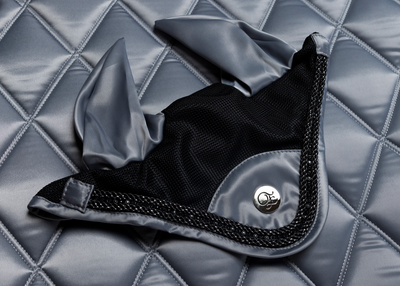
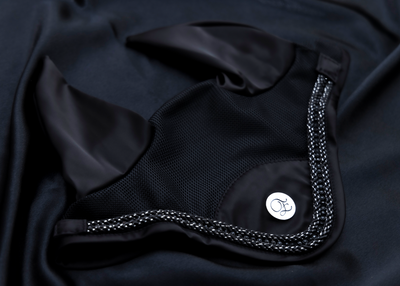
Product descriptions use terms such as soundproof and excellent soundproof capabilities, but those phrases describe the seller's positioning rather than a universal performance standard. The live iRide EQ range includes The King Black Jewel Soundproof Ear Bonnet and The Prince Navy Crystal Soundproof Bonnet. Their product listings identify breathable mesh, crystal binding and a sound-dampening design; they do not turn either bonnet into certified hearing protection.

As stocked at iRide EQ.

As stocked at iRide EQ.
For a horse with a genuine noise sensitivity issue, take a gradual approach: try it during a quiet session, then somewhere slightly busier, and keep the fit under review. Pain, ear disease, dental discomfort and training stress can all look like distraction. Equipment should support a sensible plan, not hide a problem.
What real ear bonnet details should you compare?
Do not compare only by colour. The live Ear Bonnets collection includes a mix of products from Eloquence Equestrian, Lady Godiva Equestrian and EquiFit, so construction varies. The Eloquence Equestrian listings include breathable mesh, satin lycra ears, rope or crystal binding and metal logo plates. Examples include The Duke Grey Jewel Ear Bonnet, The Prince Navy Crystal Ear Bonnet and The Majesty Deep Olive Crystal Ear Bonnet.

As stocked at iRide EQ.
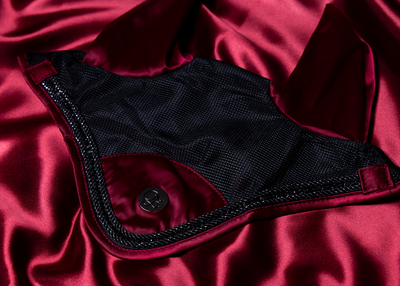
Lady Godiva designs in the collection use elastic ears, breathable quick-drying fabric and crocheted lower sections, with styles such as Classic Black, Classic Navy and Burgundy. EquiFit listings focus on multi-dimensional air-mesh, a contoured shape and an EverLeather trim. Those are useful construction differences to consider, but inspect the individual product page for the current size options, care instructions, stock and price before ordering.
| Feature | Why it matters | Best question to ask |
|---|---|---|
| Ear fabric | Controls stretch, airflow and comfort | Will it sit without pressure or sagging? |
| Mesh or crochet | Changes breathability and visual texture | Does it suit my climate and use? |
| Trim and binding | Influences durability and presentation | Could it rub or catch during work? |
| Sound-dampening panels | May soften ambient noise | Has my horse tried this calmly at home? |
| Care requirements | Keeps the bonnet hygienic and in shape | Can I wash it without damaging the trim? |

As stocked at iRide EQ.

As stocked at iRide EQ.
What are the competition and care gotchas?
Rules are the boring part until they cost you a start. Check the current rules for the discipline, level and event rather than relying on an old social-media post or a friend's memory. Some events are relaxed about colour and decoration; others expect conservative presentation. A bonnet should never cover the horse's eyes, interfere with the bridle or be used to disguise poor tack fit.
After each use, brush off hair and arena dust, then follow the care label. Hand washing in cool water is a safe starting point for many bonnets, but crystal trim, metal plates and structured brims may need gentler treatment. Do not put a decorative bonnet in a hot dryer. Let it air dry flat and store it away from damp grooming gear.
Keep a plain, reliable bonnet in your kit as well as the competition statement piece. It is handy for flies during training, and it gives you a backup if the fancy bonnet loses a crystal or does not sit correctly. Pair the finished look with appropriate competition wear, a clean bridle and correctly fitted tack — not with a pile of accessories that your horse finds irritating.
Frequently Asked Questions
Are ear bonnets allowed in Australian dressage?
They may be permitted, but rules can differ by discipline, level and event. Check the current EA, FEI or show schedule requirements, including any colour and presentation restrictions, before you compete.
Can an ear bonnet stop my horse hearing?
A normal bonnet does not block sound completely. Sound-dampening styles may soften some ambient noise, but they are not hearing protection. Introduce one gradually and remove it if your horse becomes tense or less responsive.
How tight should the ears be?
The ear pockets should sit securely without pressing hard or folding the ear. The fabric should follow the ear's shape, and the bonnet should remain stable when the horse walks, trots and turns.
What colour ear bonnet is safest for competition?
Conservative colours such as black, navy or white are often the easiest choice, but there is no single rule for every competition. Confirm the current event requirements rather than assuming a colour is universally accepted.
How do I clean an ear bonnet?
Follow the product care label. Many can be hand washed in cool water with gentle detergent and air dried. Avoid heat and take extra care with crystals, tassels, metal plates and structured trim.
Should I buy a soundproof bonnet for a nervous horse?
Not as a first response to unexplained anxiety. Trial it at home, monitor the horse's comfort and investigate pain, ear problems, tack fit and training factors. Ask a veterinarian or qualified professional if the change is sudden or persistent.
Find the right ear bonnet for your horse
Browse the full ear bonnets collection for practical fly veils, breathable everyday styles and polished competition options. Check the individual listing for sizing, care and current availability before ordering.
Shop Ear Bonnets