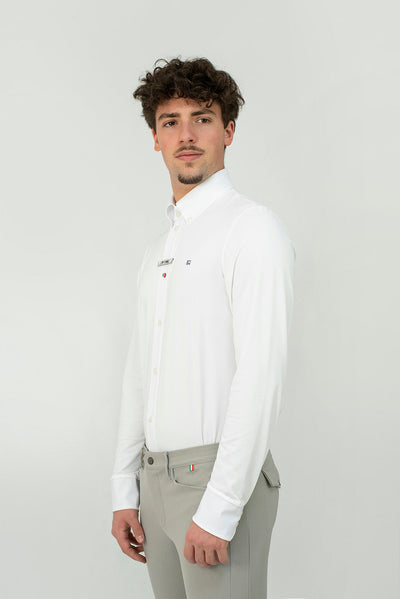
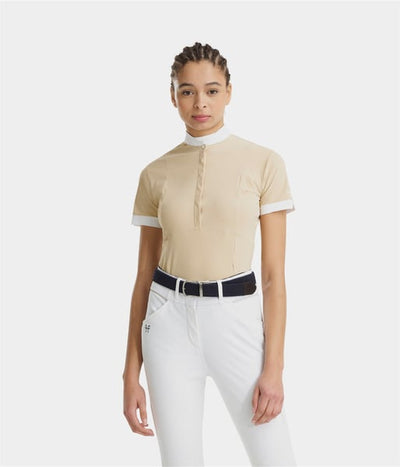
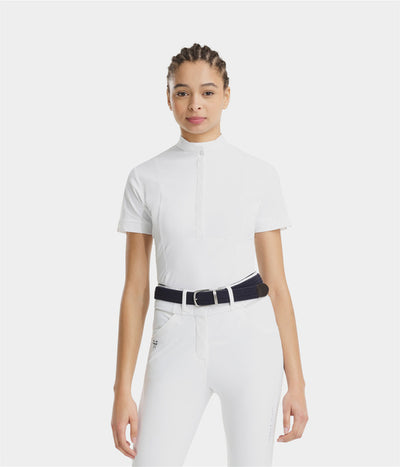
Quick answer: Show jumping and dressage share the same essentials—an approved, properly fastened helmet, suitable boots, breeches, a competition shirt and gloves—but the finished look changes with the discipline, level and event. Jumping is generally more practical and informal at national level, while dressage has more prescriptive expectations around shirt, neckwear, jacket, gloves and boot styling. Always check the schedule and current EA rules for your class rather than assuming one outfit is universal.
Buying competition gear is easier when you separate safety essentials from dress-code details. For Australian riders, the right answer depends on whether you are heading into a national show-jumping ring, an EA dressage test, a show-horse class or a higher-level/FEI competition.
This guide compares the two disciplines without turning rule-of-thumb advice into a rule. Use it as a practical starting point, then confirm the current event schedule and discipline rules before packing your truck.

What does every rider need for both disciplines?
Start with the safety and movement basics. An approved helmet must be worn properly fastened whenever you are mounted at an EA event. Choose a model from a current riding helmet range, check the label and make sure the fit is secure before you worry about colour or sparkle.
You will also need comfortable competition breeches, a shirt that allows full shoulder movement, gloves and boots with a heel. For a traditional show finish, black or brown riding boots are the safest wardrobe choice. A polished, well-fitting outfit is usually more convincing than a pile of decorative extras.
How is show-jumping gear different?
At national level, show jumping dress is usually informal: boots with a heel, breeches, a shirt and protective headgear are the core requirements. A jacket is often the expected polished layer for formal classes, but the exact colour and whether it may be removed can depend on the class and rule level.
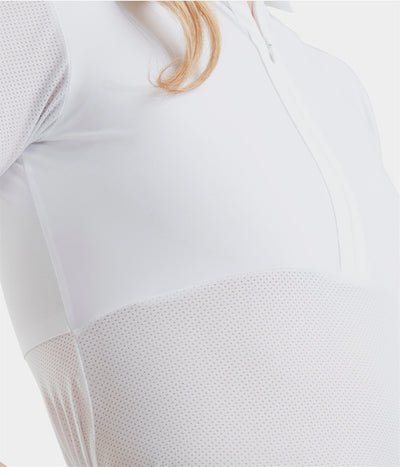
For hot Australian conditions, prioritise breathable fabrics and freedom through the upper body. A technical show shirt under a lightweight show jacket gives you flexibility between warm-up and competition. Look for secure cuffs, a neat collar and fabric that will not ride up when you fold over a fence.

What is more formal about dressage?
Dressage generally asks for a more coordinated, traditional presentation. Up to Medium under the 2026 EA National Dressage Rules, riders should expect light or white breeches or jodhpurs, long or jodhpur boots, gloves and suitable neckwear such as a stock, tie or ratcatcher. A short coat is part of the standard picture, although rules allow it to be omitted in certain overheated conditions.
At Advanced and FEI levels, the dress picture changes again: a tailcoat may be relevant, and the rule set is not interchangeable with a lower-level national test. That is why a stock or competition tie, a discreet pair of riding gloves and a well-cut jacket should be chosen with your level in mind—not copied from a professional rider’s photograph.
Sarah's rider note: If you are buying one outfit that can cross over between jumping and dressage, start with navy or black, a breathable white show shirt, pale breeches, black boots and gloves. It is the least stressful combination on a hot show morning, and you can add discipline-specific details later.
Do I need a body protector or back protector?
Do not assume the answer is yes for every class. A body protector is not a universal compulsory requirement for ordinary show jumping or dressage under the rules covered here. Eventing and cross-country have separate safety requirements, while dressage rules permit a back protector. Check the discipline, level and event schedule before treating protective equipment as mandatory.
Whatever you wear, it must not interfere with your balance, rein contact or the horse’s way of going. Try protective equipment at home, over the layers you will actually compete in, and make sure it does not catch on the saddle or restrict your shoulder movement.
Which tack and accessories change between jumping and dressage?
Tack legality is where generic buying guides become risky. Permitted bits, nosebands, spurs, whips, saddles and accessories can vary by discipline, level and event. The national dressage rules and jumping rules should be your source of truth—not a product description, social-media post or something that was legal at a different show.
For the rider, the practical split is simple: jumping kit needs to stay secure and unobtrusive through movement, while dressage kit needs to look especially coordinated and traditional. A neat competition-wear base, correctly fitted breeches and discipline-appropriate training aids will take you further than buying every accessory at once.

A simple Australian competition packing list
- Approved, correctly fastened helmet
- Competition shirt, jacket and appropriate neckwear
- Light or white breeches/jodhpurs where required
- Clean boots with a heel and spare socks
- Gloves, hair ties and a practical belt
- Any permitted protective equipment, checked against the event rules
- A second shirt and a cool-weather or wet-weather layer
Show jumping and dressage gear FAQs
Can I wear the same breeches for both disciplines?
Usually, light or white breeches are the most versatile choice. Confirm the expectations for your class, especially for show-horse or higher-level events.
Is a show jacket compulsory in every jumping class?
No single answer covers every class. National jumping dress is generally informal, but formal classes and event schedules may set different expectations.
Do dressage riders have to wear a stock?
Neckwear requirements depend on the level and rule set. A stock, tie or ratcatcher may be appropriate, so check the current EA rules and event schedule.
Are body protectors compulsory in dressage?
Do not describe them as universally compulsory. A back protector is permitted in dressage, while eventing and cross-country have separate safety requirements.
What colour boots are safest for competition?
Black or brown formal boots are the safest traditional choice. Dark colours may be accepted in some contexts, but confirm the class rules.
Can I remove my jacket if it is very hot?
Some rules allow a short coat to be omitted in overheated conditions, but permission depends on the discipline and level. Ask the steward if unsure.
Which helmet standards are accepted by EA?
Accepted standards include options such as AS/NZS 3838, ASTM F1163/SEI, PAS 015/BSI and EN1384:2023/VG1 with required testing or quality marks. Check the current rulebook and helmet label.
Build your competition wardrobe
Shop practical competition wear, show jackets, show shirts and competition breeches at iRide EQ, then check your event's current rules before you ride in.
Shop Competition Wear