Quick answer: Start with the bit your horse already accepts, then assess mouth comfort, steering, brakes and the rider's hands before changing anything. A snaffle does not automatically mean gentle and a leverage bit does not automatically mean harsh; fit, mouthpiece, cheek design, rein position and contact all change the pressure pattern. For Australian riders, choose a bit with your coach or qualified bit fitter, check the current EA or event rules before competing, and treat resistance as information rather than a reason to keep adding leverage.
A horse bit is a small piece of tack with a surprisingly large job. It helps communicate with the horse, but it cannot replace balance, training, a correctly fitted bridle or a rider who can soften the rein. The right bit is the one that lets the horse stay relaxed and responsive without asking for more force than the situation requires.
This matters in Australia, where a horse may school in a dry arena one week, work in humid coastal conditions the next and then travel to an EA-affiliated show. A bit that feels fine at home still needs to be checked for fit, mouth comfort, cleanliness and competition legality. Before choosing a new bit, look at the whole picture: teeth, tongue, lips, jaw, noseband, saddle fit and the rider's timing.
Browse the horse bits collection once you have identified the fit, mouthpiece and cheek action your horse actually needs.

A bit only works well when it fits the horse and matches the conversation the rider is trying to have.
What should you check before buying a horse bit?
Start with the horse, not the catalogue. If the horse is suddenly head-shaking, opening the mouth, leaning, grinding the teeth or avoiding contact, book a dental check and review the bridle fit before ordering a stronger bit. Pain can come from sharp teeth, ulcers, poll tension, a pinching cheekpiece or an unsuitable noseband. A new bit cannot solve those problems.
Next, watch the current ride. Is the problem steering, brakes, balance, tension or rider confidence? Those are different problems. A horse that falls through a shoulder needs better balance and straightness; a horse that rushes may need a training plan and a quieter contact. A stronger mouthpiece can hide the symptom for a few rides while the underlying issue gets bigger.
Have the bit fitted so it is the correct width and sits at the right height. The rings or cheeks should not pull into the corners of the mouth, and the mouthpiece should not be so narrow that it presses into the lips. A qualified bit fitter can assess the horse in motion, not just measure the mouth while the horse stands still.
How do snaffle bits and leverage bits differ?
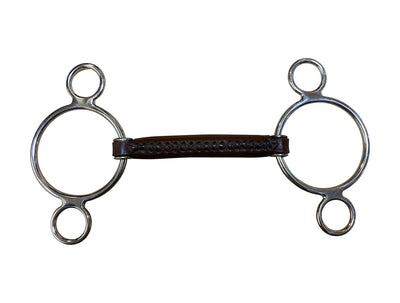
The useful distinction is how the rein force is transmitted. In a direct-rein snaffle, the rein attaches to the same cheek ring as the mouthpiece. A leverage design uses a cheek with a lower rein position, so the rein can add pressure through the poll, chin groove and mouth depending on the design and the way it is fitted. Neither label tells you the full story.
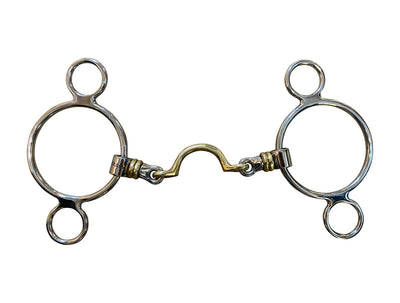
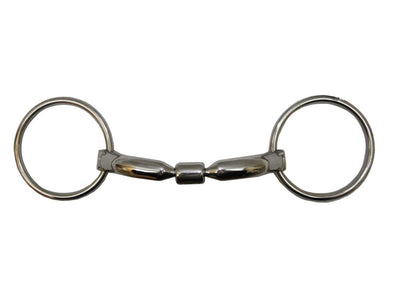
A loose-ring snaffle can move more freely and may suit a horse that likes to play with the contact, while a fixed-cheek eggbutt or D-ring can feel steadier and give clearer lateral guidance. A full-cheek or Baucher design changes the cheek action again. The mouthpiece also matters: a simple single-jointed, French-link, rubber, leather or ported design will not feel identical.
For a first change, I would usually look for the least complicated option that addresses the actual problem. A comfortable French-mouth or eggbutt snaffle may be a better experiment than jumping straight to a three-ring or gag. Browse the live snaffle bits range, then discuss the choice with someone who can observe your horse.
James's rider note: In my 15 years keeping horses, the clearest warning sign has been a horse that becomes quiet in the hand but tight through the back. I saw it during a winter schooling session in the Southern Highlands: the brakes appeared better in a stronger bit, yet the horse stopped breathing into the contact. We went back to a simpler mouthpiece, checked the teeth and rebuilt the transitions. The slower answer was the useful one.
Which mouthpiece shapes are worth understanding?
A single-jointed mouthpiece has two sections and can create a nutcracker-style action as the reins are used, although the final feel depends on the cheek design, the horse's mouth and the rider's hands. A French link has a central plate that can spread the contact across more surface area, but it still needs to be correctly fitted. A thicker bit is not automatically softer; a thick mouthpiece can be uncomfortable for a horse with limited tongue space.
Ported or spoon-shaped mouthpieces create tongue relief in some designs, but they can also bring more bar or palate pressure when the reins are engaged. Rollers, copper elements and flexible rubber change the feel and the horse's interest in the bit, not the need for a quiet hand. Leather bits may suit some horses, but they need careful cleaning and inspection.
Jump'In's live Bits collection includes real designs such as the D-ring bit French mouth blue steel, French mouth Baucher bit, Eggbut bit French mouth blue steel with copper rings and Beval bit. Product names describe the hardware; they do not predict which one your horse will prefer. Confirm the current size, stock and price on the product page before ordering.

As stocked at iRide EQ.

As stocked at iRide EQ.

As stocked at iRide EQ.

As stocked at iRide EQ.
What does a horse bit comparison look like in practice?
| Design | What changes | Useful starting question |
|---|---|---|
| Loose-ring snaffle | More movement through the cheek rings | Does the horse prefer a mobile contact? |
| Eggbutt or D-ring | Steadier cheek and clearer side guidance | Would a stable feel help the horse stay straight? |
| French-mouth | Central link changes the mouthpiece feel | Is the horse happier with less rigid contact? |
| Baucher | Upper cheek supports the bridle and changes the feel | Does the horse need a steady, not stronger, option? |
| Leverage or three-ring | Rein position can add poll and chin pressure | Has basic training and fit been checked first? |
This table is a conversation starter, not a prescription. Two horses with the same mouth measurements can respond very differently. Keep notes after each trial: mouth comfort, chewing, steering, tempo, transitions and how the horse feels after the ride. Change one thing at a time.

Comfort shows in the whole horse: relaxed lips, a mobile jaw and a back that can swing.
How should you introduce a new bit?
Clean the bit, check the bridle and introduce it in a quiet setting. Let the horse investigate it while you fasten the bridle, then walk before asking for a working contact. Keep the first session short. I prefer a few calm transitions and large circles over a demanding schooling session that makes it hard to tell whether the horse is comfortable.
Do not test a new bit for the first time at an EA show, a busy Ag show or a lesson where you need a guaranteed result. Pack the old bit, ride in a safe enclosed area and have another experienced person watch. Stop if the horse shows pain, panic or a marked change in way of going.
For riders still developing feel, lessons and correctly fitted horse reins matter more than adding hardware. A comfortable horse bridle, a stable browband and a suitable saddle pad will not fix a bit problem, but poor tack fit can make one much harder to diagnose.
What should Australian riders check before competing?
Rules vary by discipline, level and event. EA dressage and jumping rules set permitted tack and equipment, and FEI classes can be stricter again. A bit that is acceptable at home may not be permitted in your class, especially if it includes unusual cheek pieces, multiple reins or a particular mouthpiece. Read the current rulebook and the event schedule, then ask the steward if you are unsure.
Do not assume a bit is “competition legal” because a retailer calls it a show bit. Keep a photograph of the exact bit, check the markings and carry a compliant alternative when travelling. That five-minute check is less painful than discovering at gear inspection that the bit you rely on cannot be used.
Horse bit FAQs
What is the gentlest horse bit?
There is no single gentlest bit for every horse. A correctly fitted, simple mouthpiece in experienced, sympathetic hands is often a sensible starting point, but comfort depends on the individual horse's mouth and training.
Is a snaffle bit always mild?
No. Snaffles can be sharp in strong or unsteady hands, and a thick mouthpiece can be uncomfortable for some horses. The name describes the rein arrangement, not a guaranteed level of comfort.
How do I know if a bit fits?
Check width, height, cheek contact and the horse's response. The bit should not pinch the lips or sit so low that it knocks the teeth. A qualified bit fitter or equine dental professional can help.
Can a stronger bit fix a horse that rushes?
It may change the immediate feel, but rushing can come from balance, pain, anxiety, training or rider tension. Investigate those causes before adding leverage.
Should I use a bit with a port?
A port may create tongue space in a suitable design, but it can also increase pressure elsewhere. Choose it only after assessing the horse's mouth and getting qualified advice.
Are Jump'In bits available in Australia?
iRide EQ lists Jump'In bits in its live Bits collection. Check each product page for current sizes, stock and AUD pricing before ordering.
Can I use any bit at an EA event?
No. Permitted tack depends on the discipline, class and level. Check the current EA or FEI rules and event schedule for the exact competition.
Build a more comfortable tack setup
Browse horse bits, bridles and reins at iRide EQ, then confirm fit and competition rules before you ride.
Shop Horse Bits