Quick answer: You can buy a decent riding helmet in Australia for under $300, but the price tag is not the safety test. Check the current Australian standard label, confirm the helmet is new and genuine, and spend time getting the fit right. iRide EQ does not currently have a checked helmet under AUD $300, so this is a buying guide rather than a list of products we can recommend from our own range.
The rider's take: I have watched riders spend ages choosing a colour and about thirty seconds checking the fit. That order is backwards. At a local show on a hot NSW afternoon, the helmet that stayed comfortable through the warm-up was the one that mattered — not the one that looked best on the rack.
A riding helmet is one piece of gear where “cheap” and “good value” are not interchangeable. Australian riders need a helmet that fits properly, carries the right label for the intended use and has not been damaged, altered or stored badly. A helmet can look spotless and still be the wrong shape for your head.
This matters even more if you are shopping online. The headline price may not tell you whether the helmet is current, whether the seller is authorised, or whether it meets the rules for your event. Use this guide to narrow the field, then check the product label and the current event requirements before you ride or compete. You can also compare the rest of your safety setup through the riding helmets collection and browse competition wear when you are building a complete show-day kit.

The right helmet starts with fit and certification, not the colour or the price sticker.
Is a riding helmet under $300 safe?
It can be, but price alone cannot answer that question. Safety depends on the helmet's construction, condition, fit, certification, age and use. A $250 helmet from a reputable seller may be a sensible choice. A $250 helmet with a vague label, poor fit or unknown history is not a bargain.
Buy new where possible. Second-hand helmets are risky because you may not know whether they have been dropped, hit or stored in a hot car. Do not buy a helmet with cracks, crushed foam, loose trim, a damaged harness or missing labelling. Replacing parts or repainting the shell can also affect the manufacturer's safety guidance.
Australian competition rules change, and different organisations or disciplines can apply different requirements. EA event documents and the current helmet standard transition information should be your reference for an EA-affiliated event. A retailer's phrase such as “competition legal” is not a substitute for reading the rule that applies to your class. Check the exact label on the helmet and confirm with the event organiser if you are unsure.
- Check the label: look for the standard and certification information required for your intended use.
- Check the condition: reject cracks, impact damage, missing parts and suspiciously old stock.
- Check the fit: the helmet should sit level, feel secure and stay put when you move your head.
- Check the seller: ask about returns, sizing support and product authenticity.
What should you look for in a budget riding helmet?
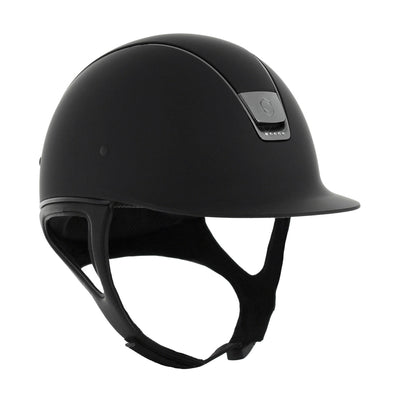
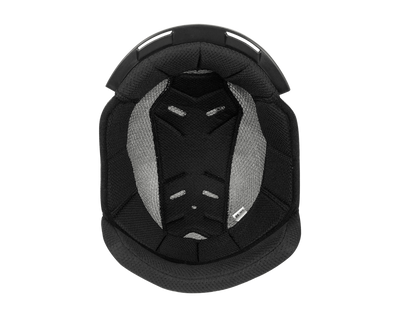
Start with the shell shape. Some helmets suit a rounder head, others suit a longer oval shape. The most expensive model in the shop will not protect you well if it rocks forward, presses painfully at the temples or leaves a gap at the back. A fit appointment is money well spent, especially for a first helmet or a young rider who is still growing.
The harness should sit comfortably under the jaw without choking or hanging loose. With the helmet level on your head, open your mouth wide. You should feel the harness draw slightly, but it should not pinch. Shake your head gently. The helmet should stay in place without needing to be clamped down by excessive pressure.
Ventilation is a practical issue in Australia. A helmet that feels fine in an air-conditioned shop may become unpleasant during a long lesson in a 35-degree Queensland summer. More vents do not automatically mean better safety, though. Look at the overall design, the adjustability and the manufacturer's care instructions together.
| Feature | What to check | Why it matters |
|---|---|---|
| Fit system | Adjustment dial or correctly sized fixed liner | Helps the helmet stay stable without painful pressure |
| Harness | Secure buckle and comfortable contact points | Stops movement during riding |
| Ventilation | Airflow suited to your climate and riding schedule | Improves comfort in Australian heat |
| Certification label | Clear, current information for your discipline | Supports event compliance and informed buying |
How do you get the fit right?
Measure your head according to the manufacturer's instructions, usually around the widest part of the head above the eyebrows. Treat the measurement as a starting point. Two helmets with the same numerical size can feel very different because their internal shapes are different.
Place the helmet level, not tipped back like a cap. The front should sit above the eyebrows without obstructing vision. Fasten the harness and check that there is no rocking when you look left and right. If you feel a single pressure point after a few minutes, try another shape rather than hoping the padding will magically solve it.
Do not fit a child with room to grow by buying a helmet that moves around. Replace it as the child's head changes, after a significant impact, or when the manufacturer says its service life has ended. A helmet is not the place for “she will grow into it”.

A stable fit check should happen before the first lesson, not at the gate before a class.
What does the $300 budget really cover?
Under $300, you are likely comparing entry-level helmets, sale stock, older colourways and models with fewer premium comfort features. That is fine if the helmet is genuine, correctly labelled, undamaged and right for your head. Do not pay extra for decorative finishes while compromising on fit or buying from a seller who cannot answer basic questions.
Be cautious with dramatic discounts. Ask why the price is low. It may be an end-of-line colour, which is harmless, or it may be old stock with limited size availability. Check the return policy before ordering because a helmet that feels wrong must be returned rather than “made to work”. Never buy a helmet just because a friend likes the same model; head shapes are personal.
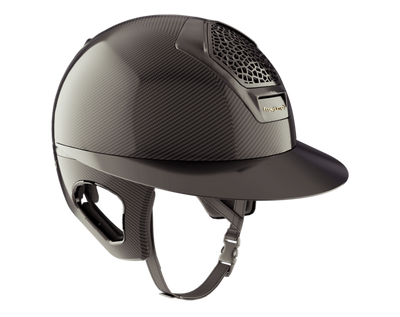
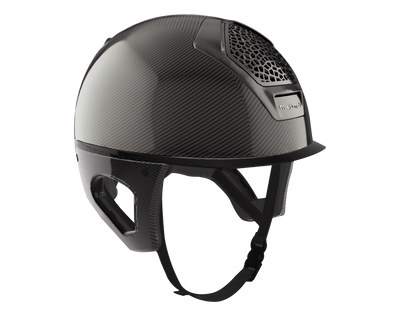
iRide EQ's current helmet range does not give us a verified under-$300 recommendation to name here. That is a useful answer, not a failure of the guide. It is better to say “not currently available in our checked range” than to invent a product, price or availability claim. If your budget can stretch, you can browse the live Freejump collection, but compare the actual product price and specification rather than assuming any helmet will meet a $300 ceiling.
Common mistakes Australian riders make
The first mistake is treating a helmet as permanent equipment. Impact foam can be compromised by a fall even if the shell looks normal. Replace the helmet after an impact according to the manufacturer's guidance, and do not lend a helmet that has taken a hit.
The second is storing it in the float or car. Heat, moisture, chemicals and rough handling can damage materials over time. Keep it somewhere cool and dry, away from direct sun, and clean it only with the products recommended by the manufacturer.
The third is assuming a standard label covers every event. It does not. Check the current rules for the class, organiser and discipline. EA requirements, FEI requirements and local club expectations are not interchangeable, and transition periods can create confusion.

How to shop without wasting your budget
Write down your non-negotiables before you browse: intended discipline, head measurement, preferred shape, required standard and maximum delivered price. Then shortlist two or three helmets and compare their fit, warranty, care instructions and return policy. This stops a flash sale from making the decision for you.
It is also worth budgeting for the rest of your kit. A correctly fitted helmet works alongside sensible riding habits, appropriate footwear and tack that is maintained properly. If you are refreshing your gear, browse riding boots, riding gloves and rider training aids as separate decisions. Do not cut corners on the helmet to fund decorative extras.
Frequently Asked Questions
Can I get a good riding helmet for under $300 in Australia?
Yes, good options can exist under $300, but check the current standard label, seller, condition and fit. iRide EQ does not currently have a checked helmet under AUD $300.
Are cheap horse riding helmets safe?
Some lower-priced helmets can be suitable. Safety cannot be judged from price alone, so confirm genuine certification, correct fit, new condition and appropriate use.
How often should a riding helmet be replaced?
Follow the manufacturer's service-life guidance and replace it after an impact, even when external damage is not obvious.
Can I buy a second-hand riding helmet?
It is safer to buy new because a second-hand helmet may have hidden impact damage or unknown storage history.
How should a riding helmet fit?
It should sit level, feel secure without painful pressure, keep the harness comfortably fastened and remain stable when you move your head.
Do Australian horse shows accept every certified helmet?
No. Requirements can vary by organisation, discipline and event. Check the current rules for the specific competition before entering.
Can I wear a bike helmet for horse riding?
Do not assume a bike helmet meets equestrian requirements. Use a helmet designed and labelled for horse riding and check the rules for your intended event.
Shop riding gear with the right questions in mind
Browse our live riding helmet collection, then compare fit, labelling and intended use before you buy. For a complete setup, explore competition wear and riding gloves.
Browse Riding Helmets