


Horse Riding Helmets
Shop horse riding helmets in Australia — certified safety helmets with visor and liner options for show jumping, dressage, Pony Club and everyday riding. Modern helmets featuring carbon fiber outer shells, removable memory foam liners, and temple protection offer uncompromised rider defense.


Buying guides and how-tos
What to look for before you buy, written by the team who fit it.
 Freejump Voronoi Carbon — The Helmet That Protects Your Temples
Read the guide →
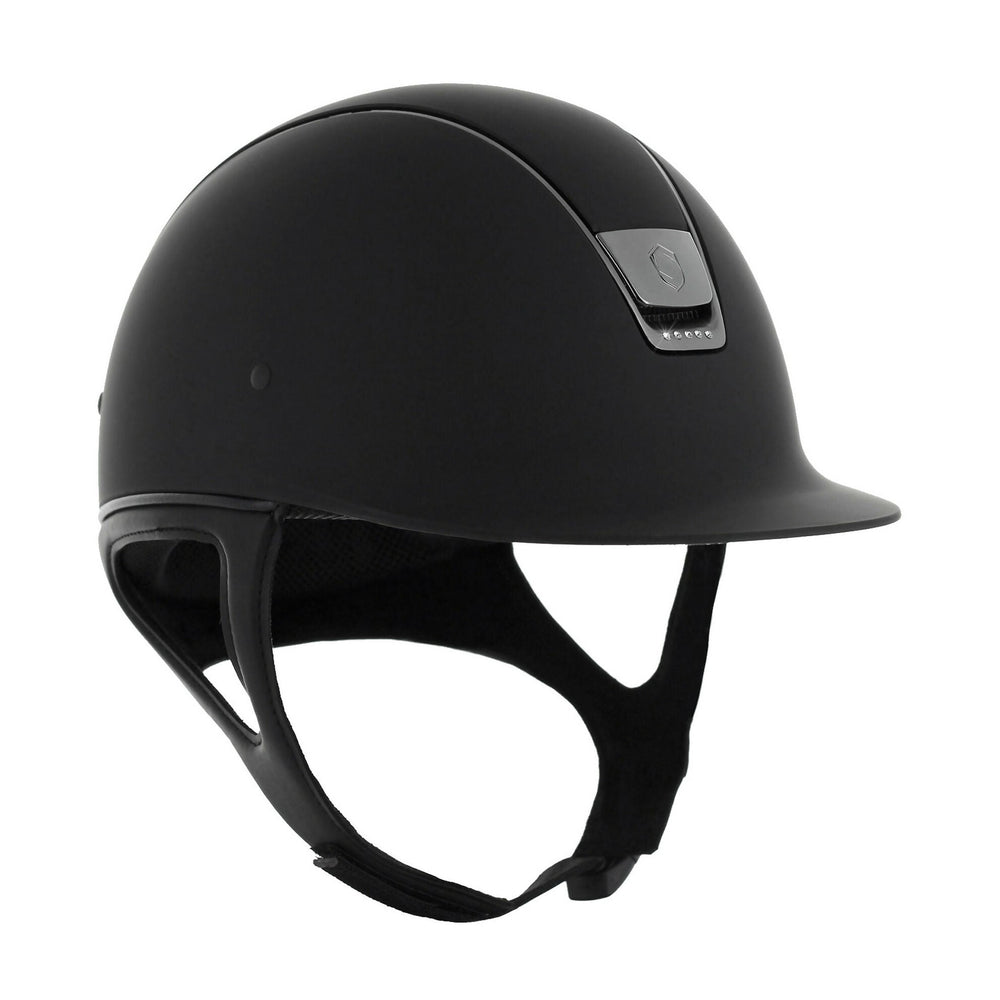 Samshield 1.0 Helmet Review: French Style Meets Aussie Safety
Read the guide →
 Best Riding Helmets Under $300 Australia 2026
Read the guide →
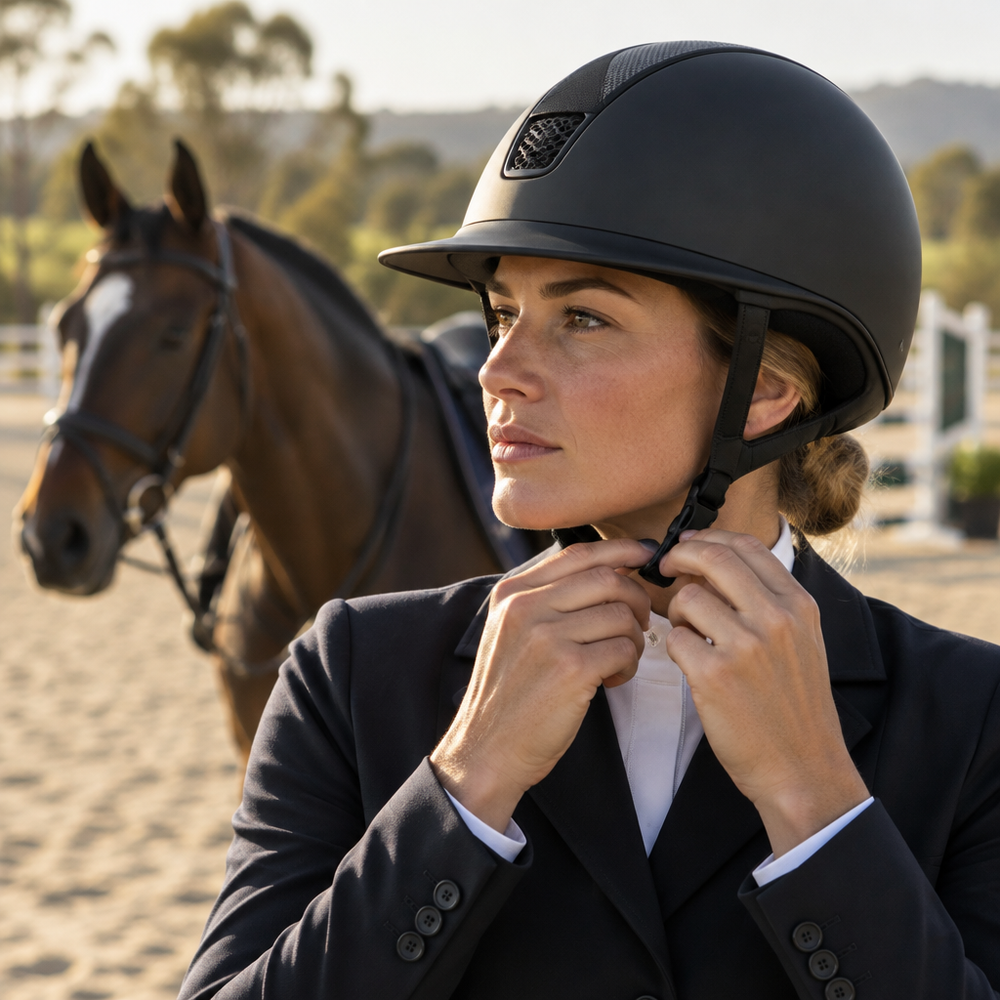 Riding Helmet Standards in Australia: What EA Competitions Actually Accept
Read the guide →
Horse Riding Helmets: buying guide and FAQs
Choosing a horse riding helmet that fits and protects
A helmet is the one piece of gear you hope never gets tested. Everything else can be replaced mid-season; a head injury cannot. Buy for the standard it meets, the fit on your head, and the discipline you actually ride, in that order.
Anything sold for competition use in Australia should carry a recognised certification. The exact label your class requires is worth checking against the current EA rulebook rather than trusting a sticker from a few seasons ago, and our guide to riding helmet standards in Australia covers what scrutineers look for.
How a riding helmet should fit
The shell sits level, about two fingers above the eyebrows, with the front edge low enough to protect the forehead. Rock it forwards and backwards: your scalp should move with it, not the helmet slide over your hair. The chin strap keeps it there in a fall, so it needs to be snug enough that one finger fits under it and no more.
- Hair down and flat. A bun or thick plait changes the fit more than riders expect.
- Between sizes, go up. Take the larger shell and dial the harness in.
- Try another brand before sizing up again. Head shape differs as much as size between makers.
Dial-fit harnesses, liners and visors
Most modern helmets use a rear dial to fine-tune the fit, and many have removable, washable liners, which matters in an Australian summer. Peak and visor choice comes down to discipline: a fixed peak for jumping and cross country where the sun and rain are real, a softer or removable peak for dressage.
When to replace a helmet
Replace after any impact where the helmet took the hit, including a drop onto concrete, even if it looks perfect. Foam that has compressed once does not spring back. Most makers also give a service life, so a helmet that has done five summers of lessons is due for retirement whether it has been dropped or not.
Buying a helmet in Australia
Fit in person where you can, or measure your head circumference above the eyebrows and match it to the maker's chart. We dispatch in 1-2 business days with free shipping over $299. Pair the helmet with rider clothing, show jackets and riding gloves, or read the full helmet buying guide.
Frequently asked questions
How do I know if my helmet fits properly?
The helmet should sit level and move your scalp with it when you rock it. The chin strap should allow one finger underneath and no more.
Do I need a new helmet after a fall?
Yes, if the helmet took the impact. The protective foam compresses on impact and does not recover, even when the shell looks undamaged.
How often should a riding helmet be replaced?
Follow the maker's stated service life, and replace immediately after any impact. Many riders replace every five years regardless, especially with regular lesson use.
Are expensive helmets safer?
Not automatically. Certification and fit matter more than price. A well-fitted, correctly certified mid-range helmet protects better than a loose premium one.
Can I wear a cycling or skate helmet for riding?
No. Those helmets are tested to different standards and are not designed for the impact patterns and fall heights in horse riding, and they will not pass competition tack checks.
How should I clean a riding helmet?
Wipe the shell with a damp cloth, wash removable liners by hand, and never soak the helmet or leave it in a hot car where the foam and glues break down.
What helmet does a beginner need?
A correctly certified, correctly fitted helmet that meets the standard for the competitions they intend to enter. There is no need for a top of the range shell to start lessons.