Quick answer: Jump'In is a French tack house created in 1990 and run today from Fiennes, in the Pas-de-Calais. Its bridles come in three families, the city-named One Collection, the premium Italian-leather Origin range and the English full-grain Week Collection, alongside 240-plus bit references, the colourful Jumpad saddle pads and everyday leather goods from girths to browbands. Australian riders can shop the full Jump'In range locally at iRide EQ.
The rider's take: In fifteen-odd years of keeping horses I've watched plenty of bargain bridles stiffen, crack and rub within two seasons. When a mate in the Southern Highlands handed me his Week Collection bridle to try on my fussy off-the-track gelding, what registered first wasn't the look. It was leather that behaved broken-in on day one, soft where the cheekpieces sit against the face. That's what a French saddle house is actually selling, and my horse felt it long before I did.
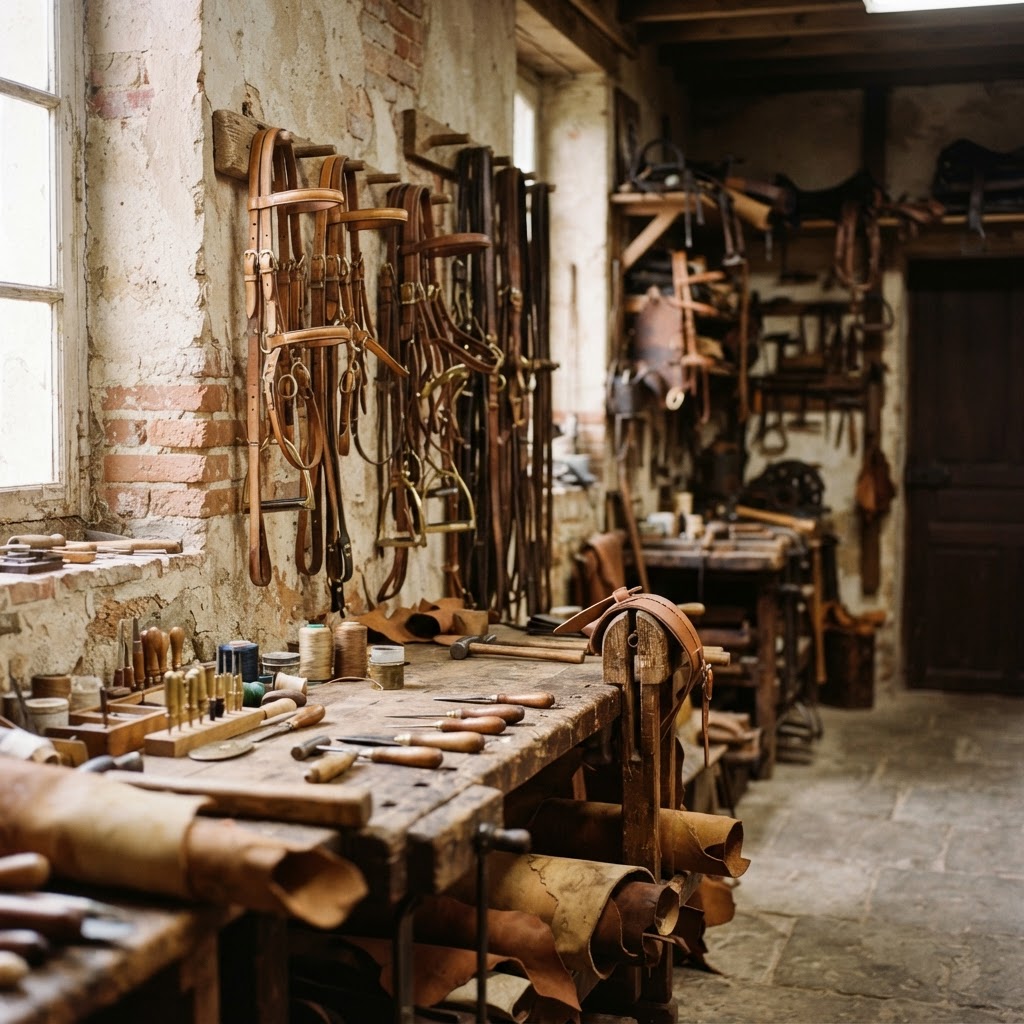
Some tack brands are marketing companies that happen to sell leather. Jump'In reads as the opposite: a straightforward French saddlery that names its collections after cities and weekdays, files its bits under coded references the way an engineer would, and runs under the tagline "Made with Savoir-Faire". The brand was created in 1990 and works out of a single address, 47 rue du Moulin in Fiennes, a small Pas-de-Calais village a short drive from the Channel coast, in the heart of French show jumping country.
Before you spend anything, one thing worth knowing: Jump'In chooses its leathers per collection, not per brand. The Origin range is built on premium Italian leather, while the Week Collection uses high-quality English full-grain. A blanket "it's all made in France" or "it's all English leather" claim would be easier to market, but it wouldn't help you pick the right bridle, so this guide keeps the leathers straight collection by collection.
What's on the shelves matters too. At iRide EQ the Jump'In catalogue runs to 490 products: bridles from every family, more than 240 bits, reins, breastplates, girths, halters, spur straps and browbands, plus a line of AIRTEC riding jackets for the rider. This article walks through the bridle families, the bit system, the Jumpad pads and where the range fits an Australian tack room, with the flagship pieces and their local prices in AUD.

A brown horse in a plain leather snaffle bridle. Understated daily gear like this is where French leatherwork earns its reputation.
A French Saddle House Since 1990
Jump'In was created in 1990, which puts it in an interesting generation of French equestrian brands: old enough to have a genuine saddlery culture, young enough to have grown up with modern manufacturing rather than being dragged into it. The company still runs from Fiennes, and the "Made with Savoir-Faire" tagline is a fair description of how the range is organised. Stitching is finished rather than left raw, edges are trimmed, and even the smallest items, browbands, spur straps, martingale straps, get the same leather and hardware as the show bridles.
What I find genuinely unusual is the bit catalogue. Rather than a vague promise of "something for every horse", Jump'In maintains a numbered reference system with more than 240 combinations of mouthpiece and cheekpiece in sweet iron, copper, German silver, rubber, leather-covered and foam MPA versions. You can, quite literally, order a bit by its code the way you'd order a part for a car. For a rider working through a specific contact problem with a coach, that depth matters.
The reality is that not every product line suits every buyer, and the Jump'In range is deep enough that guessing is a bad strategy. Know the collection names before you shop, and match the leather to the work the bridle actually does. A paddock bridle that gets hosed weekly and a competition bridle carried in a bag have different lives.
Three Bridle Families: One Collection, Origin and Week
The bridle range splits into three families, and the differences are practical rather than marketing frosting.
The One Collection is the city series. Noseband pieces and bridles are named after cities: New York, London, Bruxelles, Paris. The Paris Bridle is the entry point at $312, a clean, understated flat-profile bridle that photographs well and won't look out of place at a local Ag show or an EA-affiliated class. One step up, the One Collection Premium sharpens the look, and the Clincher Bridle at $503 is the pick of that tier: a clincher-style detail along the cheekpieces that catches light without tipping into costume.

Paris Bridle, One Collection, $312 AUD. The city series is the understated end of the range.

Clincher Bridle, One Collection Premium, $503 AUD, the clincher-accented pick of the Premium tier.
The Origin range is the showpiece tier, built on premium Italian leather. This is the collection to look at if your bridle lives most of the year in a padded bag and comes out for Championships. The Carat line runs through the range, and the name resurfaces in the saddle pad family further down. The Italian leather reads dressier than the English full-grain of the Week bridles, with a finer grain and a deeper shine after conditioning.
The Week Collection is where my own money goes, and I'd argue it's the honest heart of the range. English full-grain leather, bridles named after weekdays, and a straightforward brief: gear you can use every single day without wincing. The Wednesday Bridle at $719 and the Tuesday Bridle at $623 are the two I see most often in Australian tack rooms. At the top of the family sits the Crystal Bridle at $887, crystal-detailed and unmistakably a big-day bridle. The Week family also runs to Summer and Hackamore pieces, so there's coverage well past the classic snaffle look.

Wednesday Bridle, Week Collection, $719 AUD. English full-grain leather built for daily work.

Tuesday Bridle, Week Collection, $623 AUD, with the family's clean, everyday profile.

Crystal Bridle, Week Collection, $887 AUD. The dressage-ring showpiece of the day-named family.
For dressage riders the Megève Double Bridle at $479 from the One Collection is worth a separate look. A well-fitted double is a genuinely different tool, and the Megève strips the look back to plain stitching so the horse's outline does the talking. It sits comfortably alongside our wider dressage bridle range.

Megève Double Bridle, One Collection, $479 AUD, with plain-stitch detailing for the dressage ring.
| Family | Leather | Naming | Entry price (AUD) | Best for |
|---|---|---|---|---|
| One Collection / Premium | City-series leatherwork, chrome hardware on Premium | Cities (Paris, Clincher, Megève) | From $312 | Everyday showing, dressage, double bridles |
| Origin range | Premium Italian leather | Carat line | Top of the bridle range | Championships, showpiece tack |
| Week Collection | English full-grain leather | Weekdays (Tuesday, Wednesday), Crystal, Summer, Hackamore | From $623 | Daily riding, workhorse bridles |
Jumping Bridle With Flash Options
The phrase people actually search is "jumping bridle with flash", and Jump'In covers it across both the Week and One families, with matching flash noseband pieces so the look stays consistent with the bridle you already own. If you're browsing the broader category, our jumping bridles collection has the full spread of brands we stock.
What a flash actually does is modest, and worth stating plainly: it lightly stabilises the mouthpiece and discourages the horse from opening their mouth or crossing their jaw. It is not a substitute for a quiet hand. What I've found over the years is that a large share of horses that "need" a flash need their teeth looked at, their noseband correctly fitted, or their rider's timing fixed instead.
Two practical notes. First, fit the cavesson portion so you can slip two fingers sideways under it at the cheekbone. Gear checks at EA events do look at noseband fit, and a cranked-down flash is exactly what officials watch for. Second, if your horse goes happily in a plain cavesson, don't add a flash because the catalogue offers one. The best bridle is the plainest one your horse accepts. When in doubt about gear permitted in your discipline or level, check the current EA rulebook, which is always the source of truth rather than any article, this one included.

Reins are where leather quality shows up first, in pliability, grip and hardware that sits quietly in the hand.
Reins, Breastplates and the Everyday Leatherwork
Below the showpieces sits the equipment most riders buy twice as often. The rein range runs from rubber-covered with stops, like the Rubber Reins with stops from the One Collection at $143, through hunter and Howlett styles to cotton versions, topping out around $191. Rubber with stops is a sensible default for jumping: wet Saturday, greasy leather glove, you still have a grip. Our full reins range covers the other options if you're comparing.

Rubber Reins with stops, One Collection, $143 AUD. The practical pick for wet winter show days.
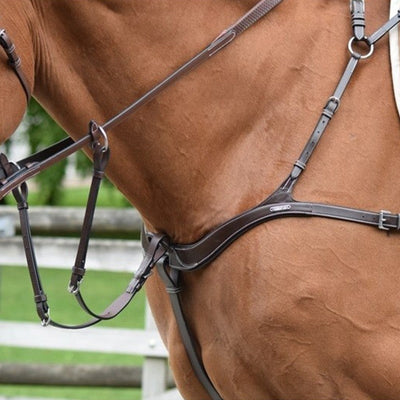
The breastplate story has one standout: the 2 in 1 Breastplate and Martingale at $360. The concept is exactly what the name says, a single piece that converts between configurations, which suits the rider who schools with a martingale attachment and competes without it, or vice versa. Sixteen breastplate and martingale pieces make up the range, all in the breastplates and martingales collection alongside the other brands we stock.

2 in 1 Breastplate and Martingale, $360 AUD. One piece that converts between configurations.
Girths run from the elastic versions at $215 up to the safety stud girths at $240 to $408. The everyday small goods, halters, lead ropes, spur straps, match the bridle leathers if you like a coordinated look at the float, and the girths and halters and leads collections hold the full spread. One care note from a Queensland January: humidity wins unless you wipe leather down after sweaty work and let it dry away from direct sun. Salt crust is what cracks stitching, not rain.
Best Jumping Bits: One Brand, 240+ References
This section stays deliberately at range level, because we've already written a full-length buying guide on this exact topic, and one article shouldn't try to do two jobs. The short version: Jump'In files its bits as numbered references rather than names, spanning sweet iron, copper, German silver, rubber, leather-covered and foam MPA mouthpieces across snaffle and leverage cheekpieces. All up, more than 240 references. Browse the bits collection to see them laid out, with the snaffle bits filtered separately.

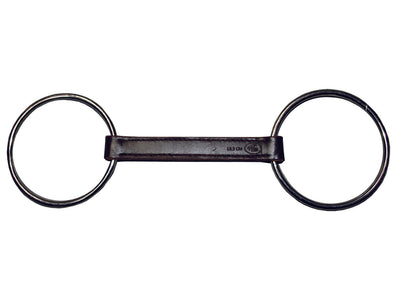
Horse bits in a range of alloys. Jump'In files more than 240 mouthpiece and cheekpiece combinations as coded references.
Jumping Bits for Strong Horses
The honest answer to "which bit for my strong jumping horse" is that no single reference fixes a training gap, and betting on hardware before ruling out pain is the mistake I see most often. Teeth, saddle fit and back soreness first. After that, strong horses usually respond to either a changed cheekpiece geometry or more leg into the hand, not simply a sharper mouthpiece. Leverage options trade steering for head carriage, and every step up the leverage ladder should come with a step down in expectation while the horse adjusts. If you're working through specific combinations, our dedicated Jump'In bits guide walks the full reference system in detail.
The Jumpad: Saddle Pads With a Colour Habit
Saddle pads are where Jump'In lets its hair down. The Jumpad line runs to 56 pads in more than 30 colourways, built on a felt and leather construction that holds its shape under daily use. Prices run from $129 for the One Jumpad, the plain training staple, to $201 for the Carat Jumpad and $262 for the Écusson Jumpad in turquoise, glossy white and navy. If matching your browband to your pad is your kind of fun, this is your brand. The full saddle pads collection covers every other option we stock.

One Jumpad, $129 AUD. The plain felt-and-leather training staple of the line.

Carat Jumpad, $201 AUD, carrying the Carat name from the bridle line into the pad family.

Écusson Jumpad in turquoise, glossy white and navy, $262 AUD. Thirty-plus colourways in the family.

Flatwork is where a pad earns its keep. Breathability and a clean silhouette under saddle matter more than the colour.
My advice on the loud colourways, offered with affection: turquoise is for training and photos, navy or black is for the judge's eye. Plenty of top riders keep the bright Jumpads for home and saddle up quietly on competition day. Your mileage, and your local circuit's sense of humour, may vary.
Frequently Asked Questions
What is the best jumping bridle for everyday competition?
For most riders, a Week Collection bridle: English full-grain leather that handles daily work and weather, with a clean look that passes at any level. The Tuesday Bridle at $623 is the practical pick, and the Crystal at $887 is the dressage-ring showpiece. Match the family to the job the bridle does, not the other way around.
What bridles and bits are allowed under Equestrian Australia jumping rules?
Standard snaffle bridles, including flash nosebands, and a wide range of bits are broadly accepted in EA jumping competition, but permitted equipment varies by discipline and level. Always check the current EA rulebook for your level before competing in anything outside a plain snaffle. That precedent applies to noseband fitting too, where stewards can check spacing.
Which bits suit a strong jumping horse?
Get teeth, saddle fit and back checked first, because "strong" is often pain wearing a costume. After that, changes in cheekpiece geometry or more leg into the hand usually help more than a sharper mouthpiece. Our Jump'In bits buying guide walks the full 240-plus reference system, alloy by alloy.
Where are Jump'In bridles made?
Jump'In is a French company based in Fiennes, in the Pas-de-Calais, and has been since the brand was created in 1990. Its leathers are specified per collection: premium Italian leather on the Origin range and high-quality English full-grain leather on the Week Collection. Like most French and European saddle houses, production is organised collection by collection, so we describe leather per range rather than repeating one blanket origin.
What makes the Jump'In Jumpad different from a standard saddle pad?
Construction and colour. The Jumpad line is built on felt and leather rather than quilted synthetics alone, which helps the pad hold its shape under daily work, and it ships in more than 30 colourways across 56 references, from the plain One Jumpad at $129 through the Carat and Écusson versions.
Does Jump'In only make tack for show jumping?
The name leans jumping, but no. The range covers dressage bridles including the Megève double bridle, everyday leather goods like halters and girths, and a rider apparel line, the AIRTEC jackets. The jumping focus shows most in the bit lab, where the 240-plus reference system is the deepest in our catalogue.
How should I care for Jump'In English full-grain leather in the Australian climate?
Wipe the leather down after sweaty work to remove salt crust, let it dry naturally away from direct sun, and condition every few weeks rather than only before shows. Australian humidity, especially through a Queensland summer, is harder on stitching than rain is. Consistent light care beats the feast-and-famine approach every time.
Shop Jump'In in Australia
The full Jump'In range is stocked locally at iRide EQ, bridles from all three families, 240-plus bit references, Jumpad saddle pads and everyday leatherwork, with fast Australian delivery. Free shipping on orders over $299.
Browse the Jump'In Collection