Quick answer: The right riding gloves should give you secure rein contact without bunching, pinching or making your hands sweat. Choose the fit and material for your discipline, check the cuff and finger length carefully, then keep a lighter pair for hot Australian schooling days and a formal option for competition.
The rider's take: I notice a bad glove before I have finished the warm-up. If the fingertips wrinkle when I shorten the reins, or the palm slides as soon as a horse starts sweating, I spend the whole session thinking about my hands instead of the turn in front of me. For me, a close fit at the fingers beats a thick palm every time.
A riding glove is a small piece of kit, but it changes how clearly you feel the reins. The best pair sits close to the hand, protects against blisters and gives you enough grip to ride without clenching. That matters on a quiet trail ride, during a long schooling session and at an EA-affiliated show where loose reins or damaged fingertips are not the look you want.
Australian riders also need to think about the weather. A mesh glove can feel far better than a lined winter design during a humid Queensland lesson, while a light leather or technical glove may suit a cool morning in the Southern Highlands. Our riding gloves collection includes show gloves, mesh designs and everyday options from brands such as Kunkle Gloves, Struck Apparel and Sixteen Cypress.

A close, flexible fit helps you keep an even feel of the reins.
Fit comes before fabric
Start with your hand, not the colour or brand name. Measure around the widest part of your dominant hand, excluding the thumb, and compare that number with the maker's chart. Your fingers should reach close to the ends without pressing hard against them. Extra fabric at the tips folds under the reins and becomes irritating fast.
The palm should sit flat. Make a fist, hold an imaginary pair of reins and flex your wrist. If the glove pulls across the knuckles, it is too small or the cut does not suit your hand. If the palm slides and the fingertips wrinkle, go down a size or try another shape. Gloves are not like breeches: a little extra room rarely becomes a better fit after a few rides.
- Finger length: fingertips should be covered without loose fabric gathering at the ends.
- Palm: look for smooth contact and no bulky seam beneath the rein.
- Wrist: the cuff should stay closed but never restrict movement.
- Thumb: you should be able to close your hand without the thumb seam twisting.
Try the gloves with the reins you actually ride in. A pair that feels fine in the shop may feel very different with rubber grip reins, web reins or a thicker leather rein. If you are between sizes, check the product cut and return policy rather than assuming every brand measures the same way.
Leather, synthetic or mesh?
Leather gives a familiar feel and often moulds nicely to the hand. It can be a strong choice for competition and regular schooling, but it needs care. Wipe sweat and arena dust away after use, let the gloves dry naturally and do not leave them crumpled in the bottom of a damp gear bag. Heat and neglect can make leather stiff.
Synthetic gloves are often easier for everyday riding. Many are quick to wash, flexible from the first wear and less precious about a muddy fence line. The trade-off is that stretch fabrics can lose their shape if you buy too large. A glove that feels wonderfully soft in the packet can become sloppy after a month of hard use.
Mesh is the sensible option for hot weather, especially for riders schooling in a covered arena or working through an Australian summer. It can improve airflow, but do not treat a breathable fabric as a promise that your hands will stay dry. Fit, ventilation through the back of the hand and how much you grip all matter.
| Glove type | Best suited to | Check before buying |
|---|---|---|
| Leather | Competition, regular schooling and riders who prefer a close rein feel | Care needs, seam placement and finger length |
| Synthetic | Everyday riding, lessons and riders who want easy cleaning | Stretch recovery and palm grip |
| Mesh | Warm climates, summer training and humid conditions | Back-of-hand airflow and durability of the mesh |
| Show glove | Dressage, jumping and formal competition outfits | Colour rules, cuff finish and rein contact |
Choosing from the live iRide EQ range
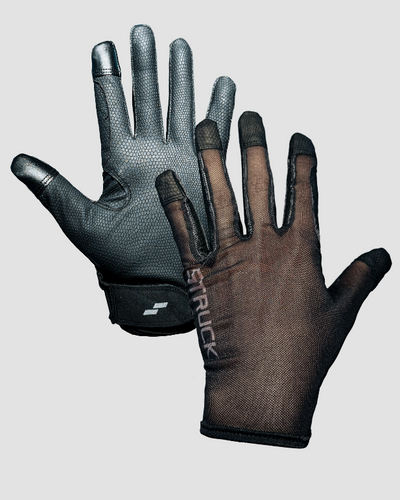
The catalogue gives you several useful directions rather than one universal winner. The Struck Apparel Aero Veil Glove is worth considering if you want a technical riding glove with a lighter feel. Struck is a Canadian performance brand, and the Aero Veil sits alongside the Pro Ride Glove for riders who want a more traditional everyday option. Check the live listing for the current colour and size availability.
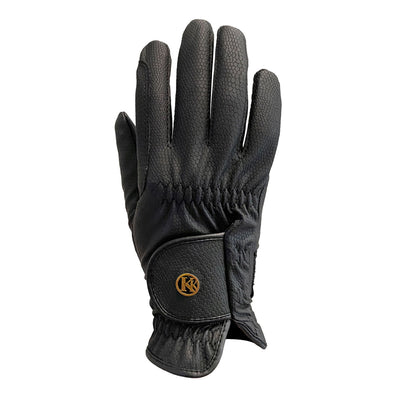
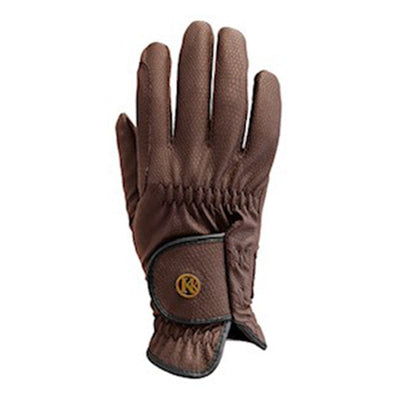
Kunkle Gloves offers black, brown, navy mesh and white show versions, with 15 sizes listed across the range. That is helpful for riders who struggle to find a neat fit, and it makes the collection easy to compare for competition use. White gloves may suit a formal outfit, but always check the current EA or event rules rather than treating a colour as universally required.
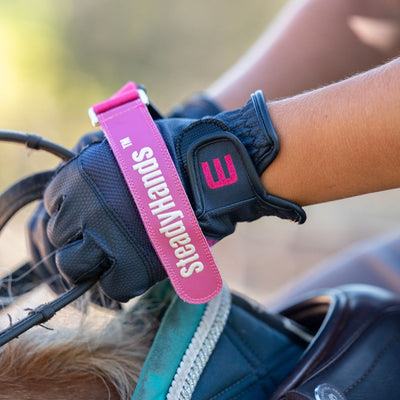
For a junior rider, Equisk Junior SteadyHands Riding Gloves are a dedicated option rather than an adult glove simply made smaller. Lady Godiva's Pro Rider Comfort Gloves are another everyday choice. Sixteen Cypress has Black Herringbone, Brown Herringbone and Oat and Cognac gloves, giving riders a polished option for lessons, hacking and country wear. Browse the full equestrian accessories range if you are matching gloves with other rider kit.
My practical shortlist would look like this: Kunkle white for a formal show wardrobe, Kunkle navy mesh or Struck Aero Veil for warmer training, and a Sixteen Cypress or Lady Godiva pair for ordinary riding. That is an editorial starting point, not a claim that one glove will suit every hand. Use the sizing chart and look closely at the palm construction before ordering.

Keep a dedicated show pair clean and reserve your everyday gloves for training.
Grip without a death grip
Good gloves should help you hold the reins, not encourage you to squeeze harder. Look for a palm that gives a steady contact with your rein material. A sticky-feeling palm can be useful for riders who lose the reins easily, but too much grip may make small rein adjustments feel clumsy. This is especially noticeable in dressage work, where the fingers need to close and soften repeatedly.
Jumping riders may prefer a glove that stays put over a course and does not bunch under the contact. The same pair needs to let the wrist move as you fold over a fence. A stiff cuff or thick palm can become annoying after several rounds. If you ride with safety stirrups and a technical competition setup, keep the glove simple: stable, flexible and free of anything that catches on tack.
Do not use grip as a substitute for a balanced lower arm. If your fingers are permanently white from squeezing, a lesson or a check of rein length may help more than a new pair of gloves. The glove is there to protect your hands and improve feel; it cannot fix a tense contact on its own.

Show gloves, schooling gloves and the Australian climate
For an EA-affiliated event, check the discipline rulebook and the event schedule before choosing colour. Dressage commonly calls for formal presentation, while jumping gives riders more flexibility in everyday show contexts. A clean white, black or coordinating glove is usually easier to style than a novelty colour, but the current rule is the authority.
For daily riding, be more ruthless about comfort. If you ride in a 35-degree afternoon, carry a spare pair and let the first set dry between sessions. A sweat-soaked glove left in a helmet bag is a perfect recipe for smell and stiff fabric. Rinse washable gloves according to the care instructions, then dry them flat or on a rack away from direct heat.
Winter riders in Victoria or Tasmania may prefer more coverage, while a thin technical glove often works for Queensland schooling most of the year. There is no prize for wearing the thickest glove. Cold hands need protection, but a bulky palm can dull the rein feel you bought the glove to improve.
Common mistakes that waste money
- Buying by size alone: two brands can use the same number for very different hand shapes.
- Ignoring the cuff: a tight wrist is distracting and a loose cuff can catch on clothing.
- Using one pair for everything: arena dust, rain and show grooming are hard on the same glove.
- Choosing a thick palm for security: more material is not automatically better rein feel.
- Not checking the care label: heat and harsh detergent can ruin stretch and grip.
One final gotcha: inspect the seams after the first few rides, especially between the fingers and around the thumb. If a seam rubs there, it will not become less noticeable during a two-hour lesson. Return the gloves early if the fit is wrong. Your hands are doing enough work already.
Frequently Asked Questions
How should riding gloves fit?
They should sit close to the hand, with fingertips covered and no loose fabric gathering under the reins. You should be able to close your hand and flex your wrist without pressure across the knuckles.
Are leather or synthetic riding gloves better?
Leather suits riders who like a close, familiar feel and are happy to care for the material. Synthetic gloves are often easier to wash and practical for everyday riding. The better choice depends on fit, use and climate.
What are the best riding gloves for hot Australian weather?
Look for a light technical or mesh design with airflow over the back of the hand. Carrying a spare pair and drying gloves between rides can matter as much as the fabric.
Do I need white gloves for an EA show?
Competition clothing can vary by discipline and event. White or light gloves are a traditional formal choice, but check the current EA rules and the event schedule for the class you are entering.
How do I measure my hand for riding gloves?
Measure around the widest part of your dominant hand, excluding the thumb, then compare the measurement with the brand's current size chart. Check finger length and cuff fit as well.
How often should riding gloves be replaced?
Replace them when the palm is thinning, seams are rubbing, grip has deteriorated or the glove no longer holds its shape. Riders who train frequently may need separate show and schooling pairs.
Can I wash riding gloves?
Some synthetic and mesh gloves can be washed, while leather needs product-specific cleaning and conditioning. Follow the care label and avoid high heat, which can damage leather, elastic and technical fibres.
Find your next pair of riding gloves
Compare show, mesh and everyday options in the iRide EQ riding gloves collection, then check the fit guide before ordering. You can also browse competition wear and riding footwear to complete your setup.
Shop riding gloves