Quick answer: A useful horse first aid kit should help you assess a problem, control minor bleeding, clean a wound and keep your horse comfortable while you contact your veterinarian. Pack bandages, dressings, saline or clean water, gloves, scissors, a thermometer, a stethoscope, a hoof pick, a torch and your emergency contact details — then check the kit before every trip.
The rider's take: In my 15 years keeping horses, the item I have reached for most often is not the fanciest one in the box — it is a clean roll of cohesive bandage and a phone number that actually works after hours. I once found a loose nail in a float-yard mat just before a lesson, and having the hoof pick, torch and vet details together meant we stopped guessing and started dealing with the problem properly.
An equine first aid kit is not a substitute for veterinary care. It is a practical buffer between noticing something is wrong and getting professional advice, especially on a rural property, at an Australian Ag show or halfway home from an EA-affiliated event. The best kit is organised, dry and familiar to everyone who may need to use it.
Build it alongside your everyday horse health supplies, not as a box of random products bought in a panic. A hoof pick, clean towels and a charged phone can matter just as much as specialist equipment. If you are preparing a travel kit, also review your equine therapy and recovery equipment separately so cold-therapy products are not confused with first aid essentials.

A first aid kit supports sensible observation while your veterinarian guides the next step.
What belongs in a basic horse first aid kit?
Start with equipment that lets you observe, clean, cover and communicate. You do not need a commercial-looking case, but you do need a system. Keep wound-care items together, vital-sign equipment together and emergency contacts in a waterproof sleeve.
- Assessment: a large-animal digital thermometer, stethoscope, watch or phone timer, notebook and pen.
- Wound cleaning: sterile saline or clean water, clean syringes for flushing where your vet advises, gauze and non-stick dressings.
- Bandaging: cotton or roll padding, cohesive wrap, medical or elastic tape, clean towels and bandage scissors.
- General tools: examination gloves, tweezers or forceps, a hoof pick, torch or headlamp and blunt-ended scissors.
- Information: your regular vet, after-hours clinic, property address, GPS details, float contact and a second emergency number.
Store dressings in sealed bags and label the expiry dates. Replace anything damp, dirty or opened. A kit that has lived in a hot ute through a Queensland summer deserves a proper audit before you trust it again.
How should Australian riders prepare for emergencies?
Write down the details people forget under pressure. Include the horse's name, age, usual baseline observations, allergies or known conditions, insurance information if relevant, and the location of gates, yards and water. For properties with poor reception, add the nearest reliable phone point and a printed map.
Travelling riders should carry a second, smaller kit in the float or truck. Check event requirements before you leave; organisers may have their own first aid and veterinary arrangements, but that does not mean your personal kit should stay at home. In hot Australian conditions, keep supplies shaded and avoid leaving adhesive products or medications in direct sun.
A practical addition is a simple emergency checklist:
- Move people to a safe position and keep the horse as calm as possible.
- Call the veterinarian early and describe what you can see rather than guessing the diagnosis.
- Follow the vet's instructions, record changes and keep the route clear for the vet or float.
Do not give medication, inject anything or apply a treatment because it worked for another horse. Medication choices and dosages belong to the veterinarian.

Routine grooming is a good time to notice small changes before they become urgent.
Which horse problems need urgent veterinary advice?
Some situations are not a wait-and-see job. Contact your veterinarian urgently for severe or persistent colic signs, repeated rolling or pawing, reduced manure with abnormal appetite, uncontrolled bleeding, deep or puncture wounds, wounds over a joint or tendon sheath, eye injuries, chest or abdominal wounds, breathing difficulty, neurological signs, severe lameness or inability to bear weight.
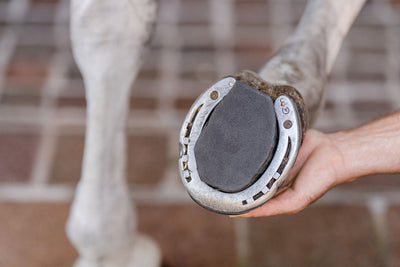
If an object such as a nail is embedded in a hoof, do not pull it out before speaking with the vet. The object may help show the path of penetration, and removing it without guidance can make assessment harder. Keep the horse quiet and prevent unnecessary movement while help is arranged.
For a wound, your immediate job is usually observation, gentle protection and communication. Do not scrub aggressively, pack a deep wound with unapproved material or assume that a small-looking puncture is harmless. Wounds near important structures can be more serious than they appear.
Eye injuries deserve particular caution. Stop the horse rubbing the eye if it is safe to do so, contact the veterinarian and avoid putting products into the eye unless specifically instructed. A first aid kit should make you faster at getting help — not more confident about diagnosing the problem yourself.
How can you use first aid products without overstepping?
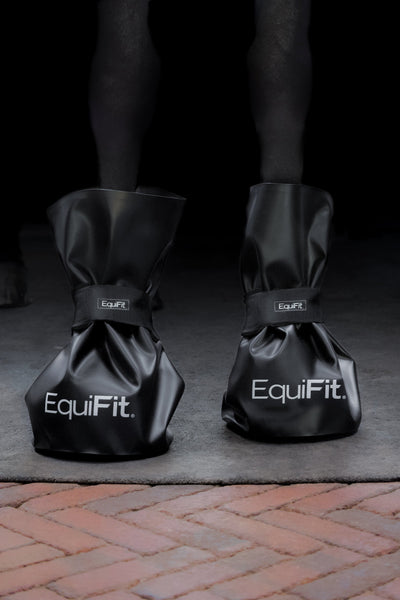
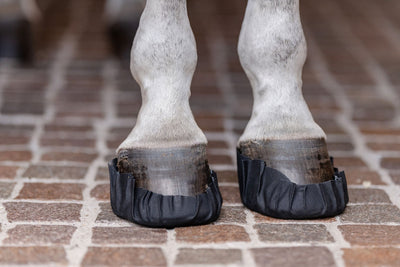
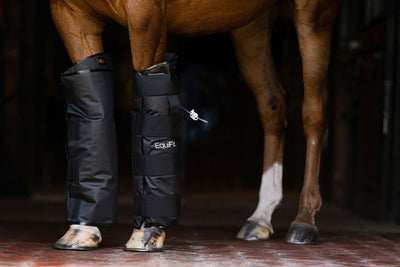
Products sold for recovery or therapy are not automatically first aid products, and no boot, poultice or wrap should be described as a cure. For example, iRide EQ's horse boots and accessories can be useful equipment for everyday management, while items such as the EquiFit EASYICE or ICEAIR Cold Therapy Boot should be used only in a way that fits your veterinarian's advice.
The live equine therapy collection includes products such as the Value Plus First Aid Kit, stainless steel bandage scissors, ValuWRAP Paw Print, Equitex Medicated Poultice Dressing, EquiFit EASYICE and Majyk Equipe cooling boots. Product availability and AUD pricing change, so check the individual listing before relying on an item for a trip.
For everyday prevention, keep the kit near your grooming essentials but not mixed into them. Grooming time helps you spot heat, swelling, cuts, ticks and changes in behaviour. It should not become an excuse to treat a worrying sign at home instead of calling the vet.

How often should you check and replace the kit?
Do a quick check before every lesson away from home and a full audit once a month. Replace used dressings immediately, recharge the torch and phone power bank, and confirm the vet's number still reaches the right clinic. Check that the thermometer works, scissors are clean and cohesive wraps have not fused together in storage.
Keep a duplicate travel kit if you regularly compete. Put a copy of the emergency checklist in the float, in the stable office and in the phone of anyone responsible for the horse. If you use horse rugs and accessories or stable storage tubs to organise gear, keep first aid clearly labelled so it is not buried under seasonal equipment.
Finally, learn where the nearest equine hospital or after-hours practice is before you need it. In regional areas, travel time can be significant. The kit cannot remove that risk, but preparation can reduce the delay.
Frequently Asked Questions
Does Equestrian Australia require every rider to carry a specific first aid kit?
Do not assume there is one universal kit requirement for every rider or yard. Check the rules and requirements that apply to your event, venue and state, while maintaining a practical personal kit.
What is the most important item in an equine first aid kit?
There is no single best item, but clean dressings, cohesive bandage, gloves, scissors and reliable veterinary contact details are useful starting points.
Should I keep medication in my horse first aid kit?
Only keep and use medication under direct veterinary instruction. Do not give or inject medication based on general internet advice or another horse's treatment plan.
Can I treat a puncture wound at home?
Contact your veterinarian urgently for punctures, especially those involving a hoof, joint, tendon sheath, eye, chest or abdomen. Do not remove an embedded object before speaking with the vet.
What should I do if my horse shows signs of colic?
Call your veterinarian promptly, describe the signs and follow their instructions. Persistent or severe pain, repeated rolling, reduced manure or abnormal appetite should not be managed as a casual first aid problem.
How should I store a first aid kit in Australia?
Keep it dry, shaded, clearly labelled and easy to reach. Heat can damage or degrade some supplies, so avoid leaving the kit in direct sun or a hot vehicle.
Are cold therapy boots part of first aid?
They are therapy or recovery equipment, not a universal first aid requirement. Use them only when appropriate and according to veterinary guidance for the individual horse.
Build a more practical horse care kit
Review the horse health, equine therapy and stable equipment collections, then confirm any treatment decisions with your veterinarian.
Shop Equine Therapy EssentialsThis article is general information only and is not veterinary advice. Contact your veterinarian for advice about your horse or an emergency.