Quick answer: The best riding gloves in Australia balance grip, feel, and durability for your discipline. Leather show gloves give the best rein feel for dressage and competition, while synthetic and mesh options suit everyday training and hot Australian conditions. Look for brands like Kunkle, Struck Apparel, and Sixteen Cypress — all stocked at iRide EQ.
The rider's take: I lost count of how many cheap gloves I went through before I invested in a proper pair. The ones from the local produce store would last maybe a month before the rein rub wore through the pinky finger. Then I tried Kunkle show gloves — same pair lasted an entire competition season and still looked sharp enough for EA dressage. The lesson? Cheap gloves cost more in the long run because you're replacing them constantly. Buy one good pair for competition and one for training and you're set.

Quality riding gloves protect your hands and improve rein contact — a small investment with big returns.
Your hands are your primary communication tool with your horse. Every half-halt, every subtle rein aid, every moment of connection passes through your fingers. The right gloves give you grip and feel without restricting contact; the wrong pair leaves you gripping harder to compensate, which tenses your arm and blocks your horse's mouth.
Whether you're schooling five days a week, heading to your first EA competition, or dealing with a hot Queensland summer where sweaty palms make reins slippery, this guide covers what actually matters when choosing riding gloves in Australia.
Why Riding Gloves Actually Matter
It's tempting to skip gloves for a quick training ride. Most experienced riders don't. Here's why:
- Grip: Sweat, rain, and leather reins are a slippery combination. Gloves with silicone or suede grip panels give you secure contact without death-gripping your reins.
- Protection: Reins cause blisters and calluses over time. A well-fitted glove protects the skin on your ring and little fingers where rein pressure concentrates.
- Feel: A thin, well-fitted glove can actually improve feel — the consistent contact surface removes the variable of sweaty or cold bare skin.
- Temperature: In Australian winters, cold fingers mean stiff, unresponsive hands. Gloves keep your hands warm and your aids fluid.
- EA compliance: Required for EA affiliated competition — white or neutral gloves for dressage, any colour for jumping.
The difference between a $20 pair and a $70 pair isn't just branding. It's in the seam placement (flat-lock vs raised), the leather quality, the stretch panels, and how well the glove holds its shape after 50 washes. I've tested both ends of the price range, and the expensive ones genuinely last longer.
Types of Riding Gloves
Show Gloves — Competition and Dressage
Show gloves are thin, close-fitting, and designed for maximum feel. They're what you wear in the dressage arena or show ring — white or neutral for EA dressage, brown or black for showing.
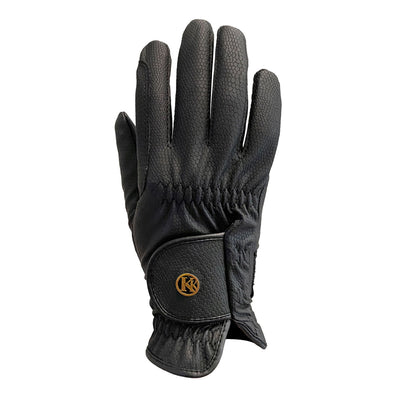
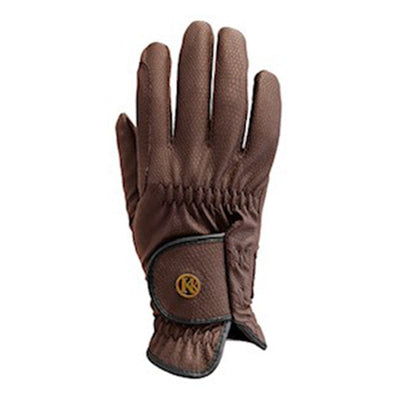
Kunkle Show Gloves are the standout here. Available in black, brown, white, and navy mesh — and in 15 sizes, which means you get a proper fit rather than the usual S/M/L compromise. The Kunkle gloves are the ones I reach for on competition day. They look sharp, the grip is consistent, and they hold up wash after wash. Available through our gloves collection.
Sixteen Cypress Herringbone Gloves are the premium option. Made by Equidae, they come in black herringbone, brown herringbone, and an oat and cognac colourway that looks genuinely beautiful in the show ring. These are for riders who care about the details — the herringbone texture gives a subtle grip without looking techy. If you're doing serious showing or dressage and want gloves that look as good as they perform, these are the ones.
Training Gloves — Everyday Riding
Training gloves prioritise durability and breathability over looks. You'll be wearing these for hours at a time, so comfort matters more than appearance.
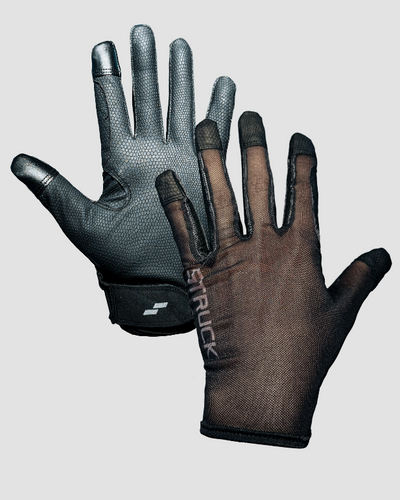
Struck Apparel Pro Ride Glove is a solid everyday training option. Canadian-made, technical fabric, and they breathe well in Australian heat. Struck also makes the Aero Veil Glove — a lighter, more breathable version for hot weather training. Pair them with a good base layer and you're set for a summer schooling session.
Lady Godiva Pro Rider Comfort Gloves are designed for long days in the saddle. The padding is strategically placed where rein pressure builds up, and they're comfortable enough for a full day at a competition without your hands cramping.
Kids' Gloves
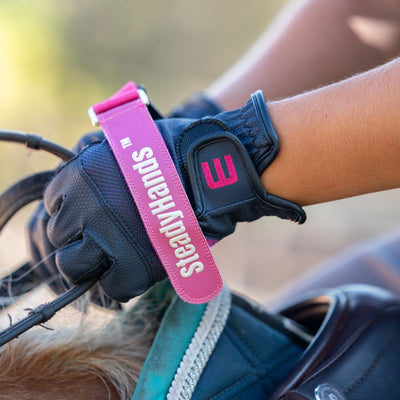
The Equisk Junior SteadyHands Riding Gloves are designed specifically for young riders. Equisk makes quality kids' gear, and these gloves are a good starting point for children who are beginning to understand rein contact. Not a competition glove, but perfect for lessons and training.

Proper glove fit is essential for maintaining consistent rein contact during competition.
How to Choose the Right Fit
Glove fit is critical. Too loose and the fabric bunches between your fingers and the reins — you lose feel and grip. Too tight and your hands cramp after 20 minutes. Here's how to get it right:
- Measure your hand: Wrap a tape measure around your dominant hand at the knuckles. That measurement in inches is your glove size.
- Check the fingers: The glove should reach the base of your fingernails with no excess material at the tips. If there's a gap, the glove is too big.
- Test the grip: Make a fist. The fabric shouldn't pull or restrict across the knuckles.
- Between sizes? Size down for leather (it stretches), size up for synthetic (it doesn't).
One thing I'd flag: European brands tend to run smaller than Australian expectations. If you're a medium in most things, you might need a large in Kunkle or Sixteen Cypress. Check the size guide on each product page before ordering.
Competition Requirements — What EA Says
For EA-affiliated dressage, gloves are mandatory. White, cream, or light-coloured gloves are the standard — dark gloves are rarely seen in the dressage arena. For showing and hunter classes, brown or black gloves are common.
For jumping, gloves are recommended but not mandatory, and there's no colour restriction. Most serious show jumping riders wear them anyway — the grip advantage is real, especially in wet conditions.
If you're putting together a full competition kit, don't forget your show jacket, helmet, and show shirt — gloves are just one piece of the puzzle.
Frequently Asked Questions
Do I have to wear gloves for EA dressage competitions?
Yes. EA rules require gloves for dressage at all affiliated levels. White, cream, or light-coloured gloves are the standard. Dark gloves are rarely seen and may be frowned upon by judges. If you're competing, invest in a proper pair of white show gloves.
What are the best gloves for hot Australian weather?
Look for mesh or ventilated synthetic gloves. The Kunkle Navy Mesh gloves are specifically designed for breathability, and the Struck Apparel Aero Veil Glove is another good option for hot conditions. Avoid thick leather gloves for summer training — they'll make your hands sweat more than they need to.
How long should a good pair of riding gloves last?
A quality pair of riding gloves should last 1-2 competition seasons with regular use, or 6-12 months of daily training. The rein rub area on the pinky finger is usually the first to wear. Kunkle show gloves tend to last longer than cheaper alternatives because the leather quality is higher.
Should I buy separate gloves for competition and training?
Yes, ideally. Competition gloves (white show gloves) should stay clean and sharp for the show ring — using them for training means they'll wear out and look tired. Get a durable training pair for everyday schooling and a dedicated pair of show gloves for competition.
What size riding gloves do I need?
Measure your dominant hand around the knuckles in inches — that's your glove size. European brands like Kunkle and Sixteen Cypress may run smaller than Australian expectations, so if you're between sizes, check the specific size guide on the product page. For leather gloves, size down (they stretch); for synthetic, size up (they don't).
Can I machine wash riding gloves?
Most synthetic and mesh gloves can be machine washed on a gentle cycle in cold water, then air dried. Leather gloves should be hand-washed with a leather-safe cleaner and conditioned occasionally to prevent cracking. Never tumble dry — the heat damages the grip material and warps the shape.
What's the difference between show gloves and training gloves?
Show gloves are thin, close-fitting, and designed for maximum rein feel — they're for competition where precision matters. Training gloves are thicker, more durable, and often have additional padding or grip for long hours in the saddle. Show gloves in white or cream are standard for dressage; training gloves come in any colour.
Shop Riding Gloves at iRide EQ
Show and training gloves from Kunkle, Struck Apparel, Sixteen Cypress, Lady Godiva, and Equisk. Free shipping over $249 Australia-wide.
Browse Riding Gloves →