Quick answer: An ear bonnet (also called a fly veil) protects your horse's ears from flies, dust, and loud noise during riding and competition. In Australia, they are permitted in EA dressage (from Preliminary upward) and most jumping classes, though soundproof bonnets with ear plugs face stricter rules. Choose based on your discipline, your horse's sensitivity, and the Australian climate.
The rider's take: I used to think ear bonnets were just for dressage riders who wanted to look fancy. Then I had a mare who'd spook at every rustling tree and clapping spectator on a 40-degree Sydney afternoon. A simple ear bonnet with sound-dampening lining took her from unrideable at shows to genuinely focused. The flies alone would have been reason enough in summer — they get relentless and horses will toss their heads constantly without protection.
For Australian riders dealing with harsh sun, persistent insects, and competition environments full of distractions, ear bonnets serve a genuine practical purpose beyond looking smart. They shield sensitive ears from biting flies, reduce wind-borne dust irritation, and can muffle the sharp noises that set off nervous horses. Whether you compete in dressage or jumping, or just hack out on trails where insects swarm, the right ear bonnet makes a measurable difference to your horse's comfort and focus.
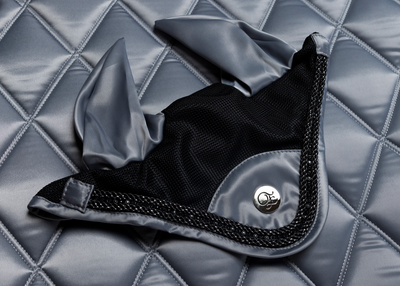
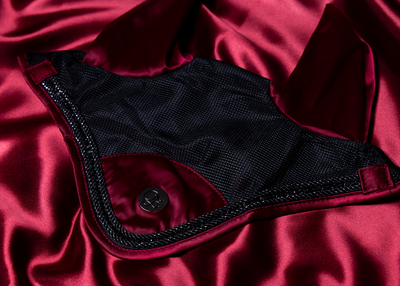
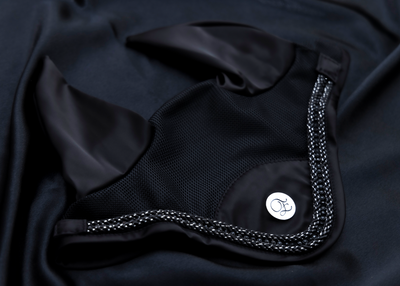
The range at iRide EQ runs from basic cotton crochet bonnets under $15 to premium soundproof designs with crystal detailing. Brands like Eloquence Equestrian, Lady Godiva Equestrian, Freejump, Equifit, and Sixteen Cypress all offer distinct takes on the classic design. The trick is matching the bonnet to your horse's needs — not just your colour scheme.

A well-fitted ear bonnet sits snug over the poll without pinching the ears.
What Does an Ear Bonnet Actually Do?
The basic function is straightforward: cover the horse's ears to block insects, dust, and debris. In the Australian summer, march flies and bush flies are relentless — a horse constantly shaking its head to dislodge them is distracted, uncomfortable, and in some cases dangerous if you're jumping or doing lateral work.
Beyond insect protection, ear bonnets serve two other purposes that matter more than most riders realise:
- Noise reduction: Standard knitted bonnets take the edge off sharp sounds — clapping, PA systems, traffic. Soundproof bonnets with foam or fleece lining go further, muffling the environment for horses that are genuinely noise-sensitive.
- UV protection: Horses with pink or pale-skinned ears are prone to sunburn in the Australian climate. A bonnet provides a physical barrier, which is kinder than relying on sunscreen that sweats off in an hour.
- Focus: A quieter horse is a more rideable horse. If you've ever competed at a show where the loudspeaker crackles every two minutes, you know how much a noise-spooky horse struggles.
The one thing I'd push back on: don't expect a bonnet to fix a training gap. If your horse is genuinely afraid of noise, a soundproof bonnet helps manage the symptom, but you still need to work on the root cause through desensitisation. I've seen riders slap a $120 bonnet on and wonder why their horse still spooks at the tractor next to the warm-up arena.
Types of Ear Bonnets — Which One Do You Need?
There are three main categories, and the price difference between them reflects the materials and construction, not just brand markup.
Standard Knitted Bonnets
The classic cotton or acrylic crochet bonnet. Breathable, washable, and cheap. The Lady Godiva Equestrian Classic Black Bonnet at $10 is the budget benchmark — you can buy five of them for the price of one soundproof model, and for most Australian riders hacking in summer, that's all you need. They keep flies off without trapping heat, which matters in our climate.
Lady Godiva also offers a range of colours from Classic Navy to Hot Pink to Royal Purple, so you can match your competition colours or just ride in something you like. At $10–$40, these are the bonnets I'd recommend stocking up on — they get grimy fast in the Australian dust, and you'll want spares.
Soundproof / Noise-Reducing Bonnets
These have foam or fleece padding inside the ear pockets, physically blocking sound waves. The Eloquence Equestrian 'The King' Black Jewel Soundproof Ear Bonnet ($119) is a good example — it combines the noise-dampening lining with crystal detailing for competition. Equifit's SilentFit range ($214.20) is at the premium end, using technical foam designed for maximum sound attenuation.
One thing nobody tells you about soundproof bonnets: they trap more heat. On a 38-degree day in Perth, your horse's ears are going to sweat under that foam. If you're competing in summer, consider a standard bonnet for warm-up and a soundproof one only for your test or round. Or look for designs with breathable mesh panels.
Crystal and Show Bonnets
The dressage show ring version — bonnets with Swarovski crystals, jewelled piping, or satin finishes. Eloquence Equestrian's 'The King' Black Jewel Ear Bonnet ($99) and 'The Prince' Navy Crystal Ear Bonnet sit in this category. Lady Godiva's Navy Crystal Bonnet ($60) offers a more affordable crystal option.
These are competition-only for most riders. The crystals catch the light and look striking under the judge's gaze, but they add weight and reduce breathability. I wouldn't school in one — save it for when it counts.

Ear bonnets sit under the bridle crownpiece, covering the ears without interfering with fit.
EA Rules — What's Actually Allowed?
This is where I see riders get caught out. The rules differ between disciplines and levels, and they change. Here's what I've verified against the current EA National Dressage Rules (January 2026):
- Dressage: Ear bonnets are permitted from Preliminary level upward. They must cover the ears only — no extensions down the cheeks or covering the eyes. Soundproof ear bonnets are allowed, but ear plugs that go inside the ear are not permitted in EA dressage.
- Jumping: Ear bonnets are permitted in EA jumping competitions. The rules are more relaxed than dressage — colour and style are less regulated.
- Eventing: Permitted in the dressage and show jumping phases. Cross-country rules vary, so check the event schedule.
- General: The bonnet must not interfere with the bridle or cause the horse any discomfort. If a steward thinks it's causing a problem, they'll ask you to remove it.
One mistake I made early on: I bought a soundproof bonnet with integrated ear plugs for a dressage competition, only to find out the ear plug component wasn't permitted. The soundproof bonnet itself was fine — it was the insertable plugs that crossed the line. Read your event schedule carefully, and if you're unsure, ask the steward before you warm up.
Materials and Fit — Getting It Right
The material determines breathability, durability, and how the bonnet sits under the bridle. Here's what you'll find in the iRide EQ range:
| Material | Best For | Brands | Price Range (AUD) |
|---|---|---|---|
| Cotton crochet | Everyday riding, summer, budget | Lady Godiva | $10–$40 |
| Technical knit with soundproof lining | Competition, noise-sensitive horses | Eloquence, Equifit, Freejump | $99–$214 |
| Crystal/jewelled | Dressage competition, show ring | Eloquence, Lady Godiva | $60–$119 |
| Premium leather-trimmed | High-end competition, dressage | Sixteen Cypress | $145 |
Fit is the part most riders get wrong. The bonnet should:
- Cover both ears completely — the ear should sit inside the pocket, not poking out the top
- Fit snug without pinching — you should be able to slide a finger between the bonnet and the ear
- Not interfere with the bridle — the crownpiece should sit over the bonnet, not push it forward
- Stay in place during movement — a bonnet that slides around is distracting for both horse and rider
The Freejump Horse Bonnet ($120) uses a contoured design that stays put better than most flat-knit bonnets I've tried. The Sixteen Cypress Black & Cognac Ear Bonnet ($145) has a slightly stiffer construction that holds its shape over time — useful if you compete frequently and don't want to reshape a floppy bonnet before every test.

Caring for Your Ear Bonnets
Ear bonnets are low maintenance, but they do get sweaty and dusty quickly. A few practical tips from years of washing them:
- Hand wash in cool water with a mild detergent. Machine washing stretches the knit and damages crystals if you have them.
- Air dry only — never the dryer. Heat shrinks the cotton and warps the foam in soundproof bonnets.
- Rotate two or three bonnets if you ride daily. Letting one dry fully while you use another extends their lifespan.
- Check the elastic — the band that wraps under the jaw loses stretch over time. When it goes, the bonnet slides and you'll be adjusting it every two minutes in the saddle.
If you're spending $100+ on a crystal or soundproof bonnet, a gentle wash after every few rides will keep it looking good for years. The cheap $10 cotton ones? Toss them in the wash and if they stretch out of shape, replace them — at that price, they're disposable.
Do You Actually Need One?
Honestly, not every horse needs an ear bonnet. If your horse is relaxed in traffic, doesn't mind flies, and competes without issue, a bonnet is decoration. But for the majority of Australian horses who deal with:
- Heavy insect pressure in summer (most of the country, October to March)
- Competition environments with PA systems and crowd noise
- Pale-skinned ears prone to sunburn
- Sensitivity to wind or dust on trails
...then a bonnet is one of the cheapest comfort investments you can make. A $10 cotton bonnet solves the fly problem. A $120 soundproof bonnet solves the noise problem. The question isn't whether you need one — it's which level of protection matches your horse and your riding.
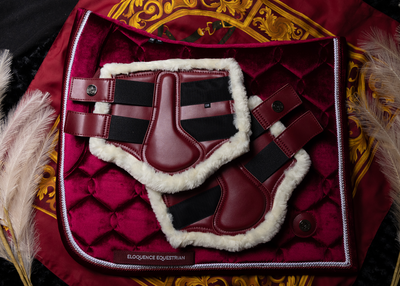
If you're also dealing with insects on your horse's legs, pair the bonnet with horse boots that include insect protection, or look at the full ear bonnet range at iRide EQ for options matched to your discipline and budget.
Frequently Asked Questions
Are ear bonnets allowed in EA dressage competitions?
Yes, ear bonnets are permitted from Preliminary level upward in EA dressage. They must cover the ears only — no extensions down the cheeks or over the eyes. Soundproof bonnets (foam-lined) are allowed, but insertable ear plugs that go inside the ear are not permitted in EA dressage.
What is the difference between a standard and soundproof ear bonnet?
Standard bonnets are knitted cotton or acrylic that block insects and reduce some wind noise. Soundproof bonnets have foam or fleece padding inside the ear pockets that physically dampens sound waves. Soundproof bonnets cost more and trap more heat, but they make a real difference for noise-sensitive horses.
How do I know what size ear bonnet to buy?
Most ear bonnets come in one size that fits the majority of horses, as the knit has natural stretch. For ponies or horses with very small ears, look for pony-specific sizing. The bonnet should cover both ears completely without pinching — you should be able to slide a finger between the bonnet and the ear.
Can I wash my ear bonnet in the washing machine?
Hand washing in cool water with mild detergent is recommended, especially for crystal or soundproof bonnets. Machine washing can stretch the knit, damage crystals, and warp foam padding. Air dry only — never use a dryer as heat shrinks cotton and damages foam.
Do ear bonnets help with sunburn on horses' ears?
Yes, ear bonnets provide a physical UV barrier for horses with pink or pale-skinned ears prone to sunburn. This is particularly relevant in the Australian climate where UV exposure is high. A simple cotton bonnet is more effective than sunscreen, which sweats off within an hour.
Will an ear bonnet stop my horse from spooking at noise?
A soundproof ear bonnet reduces noise reaching the ear, which can help a noise-sensitive horse stay calmer. However, it does not address the underlying training issue. If your horse is genuinely afraid of noise, combine the bonnet with a desensitisation program. The bonnet manages the symptom; training fixes the cause.
Are Freejump ear bonnets worth the price?
The Freejump Horse Bonnet ($120) uses a contoured design that stays in place better than flat-knit bonnets and is made from technical materials that last longer. For riders who compete regularly or who are tired of adjusting their bonnet every few minutes, the premium construction justifies the price. For occasional riders, a $10 Lady Godiva bonnet does the job.
Shop Ear Bonnets at iRide EQ
From $10 cotton classics to premium soundproof designs with crystal detailing, iRide EQ has the full range of ear bonnets for Australian riders. Free shipping on orders over $150, fast local delivery.
Shop Ear Bonnets