Quick answer: The Freejump Voronoi is a premium riding helmet built around a low-profile fit, airflow and added temple coverage. Virginia Tech's current equestrian helmet data gives it a 3-star rating, with a STAR score of 4.21 and a ranking of 16 out of 54 tested helmets. It is a serious option for riders who want a modern competition helmet, but fit, current certification and the rules of your event still matter more than the logo.
The rider's take: I first paid proper attention to the Voronoi after seeing one at a busy show warm-up, where the rider had kept it on through a humid afternoon without looking like she was wearing a black cooking pot. The side coverage is the detail that makes people look twice. My advice is simple: try it on with your hair as you would wear it at an EA-affiliated event, not with your hair loose in the shop.
A good riding helmet should disappear once it is fitted. No wobble, no pressure point above the ears, no urge to loosen the dial halfway through a test. The Freejump Voronoi takes a different visual route from the traditional velvet-look helmet, with a technical shell, broad ventilation and a distinctive approach to temple protection.
That makes it appealing to riders who want one helmet for training, jumping and competition. It also creates a few questions. Is it legal for your class? Which version are you actually buying? Does the Virginia Tech rating tell you everything you need to know? And is the price sensible for the way you ride in Australia?
Here is the practical answer. The Voronoi is interesting because its design decisions are visible and purposeful, not because a marketing phrase promises magic protection. Treat it as one part of a safety system that includes correct fit, replacement after a significant fall, sensible riding and checking the current rules before show day.

Helmet fit and standards come before colour, finish or brand preference.
What makes the Freejump Voronoi different?
Freejump describes the Voronoi as a helmet with temporal protection, referring to the temple area at the sides of the head. The design includes removable side elements on some versions, so riders should confirm exactly what is included with the model they are considering. That is a useful distinction: the helmet is not simply a conventional shell with a new badge placed on it.
The shape is low-profile and athletic. Large front and rear vents are intended to move air through the helmet, which matters in an Australian summer when a lesson in the arena can turn sweaty before you have finished your warm-up. The outside is deliberately modern rather than faux-traditional. That will look sharp with a technical show jacket, though riders who prefer a classic competition appearance may need a little time to get used to it.
Freejump's official helmet information lists EN 1384:2023 and ASTM F1163-23 certification for its current helmet range. Always check the label inside the exact helmet you purchase, along with the current EA and event requirements. Standards and permitted equipment can change, and a retailer description is not a substitute for the rulebook.
Carbon, ABS and the model name matter
Do not assume every Voronoi listing describes the same construction. Freejump has used names including Voronoï Carbon and ABS versions across its range. Shell material, finish, ventilation and included temple components can differ. If you are comparing prices, compare the exact model, size, colour and certification label rather than assuming the cheapest listing is simply a sale version of the same helmet.
What the Virginia Tech rating actually tells you
Virginia Tech's STAR testing is useful because it gives riders an independent point of comparison based on impact testing. The current published data gives the Freejump Voronoi a 3-star rating. Its STAR value is 4.21, and it sits at number 16 of 54 tested equestrian helmets in that dataset.
That is worth paying attention to, but it is not a guarantee that a rider will avoid injury. Helmet tests are controlled laboratory tests. Real falls involve different speeds, surfaces, angles, horse movement and the condition of the helmet. A three-star result is not the same thing as a promise of concussion prevention, and it should never be turned into “the safest helmet” copy.
- Use the rating as one data point: it helps compare tested helmets under the same protocol.
- Check the label: make sure the helmet in your hands carries the standards required for your discipline and event.
- Prioritise fit: a highly rated helmet that rocks, lifts or presses painfully is not a good fit for you.
- Replace after impact: damage is not always visible, even when the shell looks fine.

A competition helmet has to work with the rest of your show-day kit, not just look good on a shelf.
Fit, sizing and the mistakes riders make
Fit is the part I would spend the most time on. Start with a soft tape measure around the widest part of your head, just above the eyebrows and around the back. Use that measurement as a starting point, not as permission to order blindly. Head shapes vary, and two riders with the same circumference can need very different internal shapes.
The helmet should sit level, with the front neither tipped back nor pulled down over your eyebrows. The harness should meet below the ears without cutting into them. Once fastened, the helmet should stay stable when you nod, shake your head and open your mouth. It should feel secure without creating a sharp pressure spot after ten minutes.
Try it with your real riding hair. A low ponytail, a bun, a plait and loose hair all change how a helmet sits. I have seen riders fit a helmet perfectly in a shop, then discover at a show that their bun pushes the back upward. That is not the helmet failing; it is a fitting test that was never completed.
Australian heat and daily use
Ventilation is a genuine advantage for riders training through a Queensland summer or a hot Sydney afternoon. It does not mean the helmet will feel cool in every situation. Clean the lining according to the manufacturer's instructions, let the helmet dry naturally, and do not leave it baking in the float or the back of the car. Heat, sweat and rough storage are hard on equipment.
Is the Voronoi suitable for competition?
It can be a strong competition choice if the exact helmet carries the standard your event accepts and it fits correctly. That “if” is doing real work. EA rules, discipline rules and individual event schedules are not interchangeable, so check before the morning of the class. A helmet that looks competition-ready is not automatically accepted everywhere.
Pair the technical look with clean, conservative pieces if you want the outfit to read as polished rather than overly futuristic. Our competition wear collection can help build the rest of the outfit, while show jackets and show shirts give you more control over the final presentation. The helmet remains the safety item; it does not need to match every detail of your jacket.
For jumping riders, the airflow and low profile may be especially appealing during a long day with several rounds. Dressage riders may prefer to check the silhouette from the side with their show jacket before committing. There is no rule that says a modern helmet cannot look smart. There is a rule that says you should know what your event allows.
Who should buy it — and who should skip it?
The Voronoi makes sense for a rider who wants a premium helmet with a technical appearance, values airflow and is willing to spend time getting the fit right. It is also a good conversation starter for riders who are interested in temple coverage and independent test data rather than choosing purely on colour.
I would hesitate if the budget is tight, if you cannot try the helmet on, or if you are shopping mainly because the shape looks fast in photographs. A less expensive helmet that fits you properly is the better purchase. The one thing I do not love about premium helmets is how easy it is to mistake price for certainty. It is not certainty. It is a piece of equipment that still needs checking, care and replacement.
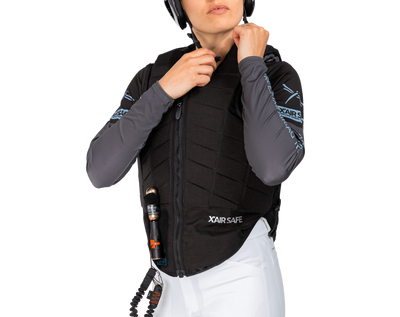
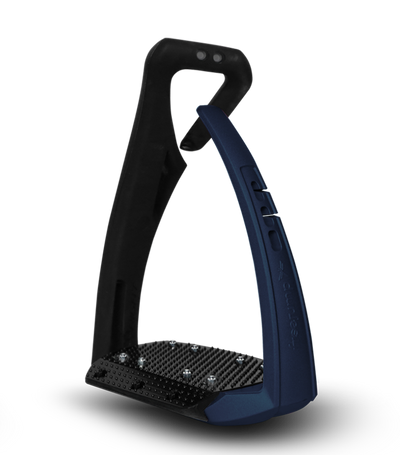
Also remember the rest of your safety setup. Correct stirrups may support foot release, while an appropriate body protector or airbag may be relevant to your discipline and risk profile. Those products do not make the helmet safer, and the helmet does not make them unnecessary. Each item has a job.

Freejump Voronoi buying checklist
- Measure first: record your head circumference and confirm the manufacturer's sizing chart.
- Try it with your show hairstyle: especially if you ride with a bun or thick plait.
- Read the label: confirm the exact model's standards before entering an EA-affiliated event.
- Check the temple components: confirm whether removable protection is included with your version.
- Inspect the return policy: do not remove tags or ride in the helmet until the fit is settled.
- Plan replacement: replace after a significant impact and follow the manufacturer's care guidance.
Frequently Asked Questions
What Virginia Tech rating does the Freejump Voronoi have?
The current Virginia Tech equestrian helmet data gives the Freejump Voronoi a 3-star rating, with a STAR value of 4.21 and a ranking of 16 out of 54 tested helmets.
Is the Freejump Voronoi certified for Australian competition?
Check the certification label on the exact helmet and the current EA and event rules. Freejump's current helmet information lists EN 1384:2023 and ASTM F1163-23, but acceptance should be confirmed for your class and discipline.
Does the Voronoi prevent concussions?
No helmet can guarantee that a rider will avoid concussion or injury. The Voronoi's design and test results can be considered as part of a buying decision, alongside fit, riding conditions and correct replacement.
How should the Freejump Voronoi fit?
It should sit level and stable, with the harness below the ears and no painful pressure points. Test it with your normal riding hairstyle and move your head before deciding on the size.
Is the Voronoi suitable for hot Australian weather?
The helmet has a ventilated technical design, which may be useful during warm training and competition days. Good care still matters: dry it naturally and avoid leaving it in a hot car or float.
Should I buy the Carbon or ABS version?
Compare the exact model's shell construction, fit, certification, included components and price. Do not assume the names describe identical helmets or that the more expensive version will suit your head better.
When should I replace an equestrian helmet?
Replace it after a significant impact, even if there is no visible damage. Follow the manufacturer's care and replacement guidance, and inspect the helmet regularly for wear.
Shop Freejump riding gear at iRide EQ
Explore the Freejump collection, browse riding helmets, and check our competition wear before your next training day or show.
Shop Freejump![Freejump Cartridge 60CC [Airbag] FREEJUMP](http://irideeq.com/cdn/shop/files/F02203_b70f8559-5c88-4eb1-8bd5-573f02e52322.jpg?v=1732493571&width=400)